Patchy hair loss is more than a cosmetic concern - it is your immune system needing attention. At Cleaura Clinic, Nagpur, Dr. Shruti Gunashekhar provides expert, compassionate care for alopecia areata with treatments that are backed by science and personalised for you.
Alopecia areata is an autoimmune condition where your own immune system mistakenly attacks healthy hair follicles, causing sudden patchy hair loss on the scalp, beard, eyebrows, eyelashes or body. It can affect anyone - children, women, men regardless of age.
The patches are typically smooth and coin-shaped, appearing without warning. For many people, it comes and goes. For others, it can progress and cause more extensive hair loss. The good news? With the right treatment and a specialist who understands this condition, regrowth is possible.
If you have noticed round bald patches on your scalp and do not know why - this page is for you.
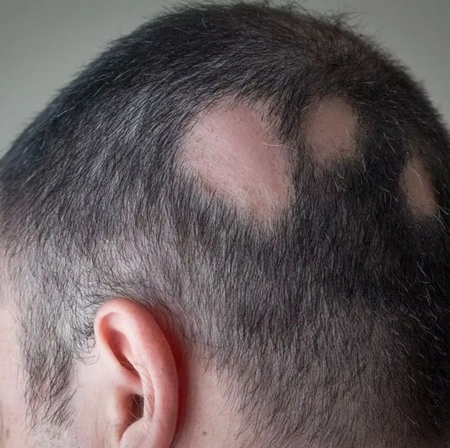
Important:Alopecia areata is not contagious. It is not caused by poor hygiene or stress alone. It is a medical condition that deserves proper treatment - not home remedies.
Most people discover patchy hair loss while combing or washing their hair.
Here is how to distinguish alopecia areata from other types of hair thinning or scalp conditions.
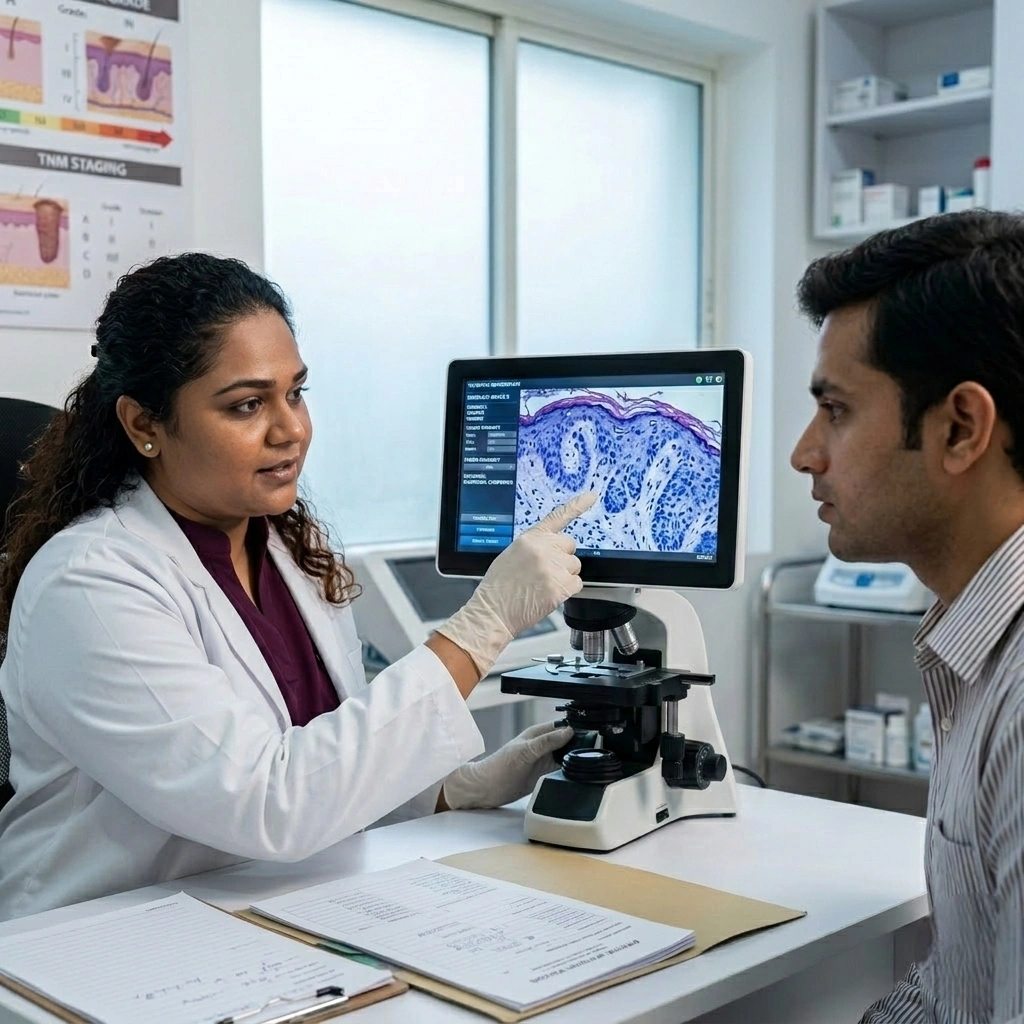
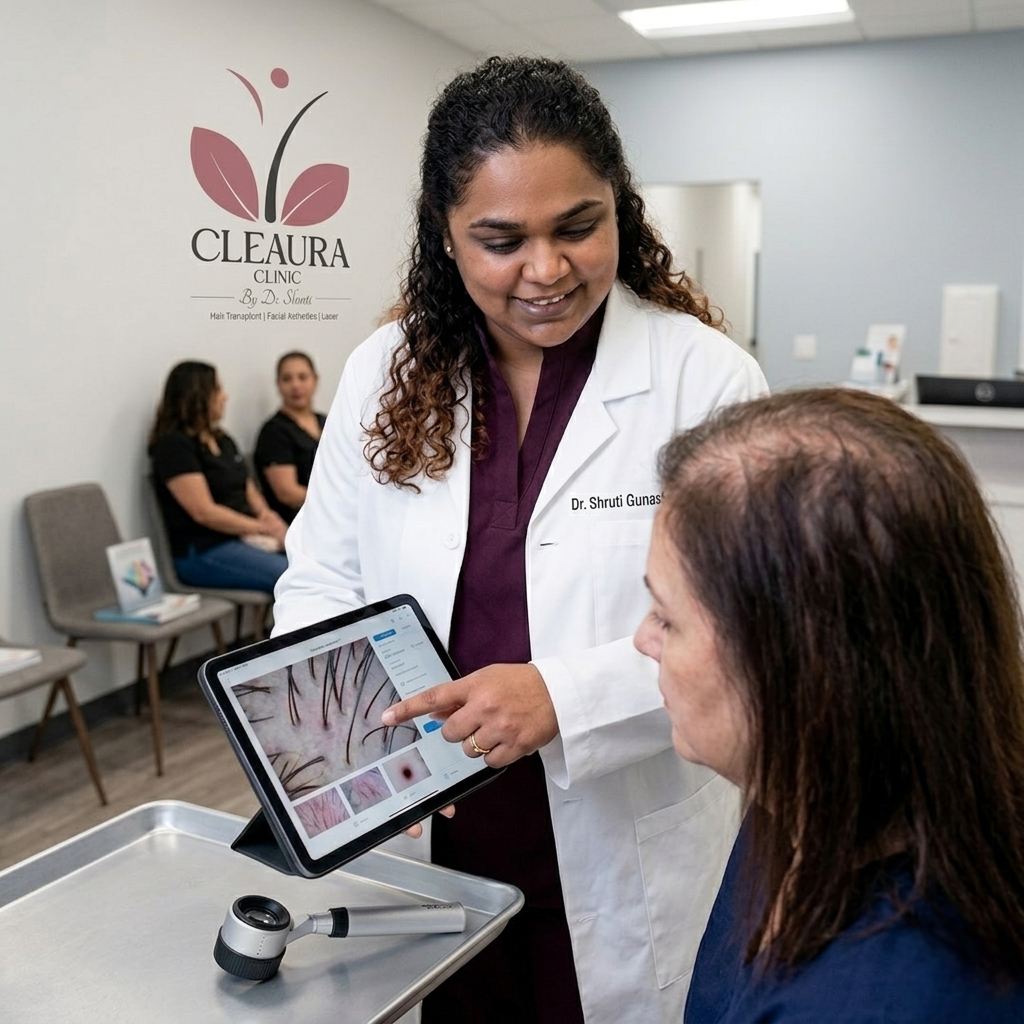
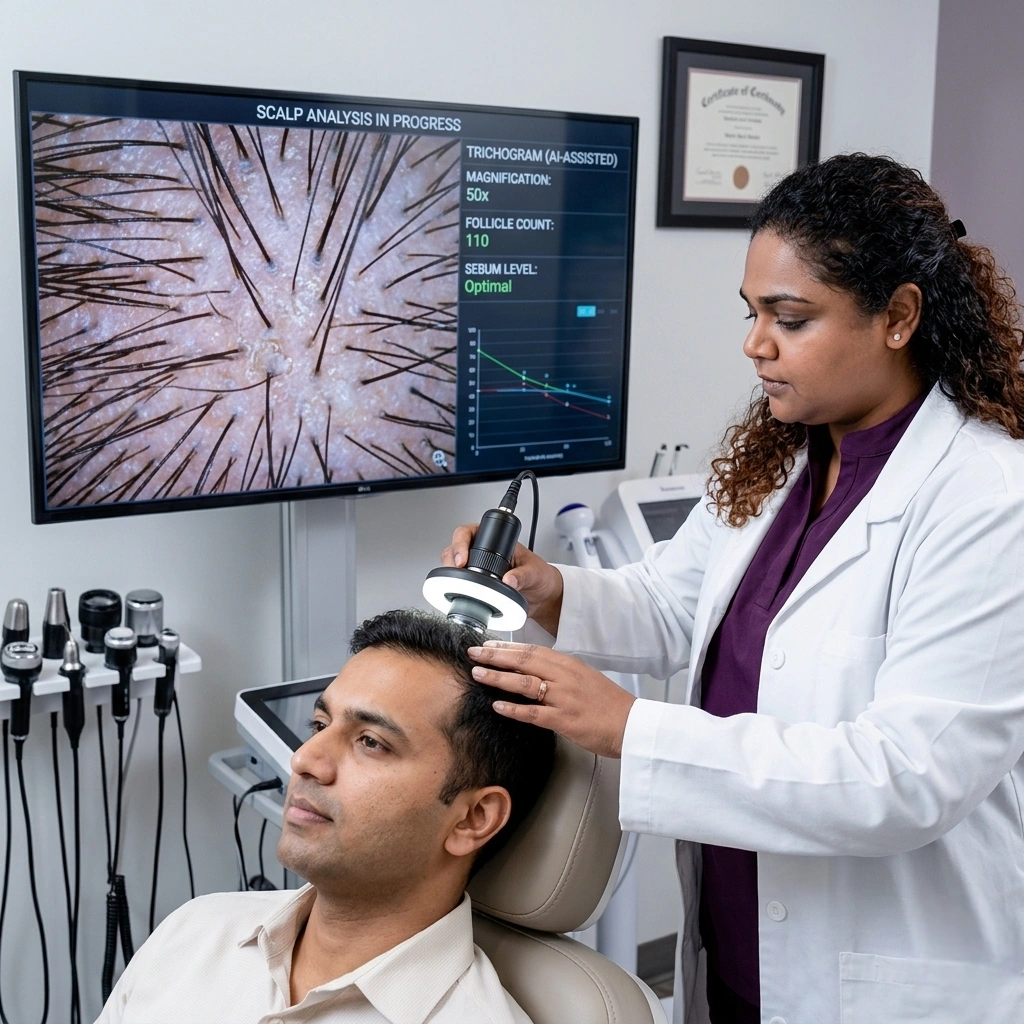
Not sure? Dr. Shruti at Cleaura Clinic, Nagpur performs a thorough scalp analysis and trichoscopy to confirm your diagnosis before any treatment begins.
Understanding the type you have helps determine the treatment path. Dr. Shruti at Cleaura Clinic treats all forms of alopecia areata.
The most common form. One or more smooth, round bald patches on the scalp or body. Hair often regrows within months with proper treatment.
Most CommonTotal loss of hair on the scalp. A more advanced form that requires aggressive and consistent treatment. Can be managed well with early intervention.
Specialist CareComplete hair loss across the entire body - scalp, eyebrows, eyelashes, beard, body hair. The most severe form. Rare but treatable with newer immunotherapy options.
Advanced - TreatablePatchy hair loss specifically in the beard area in men. Distressing and noticeable but responds well to targeted treatment.
Common in MenHair thins out all over the scalp rather than in one patch. Often misdiagnosed as androgenetic alopecia or telogen effluvium.
Often MisdiagnosedChildren can develop alopecia areata too. It can be emotionally challenging for both the child and parents. Dr. Shruti provides gentle, age-appropriate treatment and parental guidance..
We Treat Children TooAlopecia areata in women is more common than most people realise and more frequently misdiagnosed. Because women are less expected to experience sudden patchy hair loss, it is often dismissed as stress-related shedding, postpartum hair fall, or female pattern hair loss — delaying the correct diagnosis and treatment by months or even years.
At Cleaura Clinic, Nagpur, Dr. Shruti has a special focus on diagnosing and treating alopecia areata in women across all life stages - from teenagers to post-menopausal women.
Hormonal Triggers - Hormonal shifts during pregnancy, postpartum recovery, PCOD/PCOS, thyroid disorders, and menopause can activate or worsen the autoimmune response that causes alopecia areata. Many women first notice patches within 3–6 months after delivery or after a thyroid diagnosis.
Diffuse Pattern Instead of Round Patches - Women with alopecia areata sometimes experience widespread thinning rather than the classic coin-shaped bald patch. This diffuse alopecia areata is routinely misidentified as female pattern hair loss (androgenetic alopecia) or telogen effluvium, and treated incorrectly for months.
Eyebrow and Eyelash Involvement - Women are more likely to notice and report eyebrow thinning or eyelash loss as the first sign of alopecia areata. Hair loss in these areas is not just cosmetic — it is a clinical indicator that the autoimmune process has spread beyond the scalp.
Higher Emotional and Psychological Impact - Hair loss affects women's self-image, confidence, and mental health significantly. Studies consistently show women with alopecia areata report higher rates of anxiety, social withdrawal, and depression than men with the same condition. At Cleaura Clinic, we treat the whole person — not just the patch.
Common misdiagnoses in women before reaching Cleaura Clinic:
Postpartum hair loss · Female pattern baldness · Telogen effluvium · Stress-related hair fall · Nutritional deficiency hair loss
Thyroid disorders - TSH, T3, T4 (Hashimoto's thyroiditis is closely linked to alopecia areata in women)
PCOD / hormonal imbalance - LH, FSH, testosterone, prolactin panel
Iron deficiency anaemia - serum ferritin, CBC (low ferritin is a major trigger in women)
Vitamin D deficiency - closely associated with autoimmune activity
ANA (Antinuclear Antibody) - to rule out related autoimmune conditions like lupus or rheumatoid arthritis
Trichoscopy - to visually distinguish alopecia areata from female pattern hair loss at follicle level
Are you a woman experiencing sudden patchy hair loss, eyebrow thinning or unexplained hair shedding?
Do not accept a generic "stress hair loss" diagnosis without a proper evaluation. Dr. Shruti will give you a clear, evidence-based diagnosis — and a plan that actually addresses the root cause.
Book Free Consultation →This is one of the most common questions Dr. Shruti receives from women at Cleaura Clinic. The answer depends on the severity and the treatment chosen. Intralesional corticosteroid injections are generally considered safe during pregnancy for localised patches when applied carefully and in limited doses. PRP therapy, which uses your own blood's growth factors, is a natural, drug-free option and is often the preferred choice during and after pregnancy. Oral medications including JAK inhibitors and systemic steroids require careful evaluation before use during pregnancy or breastfeeding. Dr. Shruti will always recommend the safest effective option for your specific stage and situation — never a blanket protocol.
Postpartum alopecia areata is different from normal postpartum hair shedding (telogen effluvium). Normal postpartum shedding typically peaks at 3–4 months after delivery and resolves on its own. Postpartum alopecia areata, by contrast, presents as distinct bald patches, often does not resolve without treatment, and may worsen without intervention. If you notice round bald patches — not just diffuse thinning — after delivery, a specialist consultation at Cleaura Clinic is strongly recommended rather than waiting it out.
Alopecia areata is an autoimmune condition - your immune system attacks your own hair follicles. Research points to a combination of these triggers.
Genetic Predisposition - Having a family history of alopecia areata, thyroid disease or other autoimmune disorders increases your risk. You do not have to have a family member with hair loss specifically - any autoimmune link matters.
Immune System Trigger – Something causes the immune system to lose tolerance to hair follicle cells. The follicle does not die - it goes into a dormant state. This is why regrowth is possible.
Associated Conditions – People with alopecia areata have a higher chance of also having thyroid disorders (especially Hashimoto's), vitiligo, type 1 diabetes, rheumatoid arthritis or eczema. At Cleaura Clinic, we always screen for these when diagnosing alopecia areata.
Emotional Stress – Stress alone does not cause alopecia areata, but it can act as a trigger or worsen existing patches. Chronic stress disrupts immune regulation.
Key fact: Alopecia areata does NOT mean your hair follicles are dead. The follicles are dormant - which is why treatment can and does work.
Dr. Shruti follows a structured, evidence-based approach before recommending any treatment plan.
Duration of hair loss, family history, associated health conditions, medications, stress levels, diet and thyroid history.
Close examination of the patch margins, hair shaft pattern and scalp surface using trichoscopy - a non-invasive tool that confirms alopecia areata and rules out other causes.
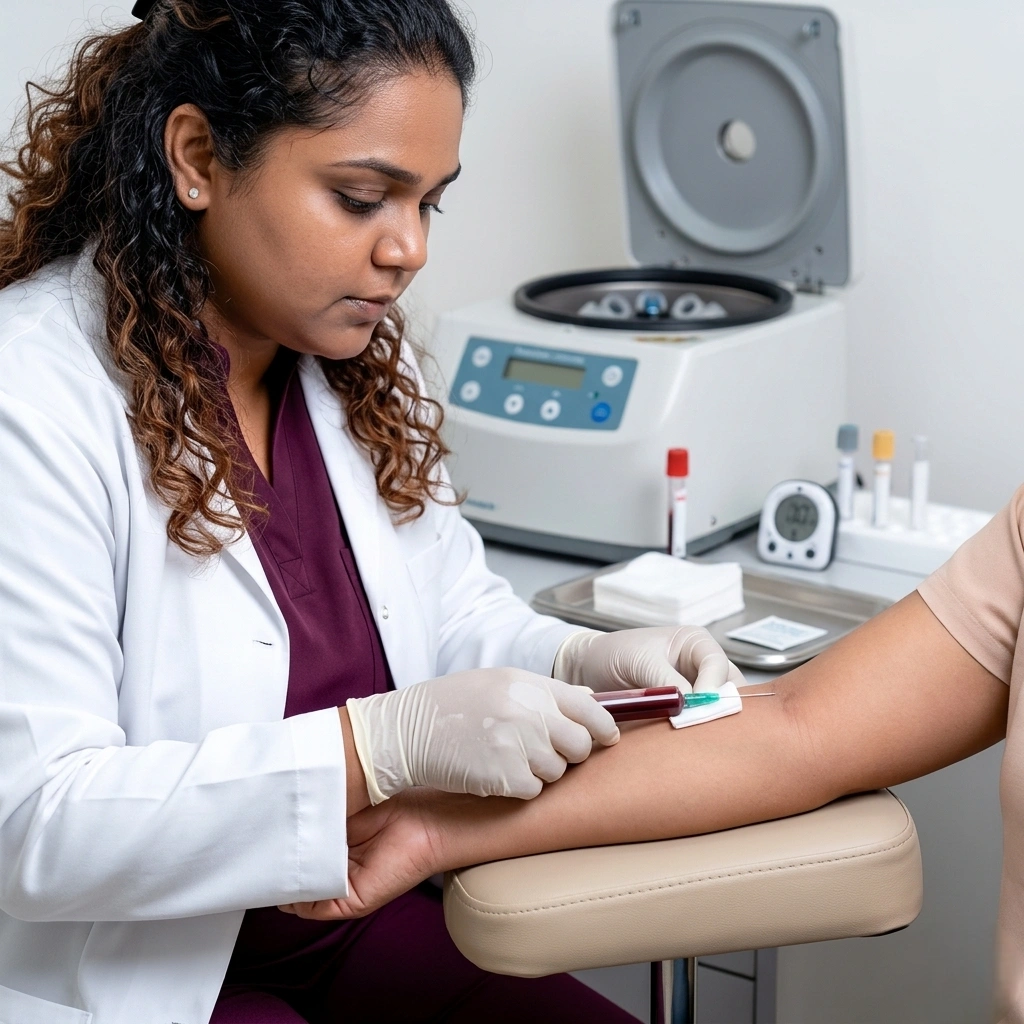
Thyroid function tests (TSH, T3, T4), ANA, CBC, ferritin, Vitamin D, B12 - to check for underlying autoimmune or nutritional triggers. Assessing how much of the scalp is involved and whether the condition is stable, progressive or relapsing helps decide the treatment protocol.
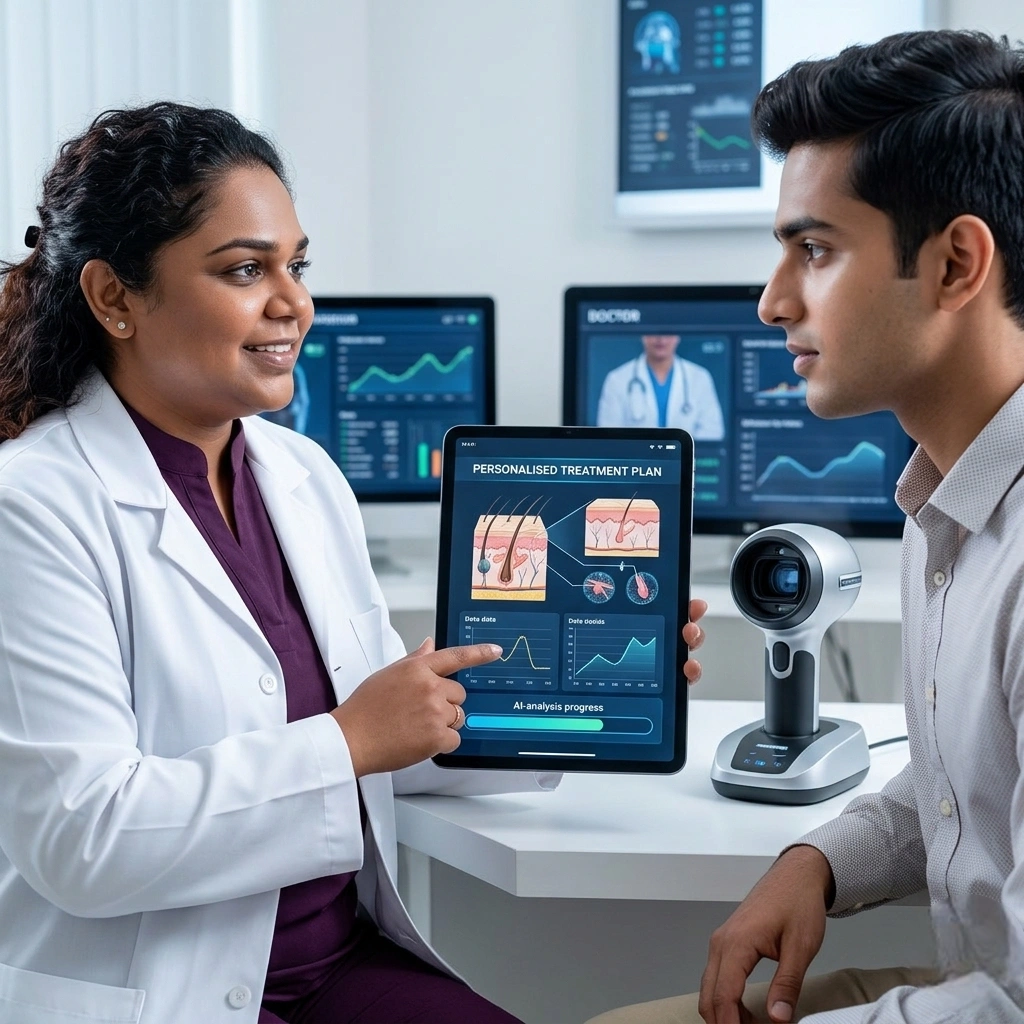
No generic protocols. Every patient at Cleaura Clinic receives a treatment plan tailored to their type, severity, age and lifestyle.
If you're searching for alopecia areata treatment in Nagpur, you're in the right place. Dr. Shruti at Cleaura Clinic offers a comprehensive, clinically proven treatment plan personalised to your condition, whether you're dealing with a single bald patch or advanced hair loss across the scalp.
Every treatment protocol at Cleaura is evidence-based, medically supervised, and tailored to your type and stage of alopecia areata.
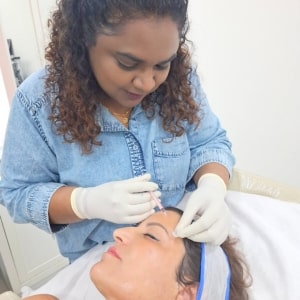
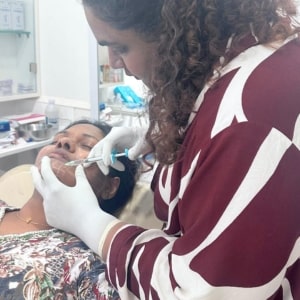
The most widely recommended and clinically proven treatment for patchy alopecia areata. Tiny steroid injections are administered directly into the bald patch, suppressing the localised immune attack and stimulating natural hair regrowth - with minimal discomfort.
Sessions every 4–6 weeks
Highly effective for limited patchy hair loss
No downtime required
Best for: Mild to moderate patchy alopecia areata
Platelet Rich Plasma (PRP) therapy uses concentrated growth factors from your own blood to reactivate dormant hair follicles and calm the autoimmune inflammation that causes alopecia areata. Increasingly recognised as both a powerful standalone and combination treatment for hair loss.
At Cleaura Clinic, PRP is combined with scalp microneedling for deeper follicle penetration and significantly enhanced results — giving you better outcomes than PRP alone.
Best for: Patchy alopecia areata, beard alopecia areata, early alopecia totalis
Learn more about PRP Hair Treatment in Nagpur →
GFC therapy is the next generation beyond PRP - a highly purified, more potent concentrate of growth factors prepared from your own blood. With greater purity and higher growth factor concentration than standard PRP, GFC delivers faster and more consistent results for alopecia areata patients.
Cleaura Clinic is among the very few clinics in Nagpur offering GFC therapy specifically for alopecia areata - making it one of the most advanced non-surgical hair loss treatments available in the city today.
Best for: Moderate alopecia areata, patients seeking faster regrowth, those who prefer a more potent regenerative option
For patients with large, stubborn, or treatment-resistant patches, topical immunotherapy using sensitising agents (DPCP or DNCB) is applied to the scalp to deliberately redirect the immune response - training the body to stop attacking its own hair follicles.
This is a specialist treatment used when conventional approaches have not delivered adequate results.
Best for: Extensive alopecia areata, treatment-resistant alopecia areata
Minoxidil — whether applied topically to the scalp or taken in low oral doses - helps stimulate and sustain hair regrowth, making it an important support treatment alongside other therapies. Dr. Shruti recommends the correct strength and formulation based on your age, hair type, and severity of alopecia.
Best for: Supporting and maintaining regrowth alongside primary treatments
For cases of rapidly progressing alopecia areata or alopecia totalis, a carefully monitored short course of systemic steroids can quickly halt the immune flare responsible for accelerated hair loss. Always prescribed for the shortest necessary duration under close medical supervision.
Best for: Rapidly spreading alopecia areata, alopecia totalis
JAK inhibitors (including baricitinib and ruxolitinib) represent one of the most significant recent breakthroughs in alopecia areata treatment. These oral medications work by blocking the precise immune pathway responsible for triggering hair follicle attacks - offering real hope for patients with severe or long-standing hair loss who haven't responded to other treatments.
Dr. Shruti will assess your case thoroughly to advise whether JAK inhibitor therapy is appropriate for you.
Best for: Severe, extensive, or treatment-resistant alopecia areata
A targeted blend of vitamins, minerals, amino acids and hair growth peptides is microinjected into the scalp to nourish follicles directly, improve scalp circulation, and create the optimal environment for regrowth. Used as a supportive treatment alongside your primary alopecia protocol.
Best for: Supporting overall follicle health, scalp nutrition, and treatment enhancement
Not sure which treatment is right for you?
Dr. Shruti will personally assess your condition and recommend the most effective, evidence-based plan - with no unnecessary procedures.
Starting alopecia areata treatment can feel overwhelming - especially when you don't know what lies ahead. At Cleaura Clinic, Nagpur, Dr. Shruti ensures every patient understands their journey from day one.
| Stage | Timeframe | What Happens | What You Can Expect |
|---|---|---|---|
| Consultation & Diagnosis | Week 1 | Dr. Shruti examines your scalp, reviews your medical history, recommends blood tests if needed, and creates your personalised treatment plan | You leave with complete clarity - what condition you have, why it occurred, and exactly how it will be treated |
| First Treatment Session | Weeks 2–6 | Active treatment begins - Intralesional Corticosteroid Injections, PRP, or GFC therapy depending on your plan | Procedures are well-tolerated by most patients. No hospitalisation. No downtime. Return to daily routine immediately |
| Early Signs of Regrowth | Months 1–3 | Fine, colourless vellus hairs begin appearing in treated areas - a clinically positive sign of follicle reactivation | Regular follow-up sessions continue to sustain and build on early progress |
| Visible Hair Regrowth | Months 3–6 | Terminal, pigmented hair starts to appear. Density visibly improves with each session | Most patients with mild to moderate alopecia areata see significant, noticeable results within this window |
| Maintenance & Monitoring | Beyond 6 Months | A personalised maintenance plan is created to reduce relapse risk. Dr. Shruti continues monitoring your scalp health long-term | Sustained results with periodic check-ins to catch any early signs of recurrence |
For limited patchy alopecia areata, 80–90% of patients see regrowth with treatment. In cases involving less than 50% scalp loss, outlook is generally good. Alopecia totalis and universalis carry a more guarded prognosis, though newer JAK inhibitor therapies have significantly improved outcomes even in these cases.
Alopecia areata is not a condition every hair clinic is equipped to handle well. It requires knowledge of autoimmune dermatology, not just hair transplant skills. Here is why patients from across Nagpur choose Cleaura Clinic.
Dr. Shruti Gunashekhar is a Singapore-trained hair surgeon and Canadian Board-Certified Aesthetic Physician with specific expertise in hair loss conditions including alopecia areata
Comprehensive diagnostics - Dr. Shruti investigates the autoimmune cause, not just the visible symptom
Full range of alopecia treatments including PRP, GFC, steroid injections, JAK inhibitor guidance and topical immunotherapy - under one roof
Honest, personalised approach - no pressure, no unnecessary treatments, no false promises
Emotional support and patient education - alopecia areata affects confidence and mental health, and we treat the whole person, not just the patch
Serving patients across Nagpur including Somalwada, Karve Nagar, Dharampeth, Dhantoli, Wardha Road and surrounding areas
Have more questions? Dr. Shruti Gunashekhar's team is available for a personalised consultation to address your specific concerns.
Alopecia areata is an autoimmune condition, which means there is currently no one-time permanent cure. However, it can be very effectively managed and sent into long-term remission with the right treatment. Many patients experience complete regrowth and remain patch-free for years. Early treatment significantly improves the long-term outcome.
In most cases of mild to moderate patchy alopecia areata, yes - hair does regrow, especially with treatment. The hair follicles are not destroyed, only dormant. With treatments like intralesional steroids, PRP or GFC, regrowth can begin within 6 to 12 weeks. Alopecia totalis and universalis have a more guarded prognosis but are still treatable.
Stress can trigger or worsen alopecia areata in genetically predisposed individuals, but it is not the sole cause. Alopecia areata is an autoimmune condition. Managing stress is a part of the treatment plan at Cleaura Clinic, but it is not the only approach.
The cost depends on the treatment type and number of sessions required. Intralesional steroid injections are among the most affordable options. PRP sessions for alopecia areata typically range from ₹4,000 to ₹8,000 per session. GFC ranges from ₹7,000 to ₹12,000. A personalised cost estimate is provided during your free consultation with Dr. Shruti.
Typically 4 to 6 sessions spaced 3 to 4 weeks apart are recommended as a primary course. This varies based on the extent of your alopecia, how your scalp responds and whether PRP is being combined with other treatments. Dr. Shruti reassesses response after each session.
Yes. Dr. Shruti has experience treating alopecia areata in children and adolescents. The treatment protocol is adapted for younger patients - gentler, age-appropriate approaches are prioritised. Parent counselling is also an important part of paediatric alopecia areata management.
No. Male pattern baldness (androgenetic alopecia) is a genetic condition caused by hormonal sensitivity. Alopecia areata is an autoimmune condition. They look different, have different causes and require completely different treatments. A proper diagnosis at Cleaura Clinic will confirm which condition you have.
In some cases, yes - patchy alopecia areata can progress to alopecia totalis (full scalp) or alopecia universalis (full body). However, this is not inevitable. Starting treatment early significantly reduces the chance of progression. If you have noticed a new bald patch, consult Dr. Shruti promptly.
Yes. Alopecia barbae (beard alopecia) is treated with the same core protocols - intralesional steroid injections, PRP and topical treatments. Many men with alopecia barbae see very good results. Dr. Shruti treats beard alopecia at Cleaura Clinic, Nagpur.
Yes, there is a recognised association. People with alopecia areata have a higher risk of thyroid autoimmune disease (particularly Hashimoto's thyroiditis). Dr. Shruti includes thyroid function tests in the diagnostic workup for all alopecia areata patients at Cleaura Clinic.
Patchy hair loss is not something to wait out or treat with home remedies. The earlier alopecia areata is diagnosed and treated, the better the outcome. Dr. Shruti Gunashekhar at Cleaura Clinic is one of Nagpur's most experienced hair specialists and will guide you with complete honesty and care.
Free consultation. No pressure. Just honest advice to help you make the right decision.