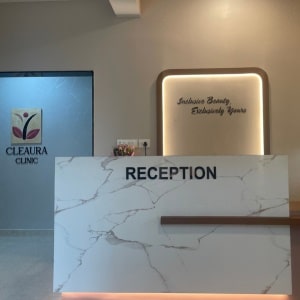
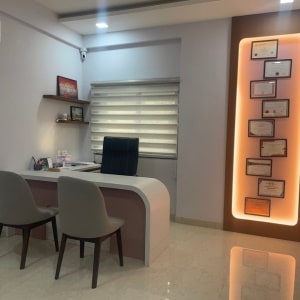
Cleaura Clinic, Nagpur

Pigmentation Treatment in Nagpur

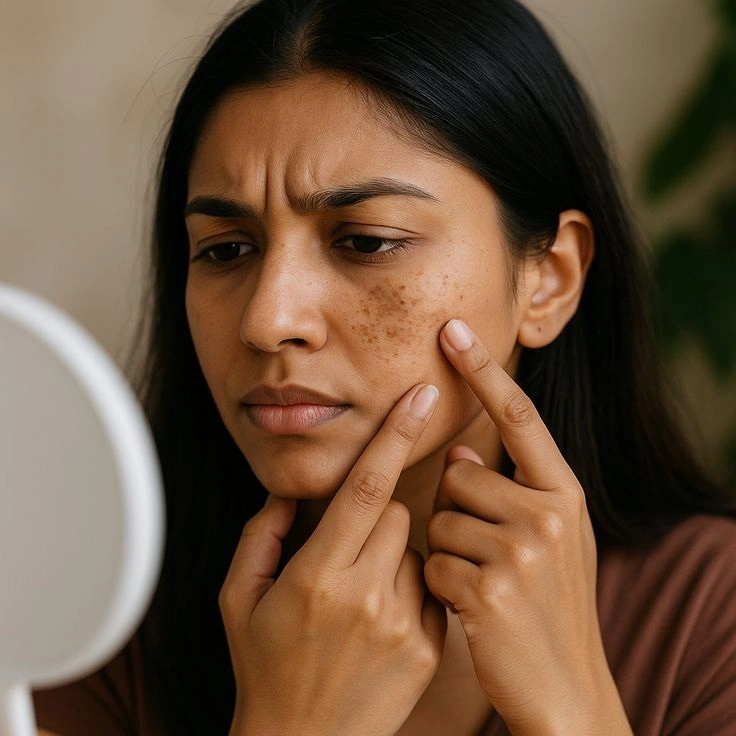
You notice it slowly. A patch near your cheekbone that did not used to be there. Dark spots that linger long after a pimple has healed. A tan that never fully fades. A forehead that looks two shades darker than the rest of your face. You try sunscreen, home remedies, fairness creams - and nothing really works. At Cleaura Clinic, Dr. Shruti Gunashekhar provides personalised, medically guided pigmentation treatment for all types of skin discolouration - melasma, dark spots, post-acne marks, suntan, freckles and more - tailored specifically for Indian skin.

Book Free Consultation +91 9699644012
Understanding the Condition

What is Skin Pigmentation - And Why Does It Keep Coming Back?

Pigmentation is the darkening of certain skin areas caused by excess melanin production. When melanocytes are triggered by sun exposure, hormones, inflammation, or injury, they produce more melanin than normal - causing dark patches, spots, or uneven skin tone.

Most over-the-counter creams fail because they only treat the surface, not the root cause. Without addressing why your skin is pigmenting - UV damage, hormonal activity, or post-inflammatory response - pigmentation keeps coming back.

At Cleaura Clinic, Dr. Shruti Gunashekhar identifies the exact type, depth, and cause of your pigmentation before recommending treatment. This is what makes the difference between temporary lightening and long-lasting results.

Skin pigmentation types and causes explained — Cleaura Clinic Nagpur

Important: India has one of the highest rates of melasma globally. Nagpur's intense sun, hot climate and high UV index make pigmentation one of the most common skin concerns seen at Cleaura Clinic.

Types of Skin Pigmentation Treated at Cleaura Clinic, Nagpur

Dr. Shruti diagnoses and treats all forms of skin pigmentation. Each type has a different cause, depth and treatment approach — which is why a proper consultation is essential before any treatment begins.

01

Melasma (Chloasma)

What it looks like: Brown, grey-brown or greyish patches - usually symmetrical - on the cheeks, forehead, upper lip and chin. Often called the 'mask of pregnancy' when it occurs in pregnant women.

Why it happens: Hormonal changes (pregnancy, contraceptive pills, thyroid issues), sun exposure and genetics. Extremely common in Indian women aged 25–45. Nagpur's heat and UV intensity make melasma one of the most stubborn skin concerns in this region.

Treatment: Medical-grade topicals, chemical peels, Q-switched laser and strict sun protection. Requires consistent management.

Explore skin treatments →

02

Post-Inflammatory Hyperpigmentation (PIH)

What it looks like: Dark flat marks left behind after acne, insect bites, injuries, burns or any skin inflammation. Typically appears on the face, back and chest. Very common in darker Indian skin tones.

Why it happens: When the skin heals from inflammation or injury, melanocytes go into overdrive and deposit excess pigment. The darker your skin tone, the more pronounced this response tends to be.

Treatment: Chemical peels, laser toning, microneedling and topical retinoids.

See acne treatment →

03

Sun Damage and Suntan

What it looks like: General darkening of exposed areas - face, neck, forearms, hands. Patchy tan lines, uneven skin tone, gradual loss of skin brightness. Very common in Nagpur given its high UV exposure for 8–10 months of the year.

Why it happens: Chronic UV exposure stimulates melanin production as a protective mechanism. Over time, this accumulates as visible darkening and an uneven complexion.

Treatment: Carbon laser peel (Hollywood peel), chemical peels, skin brightening infusions, and a sun-protective skincare protocol tailored for Nagpur's climate.

04

Freckles and Age Spots

What it looks like: Small, flat brown spots scattered on sun-exposed areas - nose, cheeks, shoulders, hands. Freckles are genetic and fade in winter; solar lentigines (age spots or liver spots) are acquired through UV exposure and do not fade.

Why it happens: Genetics (freckles) or long-term UV exposure (age spots).

Treatment: Q-switched laser, intense pulsed light (IPL) if available, and targeted depigmentation therapy. Results are typically very good with laser.

05

Dark Circles (Periorbital Pigmentation)

What it looks like: Darkening under the eyes that makes you look tired, aged or unwell - even when you are not. Can have pigmentary, vascular or structural causes.

Why it happens: Can be pigmentary, vascular or structural.

Treatment: Diagnosis first - then targeted treatment. Pigmentary dark circles respond to Q-switched laser and chemical peels. Vascular type may be better addressed with PRP or filler. Dr. Shruti assesses which type applies to you before recommending anything.

06

Neck and Body Pigmentation

What it looks like: Darkening of the neck (often called 'dirty neck'), underarms, inner thighs, elbows and knees. Can be due to friction, hormonal conditions like insulin resistance (acanthosis nigricans), or chronic sun exposure.

Why it happens: Friction, hormonal imbalance or insulin resistance.

Treatment: Targeted chemical peels, laser toning, and treatment of underlying conditions where present. Acanthosis nigricans in particular requires metabolic workup alongside skin treatment.

07

Uneven Skin Tone / Dull Skin

What it looks like: No single dark patch - just an overall loss of skin brightness, uneven colour, rough texture and a general lack of glow. Very common in Nagpur residents due to pollution, sun and hard water.

Why it happens: Pollution, sun exposure and lifestyle factors.

Treatment: Combination of chemical peels, laser toning, skin brightening boosters and a corrected home skincare routine.

08

Drug-Induced / Contact Pigmentation

What it looks like: Localised grey, brown or bluish patches on face, neck or exposed areas - often mistaken for melasma.

Why it happens: Certain medications (antimalarials, tetracyclines, chemotherapy, long-term steroids) or repeated exposure to cosmetics, perfumes or irritants.

Treatment: Trigger correction first, followed by Q-switched laser, chemical peels and medical depigmentation therapy tailored by Dr. Shruti.
Root Causes

Common Causes of Pigmentation in Nagpur -
What Is Actually Triggering Your Skin

Dr. Shruti always identifies the root cause before recommending any treatment.
The most common pigmentation triggers in Nagpur patients:

Sun Exposure (UV Radiation)

Nagpur receives intense UV radiation for most of the year. UV exposure is the single biggest driver of pigmentation - it directly stimulates melanin production and can trigger melasma, suntan, and solar lentigines. Even cloudy days carry significant UV load.

Hormonal Changes

Oestrogen and progesterone fluctuations during pregnancy, menstrual cycles, and contraceptive pill use are the primary hormonal trigger for melasma. PCOS and thyroid disorders also cause hormonal pigmentation. Extremely common in our patient population in Nagpur.

Post-Acne Marks (Post-Inflammatory Hyperpigmentation)

Picking at pimples or simply having inflammatory acne on Indian skin leaves behind dark marks that can persist for months or years. One of the most common reasons patients seek pigmentation treatment in Nagpur.

Explore Acne Treatment →

Heat Exposure

Nagpur's high temperatures are a known aggravating factor for melasma and heat-induced pigmentation. Even indoor heat can worsen certain types of pigmentation - which is why treatment protocols here are specifically adapted for the local climate.

Wrong Skincare Products

Many patients use products with ingredients that are too harsh, too occlusive, or contain photosensitising agents - making pigmentation worse over time. This includes certain fairness creams containing high-dose steroids sold over the counter.

Genetics

Skin type (Fitzpatrick IV–VI, which is the majority of Nagpur's population) is inherently more prone to post-inflammatory and melasma-type pigmentation. Family history matters.

Medications

Certain antibiotics (tetracyclines, doxycycline), antimalarials, and chemotherapy drugs can cause drug-induced pigmentation. NSAIDs taken long-term have also been implicated.

Friction and Lifestyle

Tight collars causing neck darkening, friction in skin folds causing underarm or inner thigh pigmentation - these are mechanical causes that require a different approach.

Pigmentation Treatments

Pigmentation Treatments at Cleaura Clinic, Nagpur

Dr. Shruti Gunashekhar uses a multi-modal approach - combining medical skincare, peels and
laser treatments - customised for your skin type, pigmentation depth and Nagpur’s climate.

Medical Topical Therapy

Prescription-strength depigmenting creams with hydroquinone, tretinoin, azelaic acid, kojic acid, tranexamic acid and vitamin C. These treat pigmentation at the root - unlike cosmetic fairness creams.

Best for: All pigmentation types as a base treatment.

Chemical Peels

Medical-grade peels like glycolic, salicylic, kojic and TCA exfoliate pigmented layers and promote fresh, even skin. Typically done in a series for best results.

Best for: Melasma, PIH, suntan, dull skin.
Explore skin treatments →

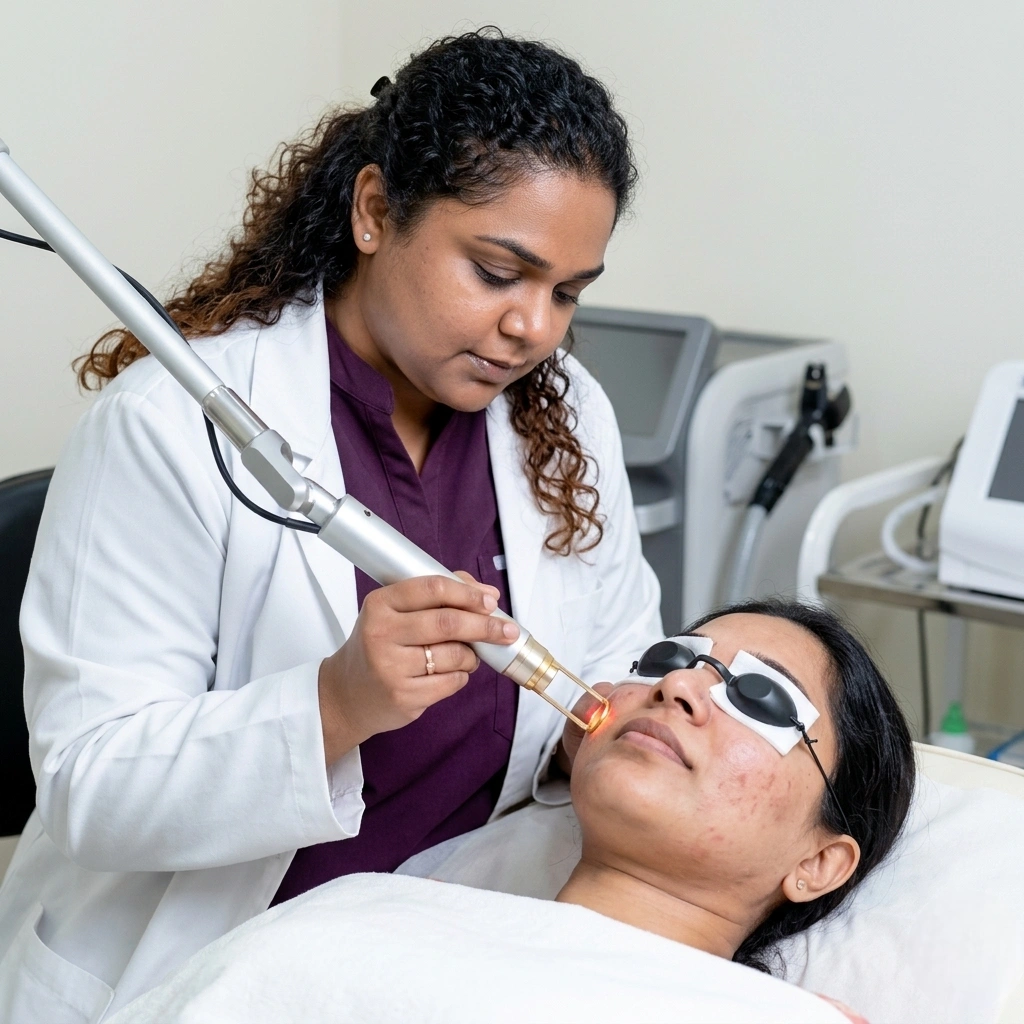
Q-Switched Nd:YAG Laser

Advanced laser toning that breaks down melanin without damaging surrounding skin. Safe for Indian skin tones and requires no downtime.

Best for: Melasma, freckles, dark spots, PIH and skin toning.

Carbon Laser Peel

Also known as the Hollywood Peel - removes surface pigmentation, oil and dullness instantly. A popular no-downtime treatment in Nagpur.

Best for: Suntan, oily skin and instant brightening.

Microneedling with PRP / Serums

Micro-channels allow deep penetration of brightening serums or PRP into the skin - improving stubborn pigmentation and texture.

Best for: Post-acne marks and deep pigmentation.
See acne treatment →

Skin Brightening Boosters

Glutathione-based treatments that work internally to reduce melanin production. Used as part of a combined protocol - not standalone.

Best for: Widespread pigmentation and dull complexion.

Personalised Skincare Protocol

Custom home-care routine designed specifically for Nagpur’s heat and UV exposure. Includes mandatory SPF 50+ sunscreen and targeted actives.

Key point: Without sun protection, no pigmentation treatment will last.

Complete Pigmentation Treatment Plan

Every patient at Cleaura receives a personalised treatment plan combining clinic procedures and home care - ensuring long-term results, not temporary fixes.

Book Consultation →
Pigmentation Treatment Comparison Table

Pigmentation Treatment Comparison -
Which One Is Right for You?

At Cleaura Clinic, pigmentation treatments are selected based on your skin type, depth of pigmentation and lifestyle factors in Nagpur. Below is a clear comparison to help you understand which option may suit your concern.

Treatment Best For Sessions Downtime Lasts
Medical Topical Therapy All types - foundation of treatment Ongoing daily None Ongoing maintenance
Chemical Peels PIH, suntan, melasma, dull skin 4–8 sessions Minimal (1–3 days) Maintained with protocol
Q-Switched Laser Toning Melasma, dark spots, freckles, PIH 6–10 sessions None Long-lasting with SPF
Carbon Laser Peel Suntan, oily skin, brightness 4–8 sessions None 3–4 months per cycle
Microneedling + Serums Deep PIH, acne marks, texture 4–6 sessions 1–2 days Long-lasting
PRP for Pigmentation Stubborn PIH, rejuvenation 3–4 sessions Minimal 6–12 months
Are You the Right Candidate?

Who Is Pigmentation Treatment Suitable For?

Not every pigmentation case is treated the same. A proper diagnosis is essential before starting any treatment.
Dr. Shruti Gunashekhar evaluates your skin type, cause and depth of pigmentation before recommending a plan.

Generally Suitable For

  • Adults of any age with visible pigmentation - dark spots, melasma, uneven tone, suntan, PIH
  • Women with hormonal pigmentation linked to pregnancy, contraceptives or PCOS
  • People with post-acne marks that have not faded in 3+ months
  • Patients who have tried OTC creams and home remedies without lasting results
  • Anyone in Nagpur with chronic sun damage and skin dullness from UV exposure
  • Men and women seeking skin brightening and even skin tone without surgery
  • Patients with dark circles, neck pigmentation, or body pigmentation (underarms, elbows, inner thighs)

Who Should Approach With Caution / Needs Assessment

  • Pregnant women - certain treatment modalities require modification or deferral
  • Active skin infections or open wounds in the treatment area
  • Patients currently on photosensitising medications (discuss with Dr. Shruti)
  • Those with a history of post-inflammatory hyperpigmentation after laser - protocols are adjusted for high-risk patients

Important Note: All patients undergo a thorough consultation and skin analysis before any pigmentation treatment is started at Cleaura Clinic. This is non-negotiable - it is how safe, effective results are achieved for Indian skin types.

Our Process

How Pigmentation Treatment Works at Cleaura Clinic, Nagpur

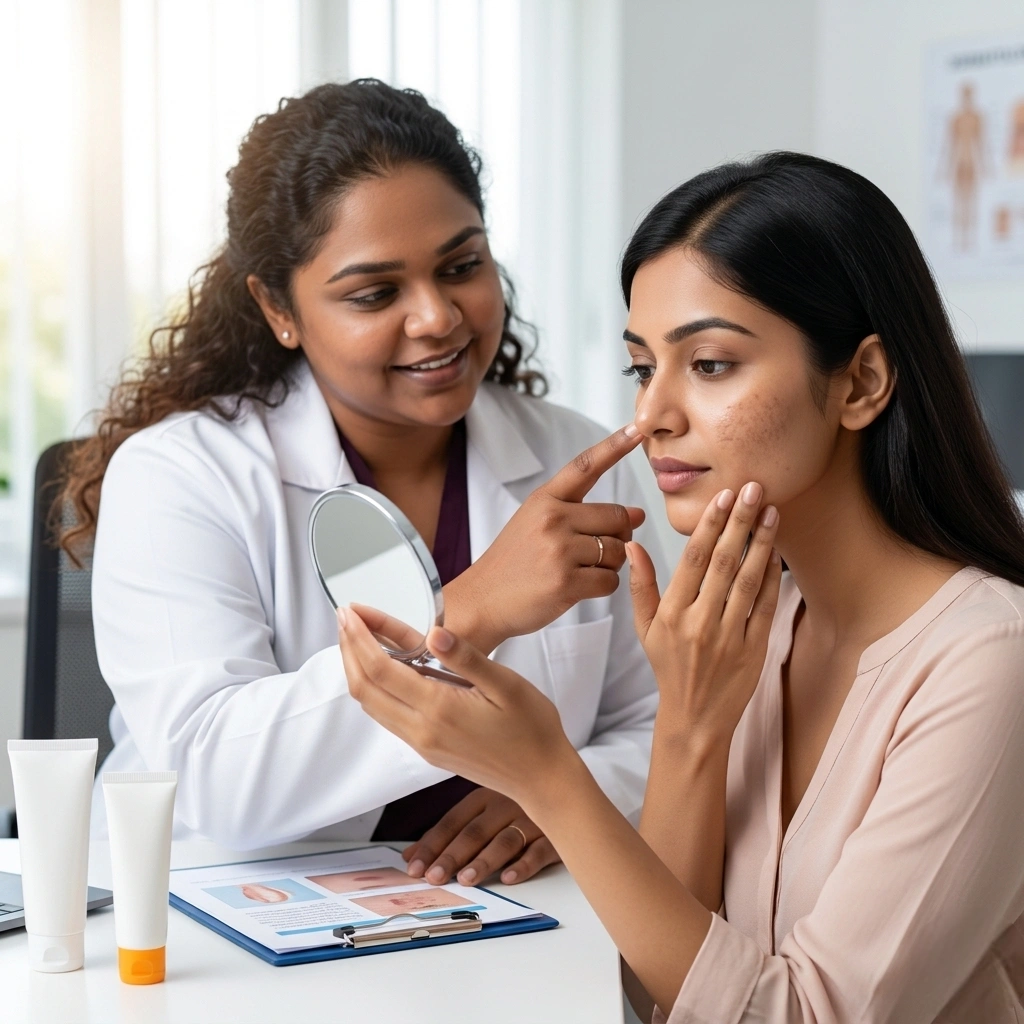
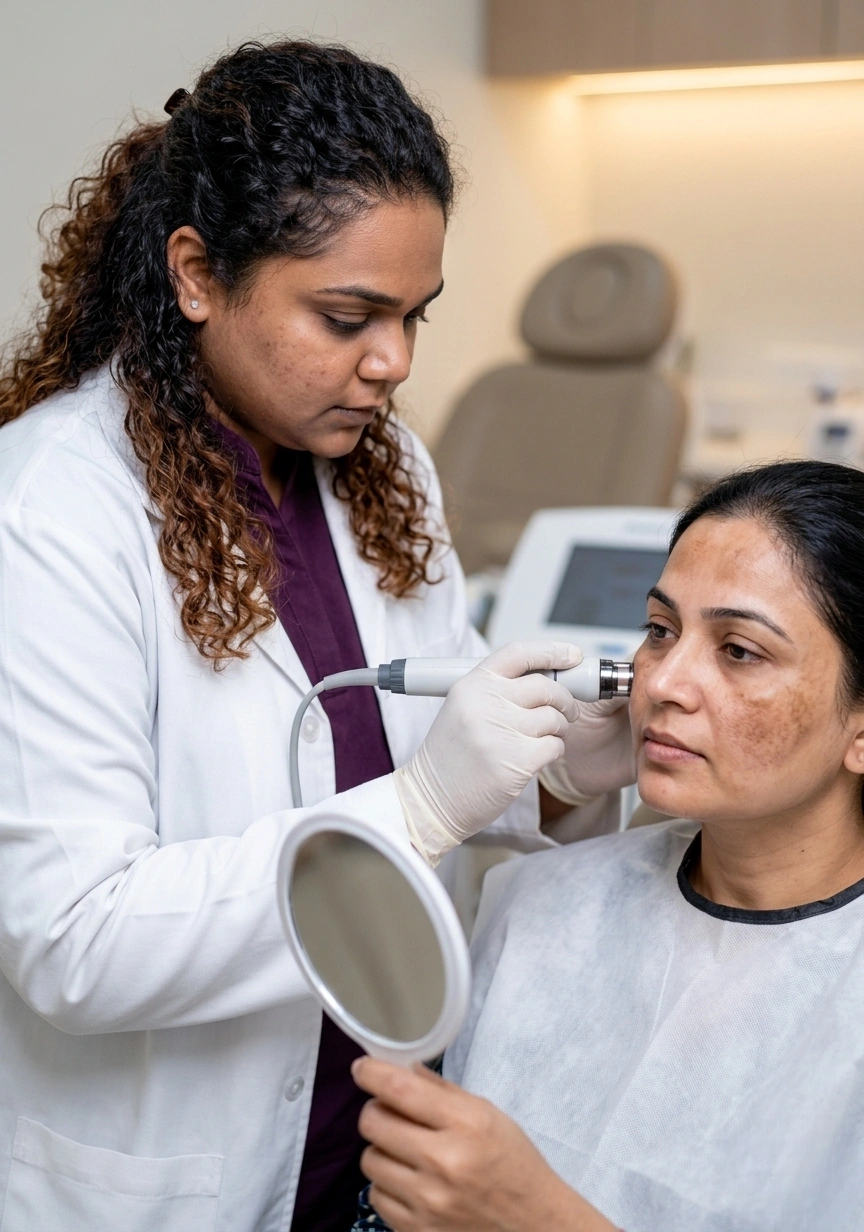
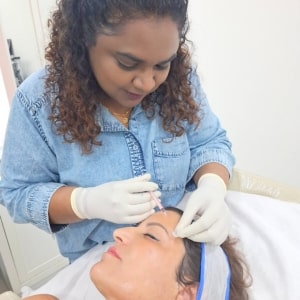
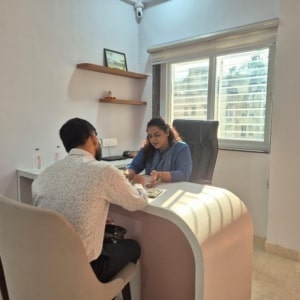
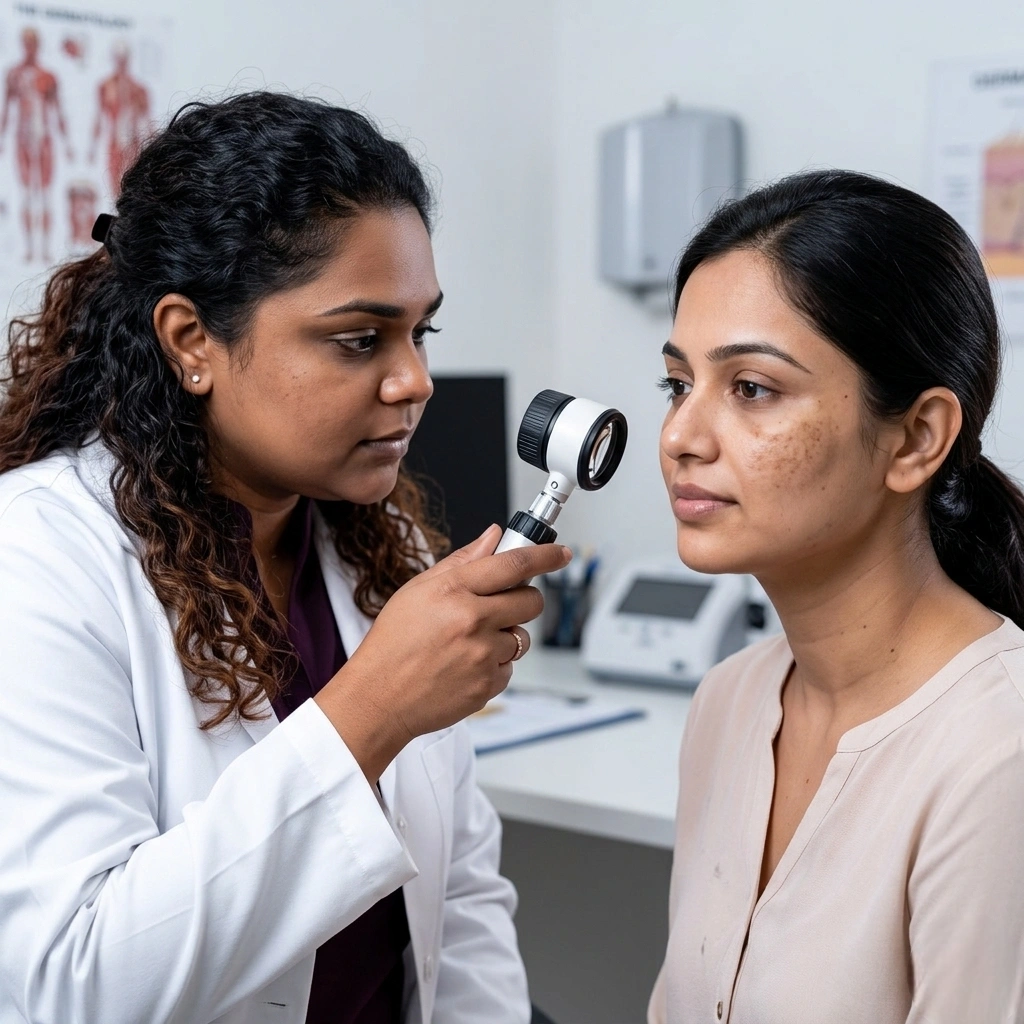
Pigmentation consultation and skin analysis at Cleaura Clinic Nagpur
01

Skin Analysis & Diagnosis

Dr. Shruti Gunashekhar performs a detailed skin assessment to identify your pigmentation type - melasma, PIH, sun damage or mixed pigmentation. Root causes like hormones, sun exposure and lifestyle are evaluated before starting treatment.

Explore skin treatments →

Personalised pigmentation treatment plan at Cleaura Clinic Nagpur
02

Personalised Treatment Plan

Based on diagnosis, a customised protocol is created using medical topicals, chemical peels, laser toning or combination therapy. Every plan is tailored for Indian skin and Nagpur’s high UV environment.

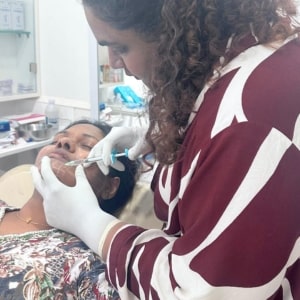
Pigmentation treatment sessions including laser and peels at Cleaura Clinic Nagpur
03

Treatment Sessions

Treatments such as Q-switched laser, chemical peels, or microneedling are performed in sessions spaced 2–4 weeks apart. Each session gradually reduces pigmentation, improves skin tone and restores clarity with minimal downtime.

Pigmentation maintenance and skincare routine at Cleaura Clinic Nagpur
04

Maintenance & Skin Protection

Long-term results depend on maintenance. A personalised skincare routine with SPF 50+, medical topicals and follow-ups is provided to prevent recurrence - especially important in Nagpur’s harsh sun conditions.

After Your Treatment

Pigmentation Treatment Aftercare -
What To Do and What To Avoid

Pigmentation treatment aftercare is critical for achieving long-lasting, visible results.
Consistency and sun protection play the biggest role in preventing recurrence.

What To Do

  • Apply SPF 50+ broad-spectrum sunscreen every single day - including indoors on sunny days and during Nagpur's summer. This is the most important thing you can do for your results.
  • Follow your prescribed home skincare routine consistently - do not stop depigmenting agents unless instructed.
  • Stay hydrated and maintain your skin barrier with a gentle, non-comedogenic moisturiser.
  • Attend all scheduled sessions and follow-up appointments.
  • Protect your skin with a wide-brimmed hat and UV-protective clothing when outdoors in Nagpur's intense summer sun.

What To Avoid

  • Do not skip sunscreen - ever. UV exposure is the number one cause of pigmentation recurrence.
  • Avoid steam rooms, saunas, and very hot showers for 48–72 hours after in-clinic treatments.
  • Do not use harsh scrubs or exfoliants between sessions - your skin will already be renewing rapidly.
  • Avoid picking at peeling skin after chemical peels - this can cause new PIH.
  • Do not use over-the-counter steroid-containing fairness creams alongside your prescribed treatment - these cause steroid-induced pigmentation, thinning and rebound darkening.
  • Avoid using new skincare products without clearing them with Dr. Shruti first.

When To Contact the Clinic If you notice unusual irritation, worsening pigmentation, or unexpected skin reactions during your treatment course - contact Dr. Shruti at Cleaura Clinic for guidance and adjustment of your protocol.

Call the Clinic →
Results & Expectations

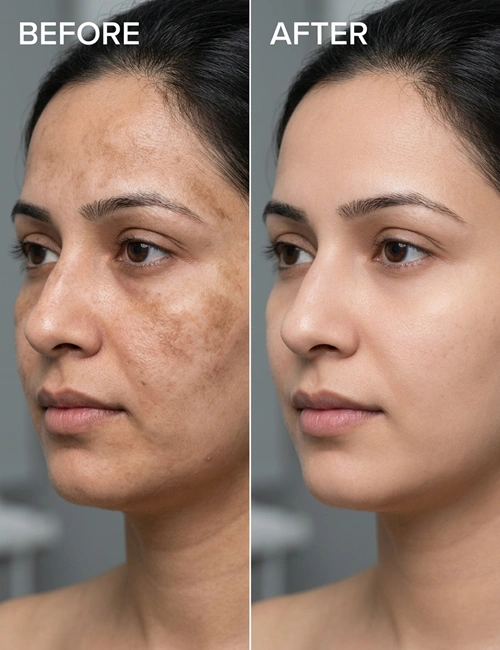
What Results Can You Realistically Expect From Pigmentation Treatment in Nagpur?

Pigmentation treatment requires patience - it is not an overnight transformation. Here is what most patients at Cleaura Clinic experience:

  • Post-Acne Marks (PIH): Visible improvement in 4–6 weeks, significant clearing in 3–4 months. Maintenance with sunscreen is essential.
  • Suntan / Sun Damage: Improves in 2–4 sessions, clears in 6–8 sessions. Seasonal maintenance required.
  • Melasma: Improvement in 6–8 weeks, clearing in 4–6 months. Requires long-term maintenance protocol.
  • Freckles / Solar Lentigines: Improvement after 2–4 laser sessions, clears in 4–6 sessions. SPF + annual touch-up needed.
  • Dark Circles (Pigmentary): Improvement in 6–8 weeks, results in 3–6 months. Maintenance required.
  • Neck / Body Pigmentation: Improvement in 4–6 weeks, clears in 3–5 months with ongoing care.
Pigmentation treatment results timeline in Nagpur - Cleaura Clinic

Important: Melasma is the most stubborn form of pigmentation. While it responds well to treatment, it can recur - especially with UV exposure and hormonal triggers. Ongoing sun protection and maintenance is essential, not optional.

Pigmentation Treatment Timeline – Results by Condition

Pigmentation Type Visible Improvement Significant Clearing Maintenance Needed
Post-Acne Marks (PIH) 4–6 weeks 3–4 months Yes - ongoing SPF
Suntan / Sun Damage 2–4 sessions 6–8 sessions Seasonal maintenance
Melasma 6–8 weeks 4–6 months Yes - long-term protocol
Freckles / Solar Lentigines 2–4 sessions 4–6 sessions SPF + annual touch-up
Dark Circles (Pigmentary) 6–8 weeks 3–6 months Yes
Neck / Body Pigmentation 4–6 weeks 3–5 months Yes
Pigmentation Cost in Nagpur

Cost of Pigmentation Treatment in Nagpur

Pigmentation treatment cost at Cleaura Clinic depends on the type of pigmentation, how deep it sits in the skin, and the combination of treatments required. Most patients need multiple sessions across 2 to 3 months for lasting results - which is why a proper consultation and diagnosis comes first. All pricing is discussed upfront with no hidden charges and no pressure to commit.

Pigmentation Treatment Cost - Nagpur

Treatment Cost Per Session Sessions Estimated Total
Consultation & Skin Analysis ₹500 - ₹1,000 1 Adjustable against treatment
Chemical Peel for Pigmentation ₹2,000 - ₹5,000 4 - 8 ₹8,000 - ₹40,000
Q-Switched Laser / Laser Toning ₹3,000 - ₹8,000 6 - 10 ₹18,000 - ₹80,000
Carbon Laser Peel (Hollywood Peel) ₹3,000 - ₹6,000 4 - 8 ₹12,000 - ₹48,000
Microneedling with Serums ₹4,000 - ₹8,000 4 - 6 ₹16,000 - ₹48,000
Microneedling with PRP ₹6,000 - ₹12,000 3 - 4 ₹18,000 - ₹48,000
Skin Brightening Booster ₹3,000 - ₹6,000 Monthly Variable
Medical Topical Prescription ₹800 - ₹2,000/month Ongoing Variable

These are estimated ranges for reference only. Actual cost depends on your diagnosis, treatment combination, and skin response. Your complete plan and pricing will be discussed clearly at your consultation - no packages pushed, no upselling.

What Factors Affect the Cost of Pigmentation Treatment in Nagpur?

Type and depth of pigmentation - Surface pigmentation like suntan responds faster and costs less overall. Deep pigmentation like melasma or drug-induced pigmentation requires more sessions and a combination approach, increasing the total cost.

Area of treatment - Face-only treatment costs less than a protocol covering the face, neck, and body together. Larger or multiple areas require more time and product per session.

Number of sessions needed - Mild PIH may clear in 4 sessions. Stubborn melasma may need 8 to 10 sessions with maintenance. The grade of your pigmentation directly determines how many sessions you need.

Treatment combination - A single peel costs less than a combination protocol involving laser toning, microneedling, and medical topicals together. At Cleaura Clinic, combination protocols are only recommended when clinically necessary — not to inflate the bill.

Skin tone and sensitivity - Darker Indian skin tones require a more careful, gradual approach to avoid post-treatment PIH. This can mean more spaced-out sessions and a longer overall timeline.

Maintenance and home care - Medical-grade topical prescriptions and sun protection products are part of the protocol. These are ongoing costs but essential to prevent pigmentation from returning - especially in Nagpur's high UV climate.

About the Doctor

Why Trust Cleaura Clinic for Pigmentation Treatment in Nagpur?

Pigmentation treatment is a medical procedure, not a cosmetic service. The result and the safety - depend entirely on the expertise of the treating doctor. In Nagpur, that distinction matters more than most patients realise.

At Cleaura Clinic, every pigmentation case is handled by Dr. Shruti Gunashekhar - a Canadian Board-Certified Aesthetic Physician with advanced international training in skin treatments and clinical dermatology. She has treated hundreds of pigmentation patients across Nagpur, including complex melasma, resistant post-inflammatory hyperpigmentation (PIH), and post-acne marks in Indian skin.

What makes Dr. Shruti's approach different is her diagnosis-first philosophy - no treatment is recommended without understanding the root cause and depth of your pigmentation.

Know More About Dr. Shruti
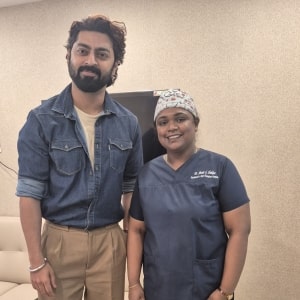
Dr. Shruti Gunashekhar – Pigmentation Specialist at Cleaura Clinic Nagpur

Dr. Shruti
Gunashekhar

Aesthetic Physician & Skin Specialist · Nagpur

  • Canadian Board-Certified Aesthetic Physician (CBAM)
  • Specialisation in Skin Pigmentation & Melasma
  • Advanced international training in aesthetic medicine
  • Singapore-trained hair transplant surgeon
  • Safe protocols specifically for Indian skin tones
  • Climate-adapted treatment for Nagpur's UV intensity
★★★★★ Top Rated Pigmentation
Specialist in Nagpur

Why Patients in Nagpur Choose Cleaura Clinic for Pigmentation Treatment

Choosing the right clinic for pigmentation treatment is not just about technology - it is about finding a doctor who understands your skin type, your lifestyle and the specific challenges of treating pigmentation in Nagpur's climate.

Led by Dr. Shruti Gunashekhar - Canadian Board-Certified Aesthetic Physician with advanced international training in skin treatments and facial anatomy. Not a beautician or general practitioner.

Proper diagnosis before every treatment - the type, cause and depth of your pigmentation is identified before any intervention is recommended.

Safe for Indian skin - all laser parameters and peel protocols are specifically adjusted for Fitzpatrick IV–VI skin types common in Nagpur, avoiding post-laser hyperpigmentation in darker tones.

No steroid-heavy fairness cream protocols - these cause long-term skin damage and are never used at Cleaura Clinic.

Climate-specific treatment design - protocols are adapted for Nagpur's intense sun exposure and heat, which directly affect pigmentation recurrence.

Transparent pricing - full cost discussed upfront with no hidden charges and no pressure to commit to large packages. Free follow-up reviews are included.

End-to-end skin management - from diagnosis and in-clinic treatment to home skincare guidance and long-term maintenance planning.

Dr. Shruti Gunashekhar — Pigmentation Specialist and Aesthetic Physician at Cleaura Clinic Nagpur
Common Questions

Frequently Asked Questions About Pigmentation Treatment in Nagpur

Have more questions? Dr. Shruti Gunashekhar's team is available for a personalised consultation to address your specific concerns.

Q1. What is the best treatment for pigmentation in Nagpur?

+

There is no single 'best' treatment — it depends entirely on your pigmentation type, depth and skin tone. At Cleaura Clinic, Nagpur, Dr. Shruti Gunashekhar typically recommends a combination approach: medical topical depigmenting agents at home, combined with Q-switched laser toning or chemical peels in-clinic. For melasma, a long-term protocol with strict sun protection is essential. For post-acne marks, chemical peels and microneedling tend to work well. The right treatment is determined after a proper consultation and skin diagnosis.

Q2. How long does pigmentation treatment take to show results?

+

This depends on the type of pigmentation. Post-acne dark marks (PIH) may show visible fading in 4–6 weeks. Suntan and overall dullness can improve within 2–4 sessions of laser or peels. Melasma typically takes 4–6 months of consistent treatment to show significant clearing — and requires ongoing maintenance to prevent recurrence.

Q3. Is laser treatment safe for pigmentation on Indian skin?

+

Yes — when performed by a trained professional using the right laser parameters. Q-switched Nd:YAG laser is considered safe for Indian skin tones (Fitzpatrick IV–VI) and is the standard of care for melasma and pigmentation treatment in India. The key is correct settings and proper aftercare. At Cleaura Clinic, all laser protocols are specifically calibrated for the skin tones common in Nagpur to prevent adverse reactions like post-laser hyperpigmentation.

Q4. Can melasma be permanently cured?

+

Melasma is a chronic condition and cannot always be permanently cured — but it can be significantly controlled and cleared. Because melasma is driven by hormonal triggers and UV exposure, it can recur after treatment if sun protection is not maintained. Most patients at Cleaura Clinic achieve significant lightening with the right protocol and maintain results with ongoing sun protection and periodic maintenance sessions.

Q5. What is the cost of pigmentation treatment in Nagpur?

+

The cost of pigmentation treatment in Nagpur at Cleaura Clinic depends on the type of treatment required, the number of sessions, and the extent of pigmentation. Chemical peels range from approximately ₹2,000–₹5,000 per session. Q-switched laser sessions typically range from ₹3,000–₹8,000 per session. A full treatment plan with costs is discussed during your consultation.

Q6. What causes dark spots on the face in Nagpur?

+

Dark spots on the face in Nagpur are most commonly caused by UV exposure (Nagpur has very high UV intensity), post-acne hyperpigmentation (dark marks left after pimples), melasma (triggered by hormones and sun), and skin inflammation from pollution or friction. Incorrect skincare products — particularly steroid-containing fairness creams — are also a common cause of worsening pigmentation in this region.

Q7. Is pigmentation treatment painful?

+

Most pigmentation treatments at Cleaura Clinic involve minimal to no discomfort. Chemical peels cause a mild tingling sensation that subsides quickly. Q-switched laser toning feels like a mild snapping sensation — numbing cream can be applied for sensitive patients. There is no significant pain involved in any standard pigmentation treatment.

Q8. How many sessions are needed for pigmentation removal?

+

The number of sessions depends on the type and severity of pigmentation. Post-acne marks may improve significantly in 4–6 chemical peel sessions. Suntan typically clears in 4–8 carbon laser peel sessions. Melasma usually requires 6–10 laser toning sessions for visible clearing, followed by maintenance. Your session plan is outlined during consultation at Cleaura Clinic.

Q9. What is the difference between pigmentation and melasma?

+

Melasma is a specific type of pigmentation — characterised by larger, symmetrical brown or grey-brown patches on the face, strongly linked to hormonal activity and sun exposure. General pigmentation is a broader term that includes dark spots, post-acne marks, suntan, freckles and any area of skin discolouration. Melasma is one of the hardest types of pigmentation to treat and requires a specialised, long-term protocol.

Q10. Can pigmentation come back after treatment?

+

Yes, particularly for melasma and sun-related pigmentation — if sun protection is not maintained. This is why every pigmentation patient at Cleaura Clinic receives a comprehensive sun protection protocol alongside their treatment. Patients who use SPF 50+ daily and follow their maintenance plan see significantly lower rates of recurrence.

Q11. Is there any downtime after pigmentation treatment?

+

Most pigmentation treatments at Cleaura Clinic have minimal to no downtime. Chemical peels may cause mild peeling or redness for 1–3 days. Q-switched laser toning and carbon laser peels have essentially no downtime — you can return to normal activities the same day. Microneedling may cause redness for 24–48 hours. Dr. Shruti discusses expected recovery at your consultation.

Q12. Which doctor is best for pigmentation treatment in Nagpur?

+

Dr. Shruti Gunashekhar at Cleaura Clinic is widely regarded as one of the most experienced and qualified physicians for pigmentation treatment in Nagpur. As a Canadian Board-Certified Aesthetic Physician with specific expertise in skin treatments for Indian skin tones, Dr. Shruti provides evidence-based, diagnosis-first pigmentation care with a strong emphasis on safe outcomes on Fitzpatrick IV–VI skin.

Q13. Does sunscreen really help with pigmentation treatment?

+

Yes — sunscreen is the single most important part of any pigmentation treatment protocol. UV exposure is the primary trigger for most types of pigmentation. Without daily SPF 50+ broad-spectrum sunscreen, in-clinic treatments will not hold. At Cleaura Clinic, sun protection is introduced from Day 1 of any pigmentation treatment plan.

Q14. Can dark circles on the eyes be treated alongside face pigmentation?

+

Yes. Periorbital hyperpigmentation (dark circles with a pigmentary cause) can be treated alongside facial pigmentation at Cleaura Clinic. Dr. Shruti first assesses whether the dark circles are pigmentary, vascular or structural in nature — as this determines the right treatment approach.

Q15. What should I avoid before starting pigmentation treatment?

+

Before beginning pigmentation treatment at Cleaura Clinic, avoid using steroid-based fairness creams, do not start any new skincare activities without consulting first, stay out of the intense sun as much as possible, and do not undergo any other skin treatments without informing Dr. Shruti. A full skin history and product review is done during consultation.

Book Your Pigmentation Treatment Consultation in Nagpur

Struggling with melasma, dark spots, uneven skin tone or stubborn pigmentation that keeps coming back?
At Cleaura Clinic, every treatment begins with a precise diagnosis - not guesswork - followed by customised solutions designed for Indian skin.

Whether it’s sun damage, post-acne marks, or chronic pigmentation - get a treatment plan that actually works.
Start with a consultation and take the first step towards clearer, even-toned skin.

Cleaura Clinic treatment gallery – patient care in Nagpur
CMF surgery and aesthetic treatment results at Cleaura Clinic Nagpur
Skin and hair treatment outcomes at Cleaura Clinic Nagpur
Patient transformation at Cleaura Clinic – CMF and aesthetic care
Before and after care at Cleaura Clinic Nagpur
Advanced facial treatment at Cleaura Clinic Nagpur
Dr. Shruti Gunashekhar's clinic and patient care gallery
Cleaura Clinic Nagpur – facial surgery and wellness gallery
Call Now WhatsApp Book Appointment