Thinning hair. A widening parting. More hair on the pillow every morning. If this feels familiar - you're not alone. Millions of people in Nagpur face hair loss every year, and many don't know there's a safe, non-surgical solution that uses your own blood to wake up sleeping hair follicles.
PRP hair treatment (Platelet Rich Plasma therapy) is a clinically-backed, doctor-administered procedure that stimulates natural hair regrowth - without surgery, without harsh chemicals, and with minimal downtime.
Nagpur sits in one of India's hottest regions - with peak summer temperatures crossing 45°C. Most patients who visit Cleaura for PRP hair treatment in Nagpur are dealing with a combination of local environmental triggers that make hair loss harder to control:
This combination makes hair loss in Nagpur more common and often more severe than in other cities. Generic shampoos and supplements treat the surface. PRP works from inside your own biology.
PRP (Platelet-Rich Plasma) treatment injects concentrated growth factors from your own blood directly into the scalp - stimulating dormant follicles and reversing the gradual thinning caused by heat, mineral water, and hormonal fluctuations. It's one of the most effective hair fall treatments available in Nagpur for both men and women.
Planning PRP hair treatment after summer in Nagpur? Post-monsoon (September–November) is the ideal time to begin your course - the scalp is naturally hydrated, less inflamed from heat exposure, and recovery after each session is significantly more comfortable than during peak summer months.
Book Free Consultation →PRP stands for Platelet-Rich Plasma. Your blood contains red blood cells, white blood cells, platelets, and plasma. In PRP therapy for hair loss, we isolate the plasma and concentrate the platelets - the cells responsible for healing and tissue regeneration - to create a powerful, growth-factor-rich solution from your own biology.
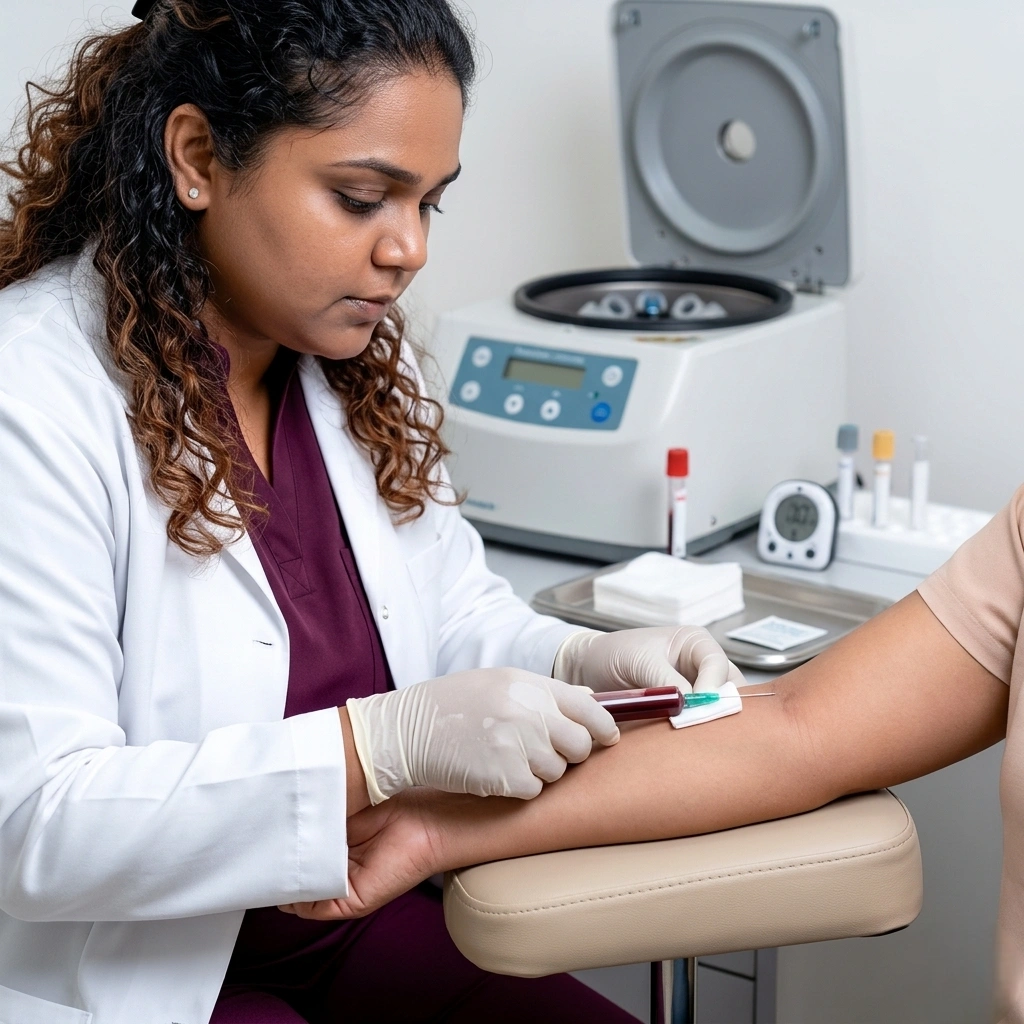
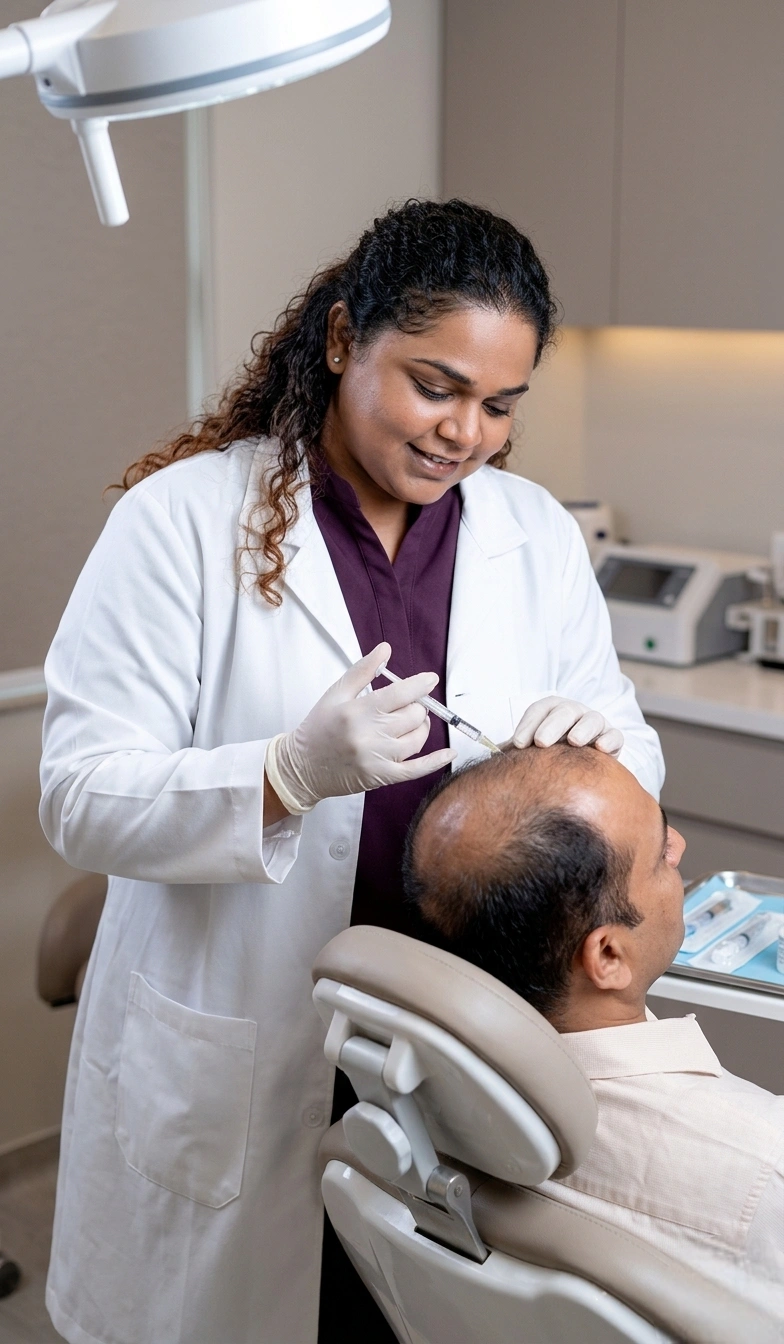
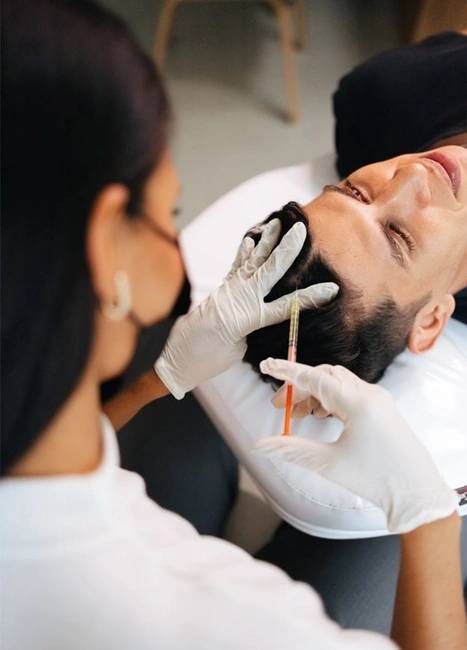
The process is straightforward. We draw a small amount of your blood, spin it in a centrifuge machine to concentrate the platelets, and then inject this platelet-rich plasma directly into your scalp - specifically targeting hair follicles that are weakening or becoming inactive.
The result: those dormant follicles receive a direct biological signal to become active again - producing new hair strands over the following weeks and months. Most patients notice visible improvement in hair density and reduced shedding after 2–3 sessions.
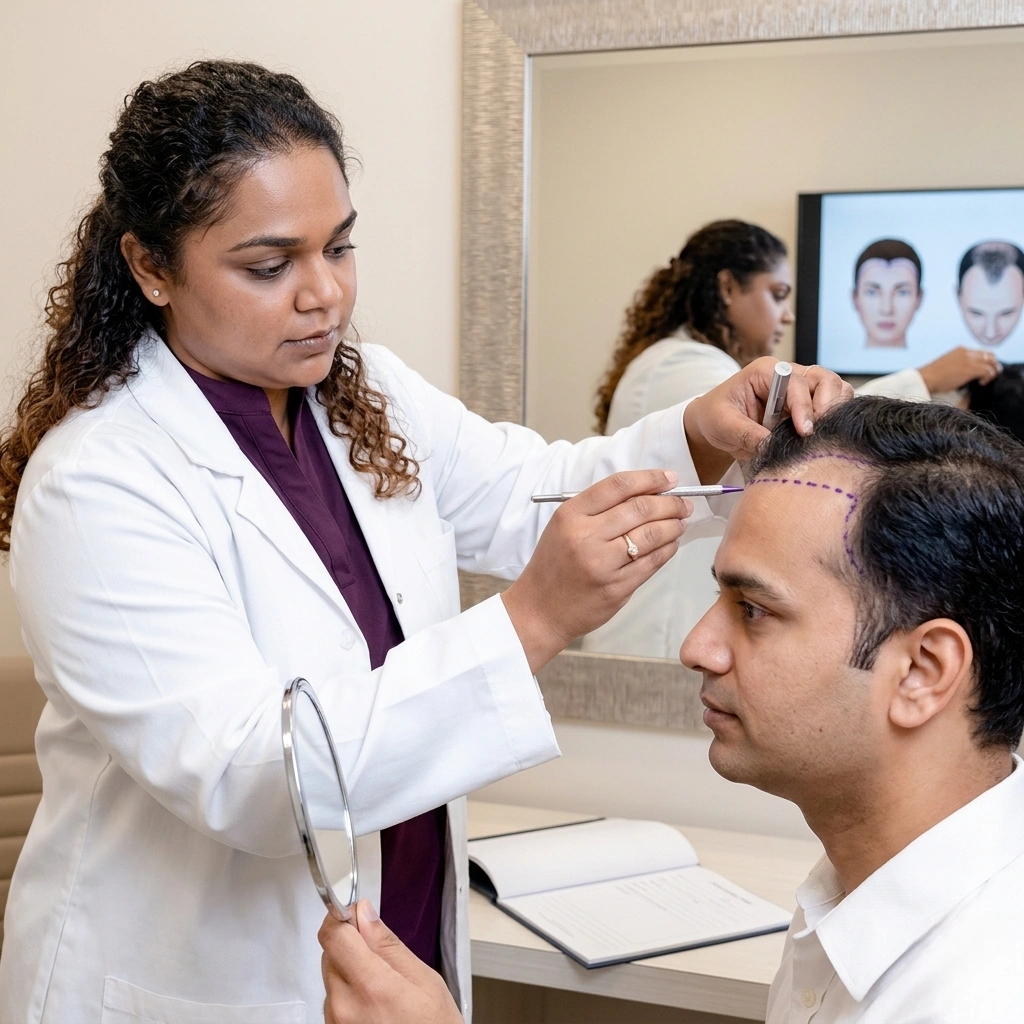
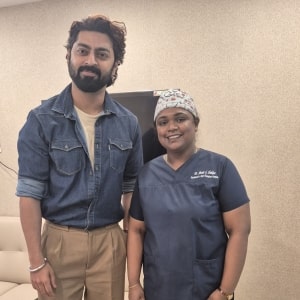
At Cleaura Clinic, Nagpur, Dr. Shruti Gunashekhar performs all PRP hair treatment sessions personally - ensuring the correct platelet concentration, injection depth, and scalp mapping for your specific hair loss pattern.
Key Point: Because PRP uses your own blood. It is one of the safest hair regrowth treatments available in Nagpur for both men and women - no synthetic chemicals, no downtime.
Want to know if PRP is right for your hair loss? Book a free consultation with Dr. Shruti Gunashekhar - she will assess your scalp condition and recommend a personalised PRP treatment plan.
Every PRP hair treatment session at Cleaura is performed personally by Dr. Shruti Gunashekhar - not delegated to a technician. The entire process takes approximately 60-75 minutes from consultation to recovery, with no downtime required afterward.
At Cleaura Clinic in Nagpur, we use a medical-grade centrifuge to achieve a high platelet concentration - typically 5-7x baseline - ensuring maximum growth factor delivery to your scalp with every session.
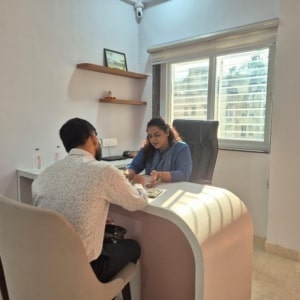
Dr. Shruti assesses your scalp condition, hair density, loss pattern, and medical history - including PCOS, thyroid, or post-illness triggers. No pressure. No guesswork. If PRP isn't right for your hair loss stage, she will say so and recommend what is. Takes approximately 30 minutes.
A small amount of your blood - just 15–20ml, similar to a routine blood test - is drawn and spun in a medical-grade centrifuge at high speed. This separates and concentrates the platelet-rich plasma, achieving a growth factor concentration 5-7x above baseline. Takes approximately 15–20 minutes.
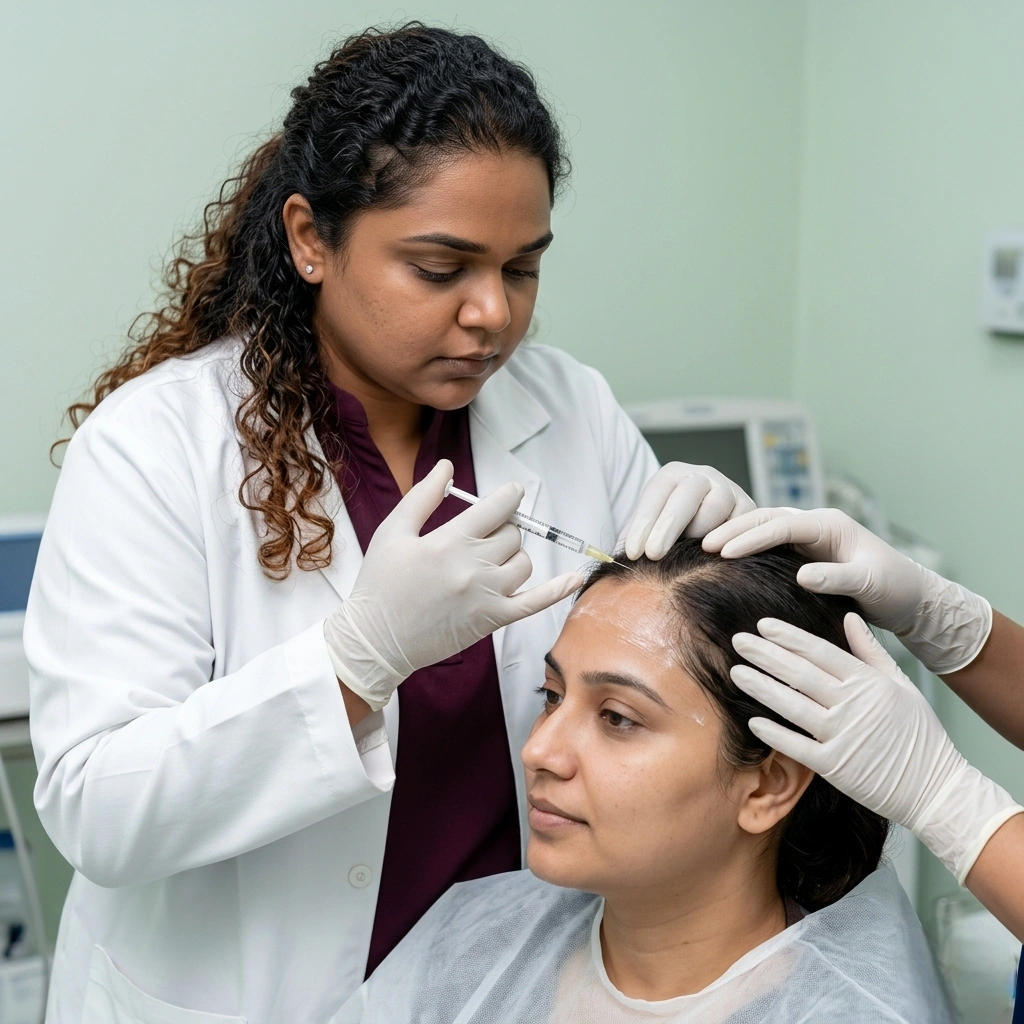
A numbing cream is applied to your scalp for 20 minutes before injections begin - making the procedure nearly painless for most patients. Dr. Shruti then injects the concentrated plasma at precise points across the scalp using ultra-fine needles, targeting weakening follicles directly. Most patients describe it as a mild pressure sensation. Takes approximately 20–30 minutes.
No downtime. Most patients return to work the same day. Mild scalp tenderness and redness for 24–48 hours is normal and indicates the treatment is working. Avoid washing hair for 24 hours and direct sun for 48 hours. Hair shedding begins within 2–3 weeks - this is expected and is followed by new regrowth. A follow-up review is included after each session.
Total session time: approximately 60-75 minutes. Most patients require 4–6 sessions spaced 3–4 weeks apart for optimal results. Dr. Shruti will confirm your exact session plan during your free consultation - based on your hair loss stage, scalp condition, and response to treatment. Book Free Consultation →
Most people ignore early hair loss until it becomes impossible to hide. But the earlier you act, the better PRP works - because PRP cannot regenerate a follicle that has already permanently closed. It can only reactivate one that is still alive but weakening.
If you are experiencing any of the following signs, your follicles are likely still in a recoverable stage - and PRP hair treatment in Nagpur at Cleaura may be the right intervention before the window closes.
| What You're Experiencing | What It Usually Means | PRP Likely to Help? |
|---|---|---|
| More hair than usual on your pillow, in the shower drain, or on your comb | Telogen effluvium - stress, nutritional deficiency, illness, or hormonal shift pushing hair follicles into the shedding phase prematurely | Yes - one of the strongest use cases for PRP. Most patients see shedding reduce within 3–4 sessions |
| Gradual thinning at the crown or top of the scalp | Early androgenetic alopecia (pattern hair loss) - follicles are miniaturising due to DHT sensitivity but are still alive and active | Yes - high success rate when caught early. PRP slows miniaturisation and stimulates regrowth |
| Hairline receding at the temples (men) | Male pattern baldness - DHT-driven follicle shrinkage starting at the frontal hairline | Yes - best results in early to moderate stages. Advanced recession responds better to advanced hair transplant in Nagpur |
| Widening parting line or scalp visible through hair in good lighting | Diffuse thinning - overall reduction in hair density across the scalp rather than a single bald patch | Yes - PRP improves overall density. Results are visible in 8–12 weeks with consistent sessions |
| Facial or body hair from PCOS, chin and jawline hair increasing, scalp hair thinning simultaneously | Hormonal imbalance - elevated androgens causing paradoxical hair loss on scalp while increasing hair elsewhere | Yes - PRP combined with hormonal management gives strong results. PCOS hair loss treatment at Cleaura includes both |
| Sudden, significant hair fall 2–3 months after COVID-19, typhoid, dengue, or major surgery | Post-illness telogen effluvium - the body's stress response to illness delays hair growth and triggers mass shedding weeks later | Yes - very strong PRP response. Most patients recover near-complete density within 4–6 months of starting PRP |
| Hair thinning that started or worsened after pregnancy or delivery | Post-partum hair loss - oestrogen drop after delivery causes follicles to shed hair that was retained during pregnancy | Yes - highly effective once hormones stabilise (typically 3–4 months post-delivery). Not recommended during breastfeeding - Dr. Shruti will advise timing |
| Hair feels thinner, weaker, or breaks easily - even without obvious shedding | Hair shaft thinning - follicles producing progressively finer hair, often due to nutritional deficiency, thyroid imbalance, or chronic stress | Yes - PRP strengthens existing hair shafts and reverses miniaturisation over the course of sessions |
| Patchy circular bald spots appearing suddenly | Possible alopecia areata - autoimmune condition causing localised follicle suppression. Requires medical assessment to confirm diagnosis | Sometimes - depends on severity and immune activity. Dr. Shruti will assess before recommending PRP for this condition |
| Complete smooth bald areas with no visible follicle activity | Advanced follicle loss - follicles likely permanently inactive or absent | Limited - FUE hair transplant is more appropriate at this stage. PRP may be used post-transplant to improve results |
PRP hair treatment at Cleaura is a straightforward in-clinic procedure with no downtime. Here is an honest overview of what most patients experience - during the session and in the days that follow.
When PRP May Not Be the Right Choice: PRP works best on follicles that are weakening but still alive. If the scalp shows complete smooth bald patches with no visible follicle activity, the follicles may have permanently closed and PRP is unlikely to produce significant regrowth in those areas. In such cases, Dr. Shruti will discuss whether FUE hair transplant or a combination approach is more appropriate. At Cleaura, we would rather give you an honest answer than an expensive treatment course that will not deliver results.
Get an Honest Assessment from Dr. Shruti →PRP works best for patients in the early-to-moderate stages of hair loss - when follicles are weakening but still alive. The further hair loss has progressed, the less effective PRP becomes. This guide will help you understand whether PRP hair treatment in Nagpur at Cleaura is the right option for your specific condition - and when a different approach may deliver better results.
Dr. Shruti assesses every patient individually at a free consultation before recommending any treatment. There are no standard packages - only personalised plans based on your scalp condition, hair loss stage, and medical history.
Check If PRP Is Right for You →| Your Condition | PRP Suitability |
|---|---|
| Early hair thinning or widening parting line | Excellent - Best results achieved at this stage. Follicles are still fully active and respond strongly to PRP growth factors. |
| Male pattern baldness — early to mid stage | Good - PRP slows further miniaturisation and stimulates regrowth in thinning zones. Best combined with a maintenance schedule. |
| Female pattern hair loss or hormonal thinning from PCOS or thyroid imbalance | Very Good - Particularly effective for post-pregnancy hair loss and PCOS-driven thinning. Hormonal management alongside PRP improves outcomes significantly. |
| Hair fall after illness , COVID-19, stress, or nutritional deficiency | Highly Effective - Telogen effluvium responds very well to PRP. Most patients see shedding reduce within 3-4 sessions and near-complete recovery within 4-6 months. |
| Post FUE hair transplant - to strengthen grafts and improve density | Excellent - PRP accelerates graft survival, reduces inflammation, and improves thickness in the transplanted zone. Routinely recommended at Cleaura post-transplant. |
| Alopecia areata - patchy circular bald spots | Moderate - May work alongside other treatments depending on severity and immune activity. Requires individual assessment by Dr. Shruti before PRP is recommended. |
| Advanced baldness with smooth scalp and no visible follicle activity | Not Ideal - Permanently inactive follicles do not respond to PRP. hair transplant for permanent baldness is the more appropriate solution at this stage. |
Active scalp infection or open wounds - PRP injections into an infected or broken scalp can spread infection. Treatment must be postponed until the scalp is fully healed and clear.
Patients on blood thinners or anticoagulant medication - Medications like warfarin or aspirin affect platelet function and clotting - which directly reduces PRP effectiveness. Dr. Shruti will advise whether a medication pause is possible before treatment.
Very low platelet count (thrombocytopenia) - PRP relies on concentrating your own platelets. If your baseline platelet count is clinically low, the resulting PRP will not contain sufficient growth factors to be effective. A blood test confirms this before your first session.
Pregnancy - PRP is not recommended during pregnancy as a precautionary measure, despite using your own blood. Patients who are breastfeeding should also consult Dr. Shruti before beginning a PRP course - timing can usually be planned around feeding schedules.
Active autoimmune conditions or systemic illness - Conditions like lupus or active rheumatoid arthritis may affect PRP outcomes. Dr. Shruti will review your medical history in full during consultation before confirming suitability.
Recent steroid injections or chemotherapy - These treatments affect platelet quality and immune response. A waiting period is typically required before PRP can be administered safely and effectively.
Not sure whether you qualify for PRP? Book a free consultation with Dr. Shruti - she will assess your scalp, review your medical history, and give you a completely honest answer about whether PRP is the right treatment for your specific hair loss condition. No pressure, no commitment.
Not all PRP treatments are the same. The platelet concentration, preparation method, and whether PRP is combined with other therapies all directly affect how well it works for your specific hair loss condition.
At Cleaura Clinic, Nagpur, Dr. Shruti Gunashekhar selects the appropriate PRP protocol based on your hair loss stage, scalp condition, medical history, and how your scalp responded to previous sessions - if any. There is no single protocol for every patient.
The foundational PRP protocol. A small amount of your blood is drawn, centrifuged once to separate the platelet-rich plasma, and injected directly into the scalp at the sites of weakening follicles.
Best for: Early-stage hair thinning, first-time PRP patients, and those experiencing stress and illness-related hair shedding. A good starting protocol before moving to more advanced options if needed.
Typical course: 4–6 sessions spaced 3–4 weeks apart, followed by maintenance every 4–6 months.
The blood sample is centrifuged twice instead of once, achieving a significantly higher platelet concentration - typically 5–7x your baseline platelet count versus 3–4x with a single spin. More growth factors per injection means a stronger biological signal to dormant follicles.
Best for: Moderate to advanced hair loss , patients who completed a standard PRP course without full response, and those with dense or coarse Indian hair requiring deeper follicle stimulation.
Typical course: 4–6 sessions. Often recommended after assessing response to the first 1–2 standard sessions.
PRP is applied to the scalp during or immediately after a microneedling session - tiny controlled punctures created by a dermaroller or motorised needling device. These micro-channels dramatically increase the absorption of PRP into deeper scalp layers where the follicles sit.
Best for: Diffuse thinning across a large scalp area, patients with poor absorption from standard injections, and anyone wanting to maximise growth factor penetration per session. Also improves overall scalp health and microcirculation.
Typical course: 3–5 sessions spaced 4–6 weeks apart. Slightly more scalp sensitivity post-session compared to injections alone - resolves within 48 hours.
GFC is the next generation beyond PRP. Growth factors are extracted and concentrated from your blood with minimal red blood cells or white blood cells remaining in the final preparation. The result is a purer, more potent growth factor solution that causes less post-injection inflammation and delivers a stronger follicle stimulation signal.
Best for: Patients with sensitive scalps, those who experienced significant redness or discomfort with standard PRP, moderate to advanced hair loss requiring maximum growth factor delivery , and anyone wanting the most advanced biological hair restoration option available without surgery.
Typical course: 3–4 sessions spaced 4 weeks apart. Results often visible earlier than standard PRP due to higher growth factor concentration.
After a FUE hair transplant, the transplanted grafts go through a vulnerable healing phase where graft survival and early vascularisation determine the final density outcome. PRP injected around the transplanted zone within the first few weeks accelerates graft healing, reduces post-operative shedding, and improves the thickness of hair produced by each graft.
Best for: All patients who have undergone FUE hair transplant at Cleaura. Also beneficial for patients who had a transplant elsewhere and want to improve density or address uneven regrowth in the transplanted area.
Typical course: 2–3 sessions beginning 2–4 weeks post-transplant, then once more at 3 months. Dr. Shruti plans the post-transplant PRP schedule based on graft healing progress at each follow-up.
After completing a full PRP course, the follicles that have been reactivated still need periodic biological support - especially if the underlying cause of hair loss (hormonal imbalance, genetic sensitivity, chronic stress) is ongoing.
Maintenance PRP sessions every 4–6 months prevent regression, sustain the density achieved during the active course, and keep reactivated follicles in a healthy growth cycle. Skipping maintenance after a successful course is the most common reason patients see results fade over 12–18 months.
Best for: All patients who have completed an active PRP course, especially those with ongoing hormonal triggers from PCOS, thyroid imbalance , or genetic male or female pattern hair loss where the root cause cannot be fully eliminated.
Frequency: Every 4–6 months after completing the active course. Dr. Shruti will advise the correct interval based on your hair loss pattern and how your scalp responded to the initial sessions.
| PRP Type | Platelet Concentration | Best Stage of Hair Loss | Sessions Needed | Available at Cleaura? |
|---|---|---|---|---|
| Standard PRP | 3–4x baseline | Early stage | 4–6 | Yes |
| Advanced PRP (Double Spin) | 5–7x baseline | Early to moderate | 4–6 | Yes |
| PRP with Microneedling | 3–5x baseline | Diffuse thinning | 3–5 | Yes |
| GFC Therapy | Highest — growth factors only | Moderate to advanced | 3–4 | Yes |
| PRP Post Transplant | 3–5x baseline | Post FUE recovery | 2–3 | Yes |
| Maintenance PRP | 3–4x baseline | Post active course | 1 per 4–6 months | Yes |
Not sure which PRP type suits your condition? Dr. Shruti will assess your scalp, review your hair loss history, and recommend the exact protocol - or combination of protocols - that gives you the best chance of meaningful, lasting results. No guesswork. No upselling. Just an honest clinical recommendation.
If you have been researching hair loss treatments in Nagpur, you have likely come across minoxidil, hair transplants, and PRP as the three main options. They are not competing treatments - they work differently, suit different hair loss stages, and deliver different kinds of results. Here is an honest comparison.
| Treatment | How It Works | Downtime | Results Duration | Best For | Limitations |
|---|---|---|---|---|---|
| PRP | Stimulates your own follicles using concentrated growth factors from your blood | None - same day return to work | 2-3 years with maintenance | Early to moderate hair loss, hormonal thinning, post-illness shedding | Cannot regrow hair where follicles have permanently closed |
| Minoxidil | Topical solution that increases blood flow to follicles | None | Only while using it - results reverse if stopped | Early stage thinning, maintenance support | Must be applied daily indefinitely; does not address root cause |
| FUE Hair Transplant | Surgically relocates healthy follicles from donor area to bald zones | 7-10 days | Permanent | Advanced baldness, complete bald patches, failed PRP zones | Higher cost; not suitable for active or diffuse hair loss |
| Mesotherapy | Microinjections of vitamins and minerals into the scalp | Minimal | 3–6 months per course | Nutritional deficiency-driven hair loss | Less clinically validated than PRP; results vary widely |
| GFC Therapy | Purer, higher-concentration growth factor extraction from blood | None | Similar to PRP or better | Sensitive scalps, moderate to advanced loss | Slightly higher cost than standard PRP |
The right treatment depends entirely on your hair loss stage, the underlying cause, and whether your follicles are still alive and recoverable. Dr. Shruti will assess your scalp at a free consultation and tell you exactly which option - or combination - gives you the best result for your specific condition. No upselling, no standard packages.
Because PRP uses your own blood, it works with your biology rather than against it - regardless of skin tone, hair type, or the cause of your hair loss. Here is why PRP is particularly well-suited for Indian patients.
Book Free Consultation →Zero risk of allergy or rejection - PRP is prepared from your own blood, making it completely biocompatible. No synthetic chemicals, no foreign compounds, no risk of reaction with Indian skin.
Safe for all Indian skin tones - Unlike laser-based scalp treatments, PRP involves no heat or light energy - making it completely safe for Fitzpatrick Type III–V skin, the most common skin tones across Nagpur and the Vidarbha region.
Effective for PCOS and hormonal hair loss - Hormonal hair loss from PCOS and thyroid imbalance is among the most common causes of hair fall in Indian women . PRP stimulates follicles directly - regardless of the hormonal environment causing the loss.
Calibrated for coarse, thick Indian hair - Indian hair follicles are typically deeper and produce coarser hair than other ethnicities. PRP injection depth at Cleaura is set specifically for this - ensuring growth factors reach the correct follicle level for maximum effect.
Strong results for post-COVID hair fall - Post-viral telogen effluvium became widespread across India after COVID-19. PRP accelerates scalp recovery from this kind of sudden diffuse shedding, with most patients seeing visible improvement within 8–10 weeks.
Improves overall scalp health - Beyond hair regrowth, PRP improves scalp blood circulation, reduces inflammation linked to dandruff and scalp conditions , and strengthens existing hair shafts - producing thicker, healthier hair with each session.
No downtime - return to work the same day - No visible marks, no dressings, no recovery period. Practical for working professionals in Nagpur with demanding schedules.
Complements FUE hair transplant - PRP used post-transplant accelerates graft healing and improves final hair density - delivering significantly better results than transplant alone.
Bottom line: PRP is one of the few hair treatments equally effective and safe across all Indian skin tones, hair types, and common hair loss triggers - with no risk of pigmentation, burns, or chemical reaction. At Cleaura Clinic, Nagpur, every PRP session is personalised and supervised directly by Dr. Shruti Gunashekhar.
Not all PRP clinics in Nagpur are equal. The equipment used, who performs the procedure, and how your treatment is planned all directly affect your results. Here is what makes Cleaura different.
Patients looking for the best PRP clinic in Nagpur consistently return to Cleaura because every session is supervised personally by Dr. Shruti Gunashekhar - a detail that most clinics in Nagpur cannot match.
Physician-Supervised - Every Session - Dr. Shruti Gunashekhar personally performs every PRP session at Cleaura. Your treatment is never delegated to a technician or assistant.
Canadian Board-Certified Aesthetic Physician - Dr. Shruti holds international board certification in aesthetic medicine bringing globally validated clinical standards to every patient in Nagpur.
Singapore-Trained Hair Restoration Expert - Advanced hair restoration training from Singapore means international protocols applied right here in Nagpur for patients across Vidarbha.
Medical-Grade Centrifuge Equipment - Cleaura uses a US-grade centrifuge to achieve 5–7x platelet concentration - significantly higher than the basic equipment used in most Nagpur salons and budget clinics. Higher concentration means better results per session.
Numbing Cream Protocol - Near-Painless Treatment - Every PRP session at Cleaura includes a 20-minute numbing cream application before injections begin. Even patients nervous about needles report minimal discomfort throughout the procedure.
Personalised Treatment Plan - Not a Package - Your hair loss pattern, scalp condition, and medical history are unique. Dr. Shruti designs a session plan specific to you — not a standard 6-session package sold to every patient.
Transparent Pricing - No Hidden Costs - Full cost is shared clearly during your free consultation before any treatment begins. No surprise bills, no pressure to upgrade, no hidden charges.
Holistic Hair Care Approach - PRP at Cleaura is not given in isolation. Dr. Shruti combines treatment with scalp care guidance, nutritional advice, and lifestyle recommendations addressing the root causes of your hair loss , not just the symptoms.
Dr. Shruti Gunashekhar is a Canadian board-certified aesthetic physician and Singapore-trained hair restoration specialist based in Nagpur. She holds advanced certifications in aesthetic medicine from internationally recognised institutions and has completed specialised training in hair restoration techniques including PRP therapy, GFC, and FUE hair transplant across clinical programmes in Singapore and Canada.
At Cleaura Clinic, Dr. Shruti personally performs every PRP session - no technician delegation, no standard protocols applied without individual assessment. Her approach combines international clinical standards with an understanding of the specific hair loss triggers affecting patients in Nagpur: hard water exposure, extreme heat, PCOS prevalence, and post-COVID shedding patterns that are common across the Vidarbha region.
Before recommending any treatment, Dr. Shruti conducts a thorough scalp assessment and reviews your full medical history. If PRP is not the right option for your hair loss stage, she will tell you and recommend what is.
PRP hair treatment in Nagpur typically costs between ₹3,500 and ₹8,000 per session depending on the clinic, equipment used, and whether a doctor or technician performs the procedure. A full course of 4–6 sessions generally ranges from ₹15,000 to ₹45,000.
At Cleaura Clinic, Nagpur, exact pricing is shared during your free consultation with Dr. Shruti - after assessing your scalp condition, hair loss stage, and the number of sessions your specific case requires. No hidden charges. No pressure to commit before you are ready.
| Treatment Type | Cost Per Session | Sessions Needed | Estimated Package Cost |
|---|---|---|---|
| Standard PRP | ₹3,500 - ₹5,000 | 4–6 | ₹15,000 - ₹28,000 |
| Advanced PRP (Double Spin) | ₹5,000 - ₹7,000 | 4–6 | ₹22,000 - ₹40,000 |
| PRP with Microneedling | ₹5,500 - ₹7,500 | 3–5 | ₹18,000 - ₹35,000 |
| GFC Therapy | ₹6,000 - ₹9,000 | 3–4 | ₹20,000 - ₹35,000 |
| PRP Post Hair Transplant | ₹4,000 - ₹6,000 | 2–3 | ₹8,000 - ₹18,000 |
| Maintenance PRP | ₹3,500 - ₹5,000 | 1 per 4–6 months | As needed |
Note: These are approximate estimates for Nagpur. Exact pricing at Cleaura is confirmed only after Dr. Shruti assesses your scalp condition and hair loss stage. Package deals and seasonal offers are available.
Three things directly affect what you pay for PRP in Nagpur and understanding them helps you make the right decision before booking.
Who Performs the Session - A physician-supervised PRP session costs more than a technician-run one. At Cleaura, Dr. Shruti personally performs every session. That difference in expertise shows directly in your results and safety.
Equipment Quality - A medical-grade centrifuge achieving 5–7x platelet concentration produces significantly better PRP than basic salon equipment. Better equipment costs more to operate and delivers measurably better outcomes per session.
Type of PRP Protocol - Standard PRP, Advanced Double Spin, GFC Therapy, and PRP with Microneedling are all priced differently based on preparation complexity and growth factor concentration achieved. Dr. Shruti recommends only what your hair loss stage actually requires.
Number of Sessions - Most patients need 4–6 sessions for an active course plus maintenance every 4–6 months. Booking a package upfront is always more cost-effective than paying per session - packages at Cleaura offer meaningful savings over individual session pricing.
Your Hair Loss Stage - Early stage hair loss typically needs fewer sessions than moderate or advanced thinning. Starting PRP earlier not only delivers better results - it also costs less overall because fewer sessions are required to achieve the same outcome.
GST - 18% GST may apply on cosmetic and aesthetic procedures in India. Always confirm the GST-inclusive final price at your consultation before committing to any treatment.
At Cleaura Clinic, Nagpur, all pricing is discussed transparently before any treatment begins - no hidden charges, no packages pushed without clinical justification. Book a free consultation with Dr. Shruti to get an accurate cost estimate for your specific hair loss condition.
PRP costs in Nagpur are generally more affordable than metro cities - while delivering the same medical-grade results when performed at a qualified, physician-supervised clinic like Cleaura.
The table shows average per-session costs across major Indian cities. Nagpur patients get the same quality treatment - at a significantly lower price than Mumbai, Delhi, or Bangalore - without travelling anywhere.
| City | Minimum Per Session | Maximum Per Session |
|---|---|---|
| Nagpur - Cleaura Clinic | ₹3,500 | ₹9,000 |
| Mumbai | ₹5,000 | ₹14,000 |
| Delhi | ₹5,000 | ₹15,000 |
| Pune | ₹5,000 | ₹14,000 |
| Bangalore | ₹6,000 | ₹13,500 |
| Hyderabad | ₹6,000 | ₹12,000 |
| Chennai | ₹6,000 | ₹12,500 |
| Kolkata | ₹5,000 | ₹13,000 |
| Kochi | ₹6,000 | ₹12,000 |
| Vizag | ₹4,000 | ₹11,500 |
The average person spending ₹500–₹800 per month on hair products, supplements, and salon treatments spends ₹6,000–₹10,000 every year - with little to no measurable improvement in hair density.
A complete PRP course at Cleaura addresses the actual cause of follicle weakening - not the surface symptoms. Most patients who complete a full course and follow the maintenance schedule maintain results for 2–3 years. That makes PRP one of the most cost-effective hair loss treatments available in Nagpur today - particularly compared to recurring treatments that only deliver temporary results.
Want to know the exact cost for your specific hair loss condition? Book a free consultation at Cleaura - Dr. Shruti will assess your scalp and give you a transparent, no-obligation cost estimate before you spend a single rupee. Get Your Cost Estimate - Free Consultation →
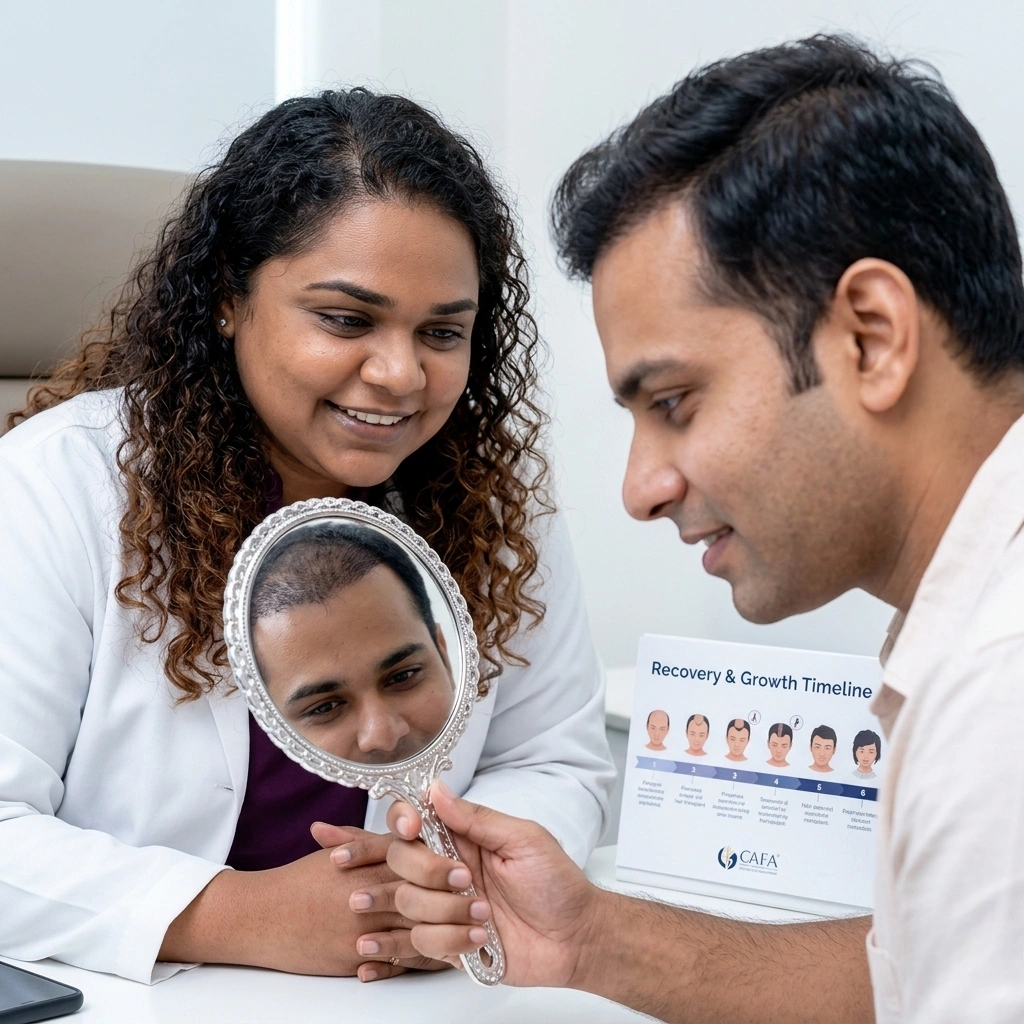
PRP is not a one-session cure and results are not instant. It is a gradual biological process - your body rebuilding and reactivating follicles over weeks and months. Most patients start noticing changes by session 3 and see peak results around 5–6 months after completing their full course.
Results vary based on your age, hair loss stage, underlying cause, and how consistently you complete your sessions. Here is an honest and realistic timeline of what Cleaura patients in Nagpur typically experience.
Hair fall begins to reduce and scalp feels healthier. No visible regrowth yet - this is the foundation phase. Some patients notice a brief increase in shedding around week 2–3. This is normal and temporary.
Visible reduction in daily shedding. Existing hair feels thicker and stronger. Many patients begin noticing fine baby hairs at the hairline - the first sign dormant follicles are responding.
New hair growth is visible at the hairline and thinning zones. Hair density is noticeably improving. Most patients at this stage report that people around them are beginning to notice the difference.
Peak results. Improved density, thickness, and hair volume across treated areas. Hair fall is significantly reduced or stopped. Results are typically most visible 6 months after completing the full course.
One maintenance session every 4-6 months sustains the results achieved during the active course. Skipping maintenance is the most common reason results fade - especially in patients with PCOS or genetic hair loss.
Individual results vary. The timeline above reflects what most Cleaura patients in Nagpur experience. Your results depend on your specific hair loss stage, scalp health, and how your body responds to treatment. Dr. Shruti will give you a realistic, personalised expectation at your free consultation - before you commit to anything.
Book Consultation with Dr. Shruti →Nagpur's extreme summer heat - peaking between 42°C and 47°C from April to June - directly worsens scalp inflammation and accelerates hair thinning in people who already have androgenetic or hormonal hair loss. PRP for hair thinning in Nagpur's heat works by counteracting this inflammation at the follicle level, delivering growth factors that protect weakening roots against the compounding effects of UV exposure, scalp sweating, and mineral-heavy tap water. Post-session care at Cleaura is specifically adjusted for summer months to ensure recovery is comfortable even in peak heat.
Have questions before booking? Here are honest answers to the most common things patients ask about PRP hair treatment in Nagpur - from cost and pain to results and safety.
No, not really. A numbing cream is applied to your scalp before the injections begin, so most patients feel only mild pressure or a slight pinch. Many of our Nagpur patients say it is far more comfortable than they expected - and significantly less painful than waxing or threading.
Most patients need 4–6 sessions spaced 3-4 weeks apart for the active course. After completing the initial course, one maintenance session every 4–6 months is usually enough to sustain results - especially for patients with ongoing hormonal triggers like PCOS or genetic hair loss.
PRP hair treatment in Nagpur at Cleaura costs approximately ₹3,500-₹6,000 per session depending on the protocol recommended. A full package of 4-6 sessions typically ranges from ₹15,000-₹35,000. Exact pricing is discussed transparently during your free consultation with Dr. Shruti - no hidden charges, no pressure to commit.
Most patients notice a visible reduction in hair fall within the first 2–3 sessions. New hair growth typically becomes visible around 3-4 months after starting treatment. Peak results are seen at around 6 months after completing the full course. Results continue to improve gradually - PRP is a biological process that works over weeks and months, not days.
PRP is very safe because it uses your own blood - there is no risk of allergic reaction or rejection. Mild redness and scalp tenderness for 24-48 hours after each session is completely normal and temporary. Rare side effects like minor swelling near the forehead or temples resolve on their own within 24 hours without any medication.
Absolutely. PRP is highly effective for women - especially for hormonal hair loss related to PCOS, thyroid imbalance , post-pregnancy hair fall , and female pattern hair thinning. Many of our Nagpur female patients see excellent results - particularly those who start treatment in the early stages of thinning.
Yes, PRP can be done in summer - but post-session care is adjusted for Nagpur's extreme heat. We recommend avoiding direct sun exposure on the scalp for 48–72 hours after each session and staying well hydrated. Many patients prefer starting their course post-monsoon (September–November) when the scalp is naturally hydrated and recovery is more comfortable.
They work differently. Minoxidil is a topical solution that must be used continuously - stopping it often reverses the results entirely. PRP stimulates your follicles' own biology, providing longer-lasting improvement without daily application. The two can also be used together for better outcomes - Dr. Shruti will advise whether a combined approach suits your specific hair loss pattern.
PRP (Platelet-Rich Plasma) concentrates your platelets and growth factors from blood - including some red and white blood cells. GFC (Growth Factor Concentrate) takes this further by isolating only the growth factors, removing the cellular components that can cause minor inflammation. GFC delivers a purer, more potent dose with less post-session redness and discomfort. Dr. Shruti will recommend the right protocol based on your hair loss stage and scalp sensitivity.
Yes - and it is strongly recommended. PRP used after a FUE hair transplant accelerates graft survival, reduces post-operative shedding, and improves the final density of the transplanted area. At Cleaura, PRP post-transplant is recommended for most patients as a recovery-enhancing protocol - beginning 2–4 weeks after the transplant procedure.
Most patients require 4–6 sessions for an active course - spaced 3–4 weeks apart. Patients with moderate to advanced hair loss or ongoing hormonal triggers may need 6–8 sessions. After the active course, one maintenance session every 4–6 months keeps results sustained long-term. Dr. Shruti confirms the exact session plan during your free consultation.
Yes - PRP is one of the most effective treatments for PCOS-related hair loss . While it cannot cure the underlying hormonal imbalance, it significantly reduces hair fall and stimulates regrowth in thinning areas. PCOS patients may require more sessions or regular maintenance due to ongoing hormonal activity - Dr. Shruti designs a protocol specifically for hormone-driven hair loss at Cleaura.
Cleaura Aesthetic Clinic is located at 2nd Floor, 91D, Sadhguru Metro Pole, 52, Karve Nagar Road, Fetri, Somalwada, Nagpur, Maharashtra 440025. You can reach us at +91 96996 44012 or book your free consultation online . We welcome patients from across Nagpur including Dharampeth, Civil Lines, Wardha Road, Sitabuldi, Amravati, and Wardha. Evening appointment slots are available for working professionals.
Get effective, non-surgical hair restoration with advanced PRP hair treatment at Cleaura Clinic, Nagpur. Whether it’s hair thinning, early-stage baldness, PCOS-related hair loss, or patchy hair fall - Dr. Shruti provides medically guided PRP therapy tailored to scalp condition, hair density, and growth goals.