Cleaura Clinic, Nagpur

Melasma Treatment in Nagpur - Expert Care for Dark Patches & Hormonal Pigmentation

Melasma is one of the most common yet stubborn skin concerns affecting women in Nagpur. If you've noticed brownish or greyish patches spreading across your cheeks, forehead, upper lip, or nose - you're not alone. At Cleaura Clinic, Nagpur's trusted skin and aesthetic centre, we offer advanced, personalised melasma treatment designed specifically for Indian skin tones. Whether your melasma is triggered by hormones, pregnancy, sun exposure, or genetics — we have a solution that works.

Book Free Consultation +91 9699644012

Last medically reviewed: May 2026 by Dr. Shruti Gunashekhar

Understanding Melasma

What Is Melasma?

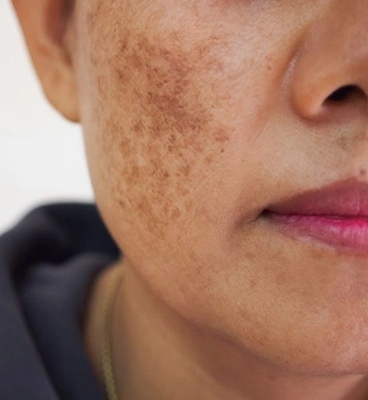
Melasma is a form of hyperpigmentation where your skin produces excess melanin - the pigment that gives skin its colour - leading to dark patches on sun-exposed areas of the face. It is not harmful, but it can deeply affect your confidence and self-image.

In Nagpur's hot, sun-intense climate, melasma is especially common and without proper treatment, it tends to worsen over time.

Common areas where melasma appears:

  • Cheeks
  • Forehead
  • Upper lip (above the mouth)
  • Bridge of the nose
  • Chin
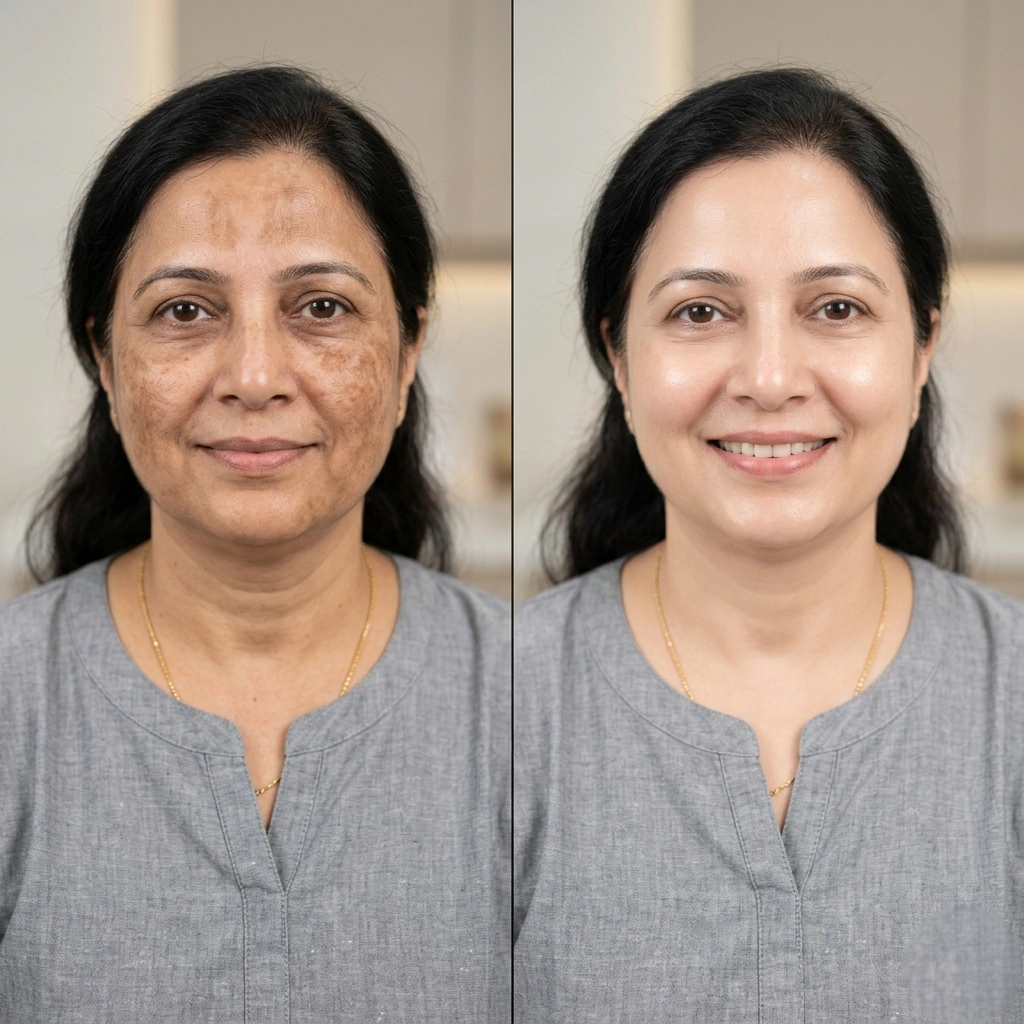
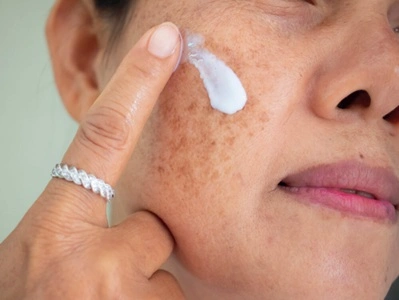
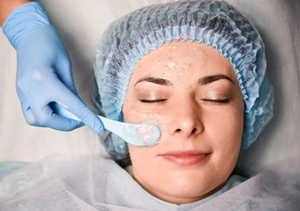
Hormonal melasma on face in Indian women — Cleaura Nagpur

Did you know? Over 90% of melasma patients are women, and Indian skin types (Fitzpatrick III–V) are among the most susceptible worldwide. Nagpur's intense year-round UV radiation makes melasma not just common here - it makes it faster to worsen without proper treatment and sun protection.
Root Causes

Why Do You Get Melasma?

Understanding your trigger is the first step toward lasting results. At Cleaura Clinic, we don't just treat what you see — we identify why it happened.

01

Hormonal Changes

Fluctuating estrogen and progesterone levels directly stimulate melanin production. This is why melasma is so common in women taking birth control pills, undergoing hormone replacement therapy, or experiencing thyroid imbalances. Without addressing the hormonal root cause alongside topical treatment, pigmentation tends to return.

02

Pregnancy (Chloasma)

Often called the "mask of pregnancy," melasma during pregnancy is extremely common among Indian women. Hormonal surges cause patches to appear on the face. Our pregnancy-safe treatment protocols are gentle, effective, and doctor-supervised — avoiding Hydroquinone and aggressive laser procedures entirely.

03

Sun Exposure in Nagpur's Climate

Nagpur receives intense UV radiation throughout the year. Even brief unprotected sun exposure can trigger or worsen existing melasma patches — making SPF an absolute non-negotiable part of treatment. Every Cleaura patient receives a personalised photoprotection plan alongside their clinical treatment.

04

Genetics

If your mother or sister has melasma, your risk is significantly higher. Genetic predisposition affects how your skin reacts to hormonal shifts and sunlight. A family history of melasma means preventive sun protection and early intervention matter even more for lasting results.

05

Cosmetics and Skin Irritants

Harsh skincare products, over-exfoliation, or allergic reactions can trigger post-inflammatory pigmentation that mimics or worsens melasma. Using the wrong skincare routine on top of an existing melasma condition often makes it worse — particularly with products that irritate or sensitise Indian skin tones.

06

PCOS and Thyroid Imbalances

Polycystic Ovarian Syndrome (PCOS) and thyroid disorders are extremely common among women in Nagpur and both can directly drive melasma through hormonal disruption. PCOS-related pigmentation requires a treatment plan that addresses the underlying hormonal imbalance — not just the skin surface.

Melasma Diagnosis

Types of Melasma We Treat at Cleaura

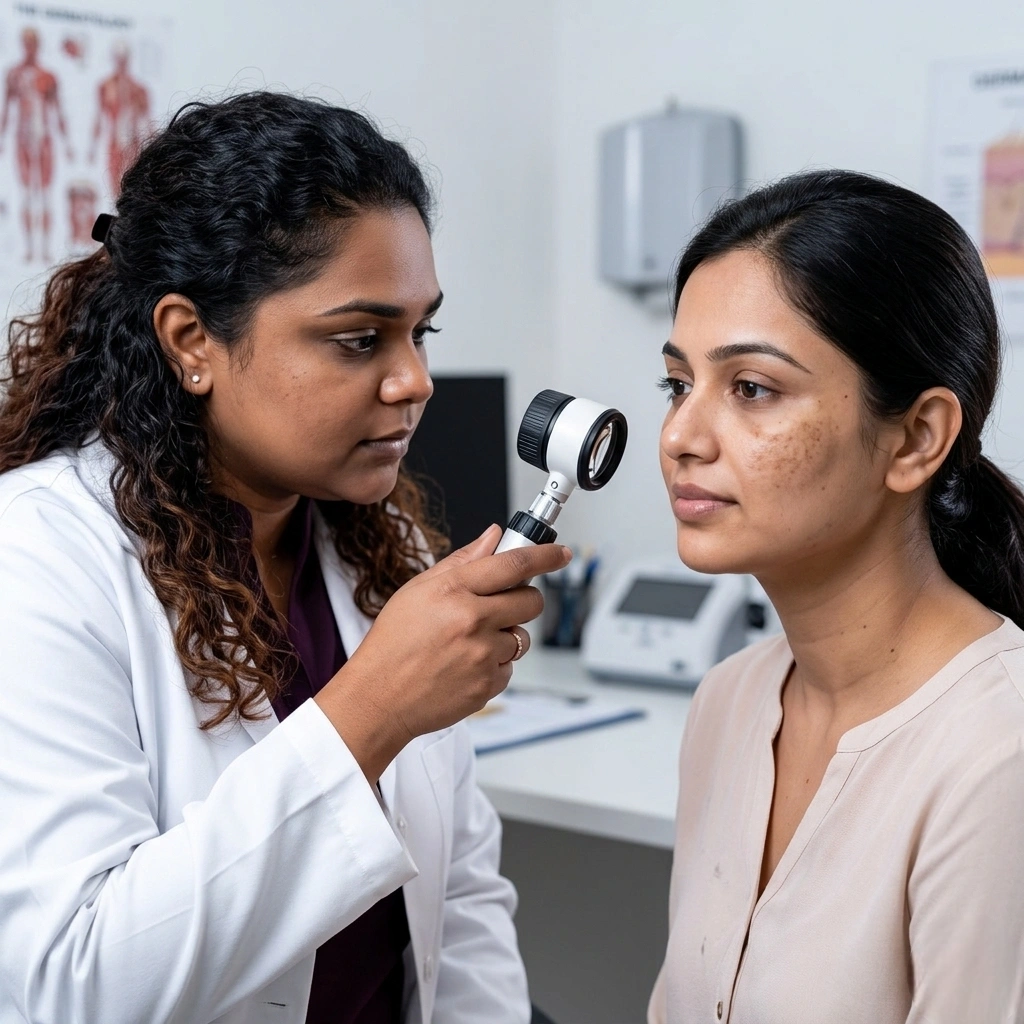
Before beginning any treatment, our melasma specialist in Nagpur performs a thorough skin assessment including Wood's Lamp examination and dermatoscopy where needed to identify the exact type and depth of your pigmentation. The wrong treatment for the wrong melasma type produces minimal results.

Type 01
Epidermal Melasma

This type affects only the uppermost layer of skin. It typically appears as a sharper, clearly defined brown patch and responds well to topical treatments and superficial chemical peels. This is the most straightforward type to treat and shows the fastest response to clinical intervention.

Depth: Upper skin layer only
Appearance: Sharp, brown-coloured patches
Type 02
Dermal Melasma

Pigment sits in the deeper dermis, often appearing as a grey-brown or bluish tone rather than a sharp brown. This type requires more targeted treatments such as Q-Switched Nd:YAG laser or microneedling with brightening serums. It is slower to respond and requires more sessions than epidermal melasma.

Depth: Deep dermis
Appearance: Grey-brown or bluish tone
Type 03
Mixed Melasma

A combination of both epidermal and dermal involvement. Most cases in Nagpur fall into this category, requiring a multi-layered treatment protocol that addresses both the surface and the deeper pigment simultaneously. A combination approach gives the best results for mixed melasma.

Depth: Both epidermal and dermaly
Appearance: Variable tone and sharpness

Why diagnosis before treatment matters: Applying a superficial peel to dermal melasma produces minimal improvement. Using aggressive laser on epidermal melasma risks rebound pigmentation. Wood's Lamp analysis at Cleaura Clinic tells us exactly which type you have — before a single treatment begins.

Understand the Difference

Melasma vs Other Types of Pigmentation - What Makes Melasma Different?

Many people assume all facial pigmentation is the same, but melasma behaves very differently from regular tanning, acne marks, freckles, or post-inflammatory pigmentation. Understanding the difference is important because melasma requires a far more careful and long-term treatment approach.

At Cleaura Clinic, Dr. Shruti first identifies exactly what type of pigmentation you have before recommending any treatment because treating melasma incorrectly can actually worsen it.

Melasma: Usually appears as symmetrical brown or grey-brown patches on the cheeks, forehead, upper lip, and chin. Strongly linked to hormones, sun exposure, thyroid imbalance, pregnancy, and genetics. Common in Indian women aged 25–45.

Post-Inflammatory Hyperpigmentation (PIH): Dark marks left after acne, injury, burns, or inflammation. Unlike melasma, PIH usually appears exactly where the skin was previously damaged or inflamed.

Sun Tan and Sun Damage: Caused mainly by UV exposure and heat. Tanning usually affects exposed areas evenly and improves faster than melasma when sun protection and skin treatments are started.

Freckles and Age Spots: Freckles are genetic and become darker with sun exposure, while age spots develop gradually due to long-term UV damage. These are more localised and defined compared to melasma patches.

Hormonal Pigmentation: Melasma itself is often considered a hormonal pigmentation disorder because hormones play a major role in triggering excess melanin production — especially during pregnancy or while using contraceptive pills.

Key Difference: Most pigmentation conditions improve relatively quickly once the trigger is removed. Melasma is more chronic, relapse-prone, and highly sensitive to sun and heat — which is why it requires a specialised maintenance-focused treatment plan.

At Cleaura Clinic Nagpur, Dr. Shruti uses clinical examination, skin analysis, and detailed history-taking to differentiate melasma from other pigmentation disorders before starting treatment. This accurate diagnosis is one of the biggest reasons why patients avoid worsening pigmentation and achieve safer long-term results.

Treatment Options

Melasma Treatment Options at Cleaura Clinic, Nagpur

We never use a one-size-fits-all approach. Your skin type, pigmentation depth, lifestyle, and medical history all shape the plan we build for you. Dr. Shruti Gunashekhar provides the full spectrum of melasma and pigmentation treatment in Nagpur from prescription creams to laser.

01
Prescription Topical Creams - Melasma Cream Treatment Nagpur

Best for: All melasma types - as the foundation of every treatment plan

Medical-grade depigmenting agents like Tranexamic Acid, Azelaic Acid, Kojic Acid, Niacinamide, and Retinoids are prescribed in customised combinations. These work by blocking melanin production and promoting faster skin cell turnover. Safe, gradual, and effective - especially as a foundation for all other treatments. Unlike over-the-counter brightening products, these are prescribed at clinical concentrations after assessing your exact skin type and melasma depth.

Visible Improvement 6–12 weeks
|
Downtime None
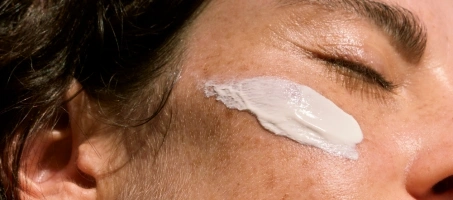
Melasma cream treatment with Tranexamic Acid and Azelaic Acid at Cleaura Clinic Nagpur
02
Chemical Peels for Melasma

Best for: Epidermal and mixed melasma surface pigmentation removal

We use skin-appropriate peels including Mandelic Acid, Glycolic Acid, Yellow Peel, and Lactic Acid - to gently exfoliate pigmented skin cells and stimulate the growth of fresh, even-toned skin. Sessions are spaced 3–4 weeks apart and customised based on your Fitzpatrick skin type to avoid rebound pigmentation. This is one of the safest options for Indian skin tones when performed at appropriate concentrations by a trained specialist.

Sessions 4–6
|
Interval 3–4 weeks
|
Downtime 1–3 days
Chemical peel for melasma treatment at Cleaura Clinic Nagpur
03
Melasma Laser Treatment in Nagpur - Q-Switched Nd:YAG

Best for: Dermal and mixed melasma deep pigment deposits

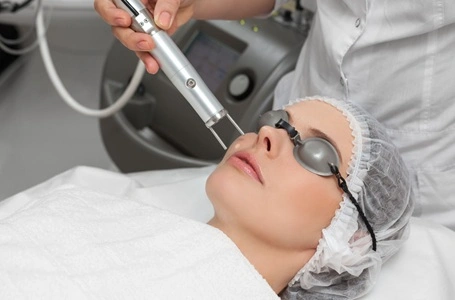
For deeper or resistant melasma, laser therapy offers excellent results when done by a trained melasma specialist. At Cleaura, we use Q-Switched Nd:YAG laser - a gold-standard technology that targets melanin deposits in deeper skin layers without damaging the surrounding skin. Ideal for dermal and mixed melasma. Typically 4–8 sessions are recommended. Proper pre-treatment assessment and Indian-skin-appropriate laser settings are essential to avoid post-inflammatory hyperpigmentation (PIH).

Sessions 4–8
|
Downtime 2–3 days
|
Results 3–6 months
Melasma laser treatment session at Cleaura Clinic Nagpur
04
Oral and IV Tranexamic Acid

Best for: Hormonal melasma, PCOS-related pigmentation, pregnancy-related melasma

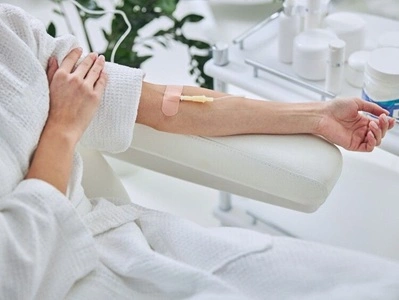
One of the most clinically significant advances in melasma treatment in recent years. Oral Tranexamic Acid works systemically to suppress melanin overproduction — making it particularly effective for hormonal melasma and pregnancy-related pigmentation. Always prescribed and supervised by a doctor at Cleaura. This is not available over the counter and should only be used under medical supervision with appropriate dosing and monitoring.

Results Visible 8–12 weeks
|
Downtime None
Oral Tranexamic Acid for hormonal melasma treatment at Cleaura Nagpur
05
Microneedling with Brightening Serums

Best for: Stubborn melasma not responding to creams alone - dermal pigment delivery

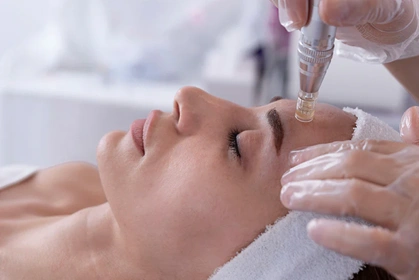
Micro-channels created in the skin allow deeper penetration of Vitamin C, Glutathione, or Tranexamic Acid directly into the dermis. This combination is especially effective for stubborn melasma that hasn't responded to topical creams alone. Safe for Indian skin tones and an excellent option for patients who want gradual, progressive improvement without laser downtime.

Sessions 4–6
|
Downtime 1–2 days
|
Results 2–4 months
Microneedling with Vitamin C and Glutathione for melasma at Cleaura Nagpur
06
Sunscreen and Photoprotection Protocol

Essential for: Every melasma patient - non-negotiable alongside any clinical treatment

No melasma treatment works long-term without daily, disciplined sun protection. At Cleaura, every patient receives a personalised photoprotection plan including SPF 50+ broad-spectrum sunscreen, antioxidant serums, and lifestyle guidance tailored to Nagpur's climate. Skipping sunscreen will undo even the best clinical results within weeks of sun exposure. This is not optional — it is the foundation of every melasma treatment plan we build.
Frequency Daily - year-round
|
SPF 50+ broad-spectrum
Sunscreen and photoprotection protocol for melasma treatment at Cleaura Nagpur
Treatment Comparison

Melasma Treatment Comparison - Cleaura Clinic Nagpur

Treatment Best Melasma Type Sessions / Timeline Downtime Indian Skin Safety
Prescription Topical Creams All types — foundational 6–12 weeks continuous None Safe for all skin tones
Chemical Peels Epidermal, mixed (surface) 4–6 sessions, 3–4 wks apart 1–3 days With Fitzpatrick-appropriate peel
Q-Switched Nd:YAG Laser Dermal, mixed, resistant 4–8 sessions 2–3 days With skin-tone-specific settings
Oral Tranexamic Acid Hormonal, PCOS, pregnancy 8–12 weeks to results None Doctor-supervised only
Microneedling + Brightening Stubborn, cream-resistant 4–6 sessions 1–2 days Safe for all Indian skin tones
Combination Protocol Mixed / severe / chronic Customised — 3–9 months Varies Fully customised
Special Care for Women

Melasma Treatment for Women in Nagpur

Over 90% of melasma patients are women. We understand how much this condition can affect your confidence - whether you're a new mother, a working professional, or someone who has tried everything without lasting results. Cleaura offers a safe, judgment-free space where your skin concerns are heard and addressed with clinical precision.

💛

Melasma is not just a cosmetic concern - it affects how you feel about yourself every morning. At Cleaura Clinic, Dr. Shruti treats every melasma patient with the clinical thoroughness and personal care the condition deserves. Book your consultation today.

Book a Free Melasma Assessment

Hormone-aware treatment planning - addressing estrogen, progesterone, and thyroid-related triggers

Pregnancy-safe protocols - no harsh chemicals, no aggressive lasers during pregnancy

Guidance on skincare routines compatible with breastfeeding

Combination treatment for PCOS-related pigmentation - addressing hormonal root cause

Tailored protocols for women on birth control pills or hormone replacement therapy

Post-delivery peel programs once breastfeeding concludes - for lasting clearance

Maintenance plans to prevent recurrence - particularly around future pregnancies or hormonal changes

Hormonal Melasma

Hormonal Melasma Treatment in Nagpur

Hormonal melasma is the most common type we see at Cleaura. It's triggered by estrogen and progesterone and without addressing the hormonal root cause alongside topical treatment, pigmentation tends to return even after successful fading.

PCOS-related melasma and thyroid-driven pigmentation are increasingly common in Nagpur's young working women and require a treatment approach that goes beyond topical creams.

Key insight: Hormonal melasma treated with topical creams alone almost always returns. At Cleaura, we combine Oral Tranexamic Acid, prescription topicals, and trigger avoidance counselling for outcomes that last - not just while you're applying the cream.

Step 01

Detailed Hormonal History Assessment

Dr. Shruti reviews your contraceptive history, menstrual regularity, thyroid status, and PCOS indicators before recommending any treatment. This step is what most general clinics skip and it's why their melasma treatments fail to last.

Step 02

Oral Tranexamic Acid Therapy

Where appropriate, Oral Tranexamic Acid is prescribed to suppress melanin overproduction systemically. This is the most effective treatment for hormonally-driven melasma and shows visible results within 8–12 weeks under medical supervision.

Step 03

Topical Prescription Protocol

Customised topical combinations using Azelaic Acid, Kojic Acid, Niacinamide, and Retinoids - prescribed based on your skin type and tolerance, not a generic formula.

Step 04

Trigger Avoidance and Maintenance

Counselling on OCP changes, thyroid monitoring, and long-term maintenance plans - because lasting clearance requires understanding and managing your triggers, not just treating the patches.

Pregnancy Melasma

Melasma During Pregnancy - Safe Treatment in Nagpur

Pregnancy melasma also called chloasma or "the mask of pregnancy" - fades partially after delivery for many women. But for others, it lingers or worsens with each subsequent pregnancy.

At Cleaura, our melasma doctor in Nagpur designs pregnancy-safe treatment protocols that avoid harmful ingredients like Hydroquinone (restricted during pregnancy) and aggressive laser procedures.

Gentle Azelaic Acid and Vitamin C topicals - safe throughout pregnancy

Broad-spectrum SPF 50+ physical sunscreens - daily use essential

Post-delivery peels once breastfeeding concludes - for deep clearance

Hydroquinone, Retinoids, and aggressive lasers - strictly avoided during pregnancy

Always safe. Always supervised. Every treatment decision during pregnancy is made with your and your baby's safety as the absolute priority - never compromised for speed of results.

Transparent Pricing

Cost of Melasma Treatment in Nagpur

Let's be straightforward — melasma treatment cost in Nagpur depends on what type of melasma you have, how deep the pigmentation sits, and which treatments your skin actually needs. There is no fixed package price that works for every patient.

Here is an honest estimate based on current Nagpur market pricing. Your exact cost is shared after Dr. Shruti examines your skin at your free consultation — no hidden charges, no pressure to commit.

Treatment Estimated Cost in Nagpur Best For
Prescription Topical Creams ₹800 – ₹2,500 per month All melasma types — foundational treatment
Chemical Peel for Melasma ₹1,500 – ₹4,000 per session Epidermal and mixed melasma, surface pigment
Q-Switched Nd:YAG Laser ₹3,000 – ₹7,000 per session Dermal and resistant melasma
Oral Tranexamic Acid ₹500 – ₹1,500 per month Hormonal melasma, PCOS-related pigmentation
Microneedling + Brightening Serums ₹3,500 – ₹6,000 per session Stubborn melasma not responding to creams
Full Combination Protocol ₹15,000 – ₹50,000 for complete course Mixed or severe melasma — multiple treatments together

Note: These are estimated price ranges based on Nagpur market rates. Final pricing depends on your melasma type, depth, number of sessions needed, and the treatment plan Dr. Shruti recommends after your skin assessment. A complete cost breakdown is provided at your free consultation — before you commit to anything.

What Affects the Cost of Melasma Treatment?

Type and depth of melasma — Epidermal melasma costs far less to treat than deep dermal or mixed melasma. Deeper pigment needs laser, which costs more per session than peels.

Number of sessions required — Mild surface patches may clear in 4–5 peel sessions. Severe chronic melasma can require a 6–9 month combination plan with multiple treatment types.

Hormonal trigger management — Patients with active hormonal causes (PCOS, thyroid imbalance) need oral therapy alongside topical treatment, adding to the overall plan cost but dramatically improving results.

Single vs combination treatment — Patients with one melasma type may need only creams and peels. Mixed melasma almost always needs a combination of two or three treatments — which delivers far better results but a higher total cost.

Maintenance after clearance — Melasma is chronic. Periodic maintenance sessions every 3–6 months after your primary treatment course are a small ongoing cost that prevents expensive retreatment later.

Specialist qualification — A board-certified aesthetic physician using medical-grade clinical equipment charges more than a general salon or skin clinic. For Indian skin tones, wrong laser settings cause PIH that costs more to correct than the original treatment.

Treatment Timeline

How Many Sessions Will You Need?

Every case is different, but here is a general guide. Melasma is a chronic condition meaning long-term maintenance is key to keeping it controlled. At Cleaura, we stay with you through that journey.

Topical Creams
Visible improvement in 6–12 weeks with consistent daily use
Foundation
Chemical Peels
4–6 sessions spaced 3–4 weeks apart
Epidermal
Laser Sessions
4–10 sessions depending on pigment depth
Dermal
Oral Tranexamic Acid
Results typically visible within 8–12 weeks
Hormonal
Microneedling
4–6 sessions for stubborn dermal pigment
Stubborn
Maintenance
Ongoing SPF + periodic maintenance to prevent recurrence
Chronic
Combination Protocol
3–9 months for mixed or resistant melasma combining peels, laser, and oral therapy
Severe / Mixed

Important: Melasma is a chronic condition - not a one-time cure. Patients who achieve significant clearance and maintain their results do so through consistent sun protection, periodic maintenance sessions, and ongoing skincare. Dr. Shruti builds this into every treatment plan from day one.

Why Choose Cleaura

What Sets Cleaura Apart for Melasma Treatment in Nagpur?

Led by Dr. Shruti Gunashekhar - Singapore-Trained Hair Transplant Surgeon and Canadian Board-Certified Aesthetic Physician - with specialist expertise in treating Indian skin tones safely and effectively.

Skin-type specific protocols designed for Fitzpatrick III–V Indian skin - we understand how darker skin tones respond differently to every treatment

No off-the-shelf, generalised plans - every patient gets a customised protocol built around their specific pigmentation type and lifestyle

Wood's Lamp skin analysis to identify pigment depth before any treatment is recommended

Combination approach for faster, more lasting results - addressing surface and deep pigment simultaneously

Pregnancy-safe and hormone-aware protocols - not just generic "safe" alternatives

Ongoing maintenance care to prevent pigmentation from returning - we stay with you through the full journey

Transparent consultation - we tell you exactly what to expect, when to expect it, and what it costs before anything begins

Serving patients from Somalwada, Dharampeth, Wardha Road, Dhantoli, Ramdaspeth, Civil Lines, Karve Nagar, Sitabuldi and across Nagpur

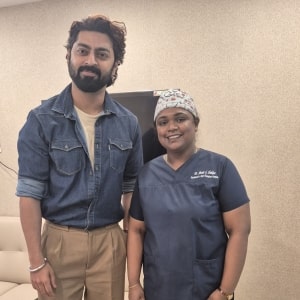
Dr. Shruti Gunashekhar — melasma specialist at Cleaura Clinic Nagpur
Results

Melasma Treatment Results at Cleaura Clinic

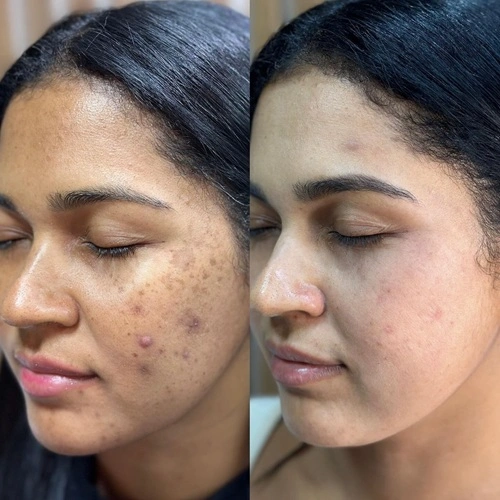
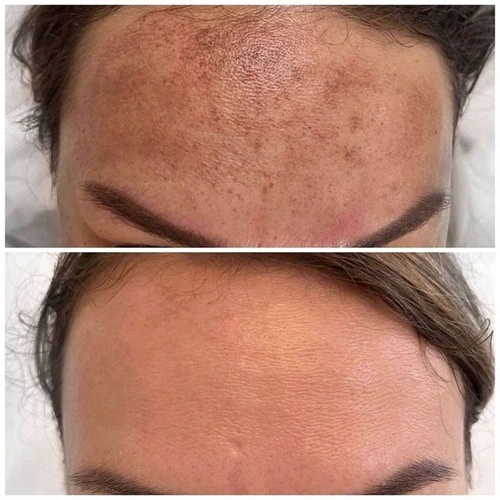
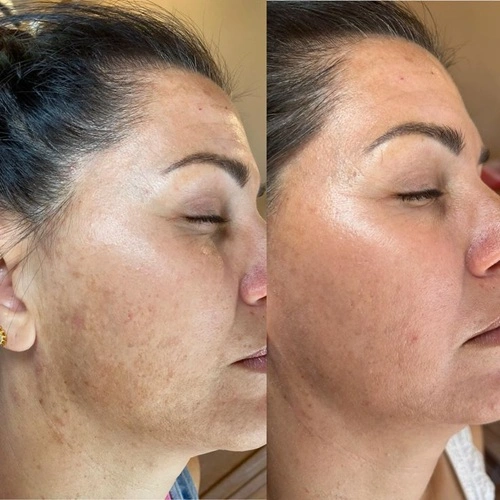
Real patients, real results — treated with personalised melasma protocols at Cleaura Clinic, Nagpur.

Melasma treatment before and after results at Cleaura Clinic Nagpur
Hormonal melasma treatment results on Indian skin at Cleaura Nagpur
Melasma on face treatment before after photo Cleaura Clinic Nagpur
Melasma laser treatment results at best clinic in Nagpur
Our Process

How Melasma Treatment Works at Cleaura Clinic, Nagpur

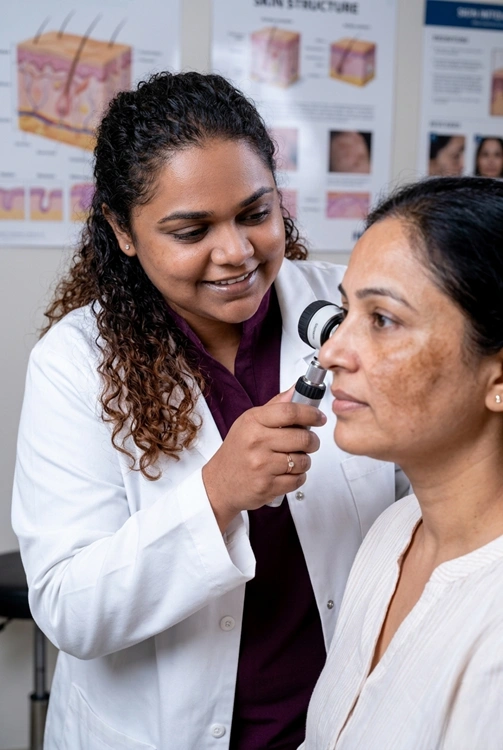
Wood's Lamp skin analysis for melasma at Cleaura Clinic Nagpur
01

Skin Analysis & Wood's Lamp

Dr. Shruti performs Wood's Lamp examination and dermatoscopy to assess your melasma type — epidermal, dermal, or mixed — before recommending any treatment.

Melasma trigger identification and cause diagnosis at Cleaura Clinic Nagpur
02

Trigger Identification

Hormonal history, sun habits, contraceptive use, PCOS, thyroid status — all reviewed to identify your specific melasma trigger before building your plan.

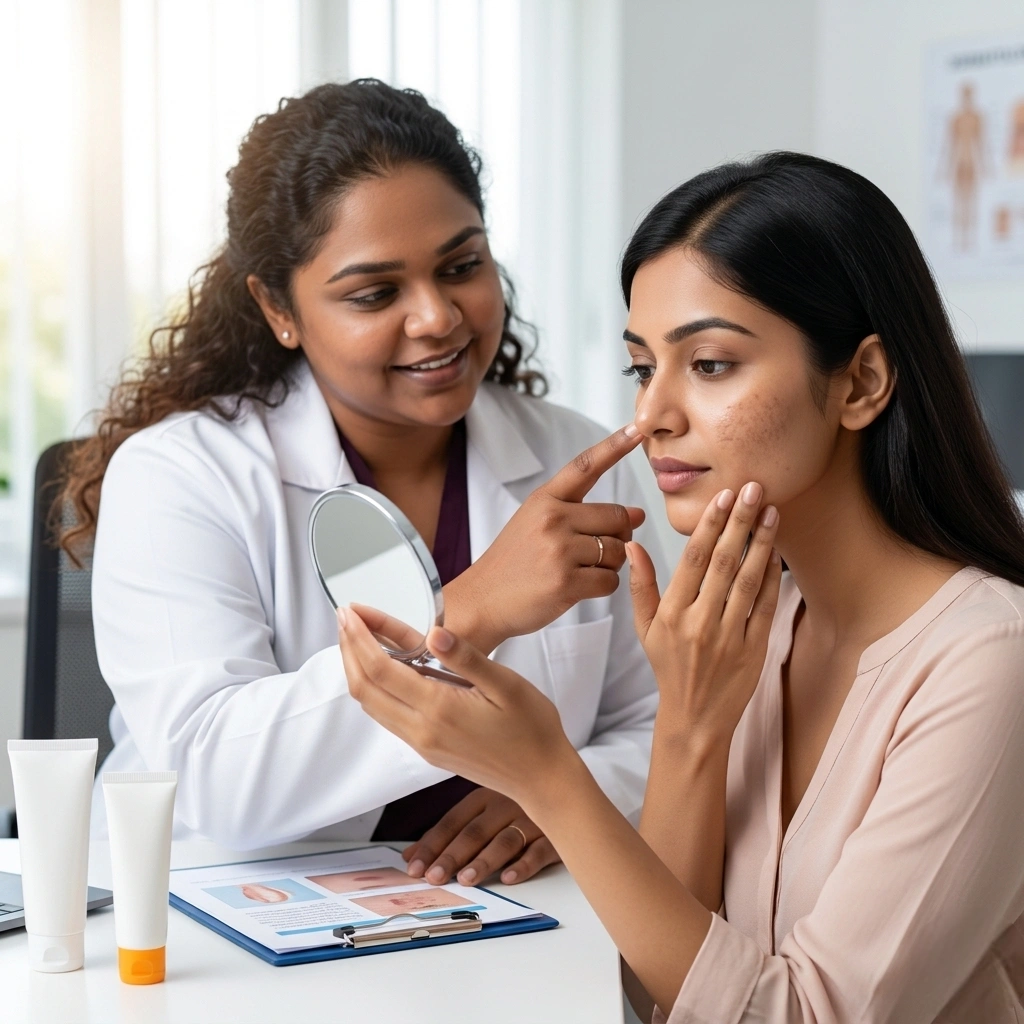
Personalised melasma treatment plan at Cleaura Clinic Nagpur
03

Personalised Treatment Plan

A combination protocol built for your melasma type, depth, skin tone, and triggers — with full clarity on treatments, timeline, expected outcomes, and cost.

Melasma treatment follow-up and maintenance at Cleaura Clinic Nagpur
04

Treatment & Maintenance

In-clinic sessions at Cleaura Clinic, with follow-up photography to track progress and a long-term maintenance plan to prevent recurrence.

Common Questions

Frequently Asked Questions

Have more questions? Dr. Shruti Gunashekhar's team is available for a personalised consultation to address your specific melasma concerns.

Q1. Is melasma treatment permanent?

+

Melasma can be significantly faded and controlled, but it is a chronic condition. With consistent sun protection and periodic maintenance, long-term clearance is achievable. Without ongoing care, melasma can return — especially with sun exposure or hormonal changes like starting or stopping birth control, or during subsequent pregnancies. At Cleaura Clinic, we build a long-term maintenance plan into every treatment programme from the start.

Q2. Which is the best treatment for melasma on face in Nagpur?

+

The best treatment depends on the type and depth of your melasma. Most patients benefit from a combination approach — topical prescription creams as a foundation, chemical peels for surface pigment, and Q-Switched Nd:YAG laser for deeper or resistant melasma — all customised for Indian skin. At Cleaura Clinic, Nagpur, we perform Wood's Lamp analysis to assess your specific pigmentation type before recommending any treatment. There is no universal "best" — what works best is what's built around your exact skin.

Q3. Is laser treatment safe for melasma on Indian skin?

+

Yes — when done by a trained melasma specialist using the right laser (Q-Switched Nd:YAG) at Indian-skin-appropriate settings. The key risk with laser on darker Indian skin tones (Fitzpatrick III–V) is post-inflammatory hyperpigmentation (PIH) — where the treated area darkens rather than lightens if the wrong settings are used. At Cleaura Clinic, Dr. Shruti uses skin-tone-specific laser parameters, pre-treatment priming, and carefully timed sessions to ensure safe treatment without PIH.

Q4. Can melasma come back after treatment?

+

Yes, melasma can recur with sun exposure, hormonal changes (like starting or stopping birth control), or pregnancy. This is not a treatment failure — melasma is a chronic condition with known triggers. The goal of treatment at Cleaura is significant, lasting fading combined with a maintenance strategy that keeps it controlled over time. Patients who maintain daily SPF use and attend periodic maintenance sessions are far less likely to see significant recurrence.

Q5. What is the cost of melasma treatment in Nagpur?

+

The cost depends on the type of treatment chosen — topical creams, peels, or laser sessions — and the number of sessions required for your specific melasma type and severity. At Cleaura Clinic, we provide a detailed, transparent cost breakdown after your initial consultation, with no hidden charges. Book a free consultation to get a personalised estimate based on your actual skin assessment.

Q6. Is melasma treatment safe during pregnancy?

+

Certain treatments are safe during pregnancy — specifically Azelaic Acid, Vitamin C topicals, and broad-spectrum physical sunscreens. Treatments involving Hydroquinone, Retinoids, aggressive laser procedures, or chemical peels at medium depth are avoided during pregnancy. Our melasma doctor in Nagpur provides pregnancy-safe protocols tailored to your stage of pregnancy and your specific pigmentation — always prioritising your safety and your baby's safety above treatment speed.

Q7. How do I know which type of melasma I have?

+

You can't reliably identify your melasma type by looking at it yourself. A trained melasma specialist identifies the type and depth of your pigmentation using a Wood's Lamp examination or dermatoscopy. Epidermal melasma shows clearly under Wood's Lamp; dermal melasma does not — which tells us immediately which treatment approach will work. This diagnostic step is the first thing Dr. Shruti does at every melasma consultation at Cleaura Clinic.

Q8. How long does melasma treatment take to show results?

+

Results vary by treatment type. Topical creams show visible improvement in 6–12 weeks with consistent use. Chemical peels produce noticeable fading after 3–4 sessions. Laser treatment results build progressively over 3–6 months. Oral Tranexamic Acid typically produces visible systemic improvement within 8–12 weeks. Most patients see meaningful change within the first 2–3 months of a structured combination plan. Dr. Shruti gives you realistic, treatment-specific timelines at your consultation — not aspirational claims.

Q9. Why does my melasma keep coming back even after treatment?

+

The most common reasons melasma returns after treatment are: inconsistent or absent sunscreen use (even brief daily UV exposure re-stimulates melanin), an unaddressed hormonal trigger (like ongoing OCP use, PCOS, or thyroid imbalance), treatment that only addressed the surface pigment without tackling dermal or hormonal components, and stopping treatment too early without a maintenance plan. At Cleaura Clinic, we specifically address all three — the pigment, the trigger, and the maintenance — so results last rather than just temporarily fading.

Q10. Can men get melasma?

+

Yes, though rare. Melasma primarily affects women, but men can develop it too — usually due to sun exposure and genetic predisposition. In Nagpur, men in outdoor occupations with high daily UV exposure are the most common male melasma patients. The treatment approach for male melasma at Cleaura follows the same assessment-first protocol — identifying type, depth, and trigger before recommending a treatment plan.

Explore More at Cleaura

Other Skin and Hair Treatments at Cleaura Nagpur

Dealing with more than just pigmentation? Explore our other skin and hair care solutions.

Ready to Finally Address Your Melasma?

Don't let dark patches hold you back. Book a consultation with our melasma specialist at Cleaura Clinic, Nagpur, and get a personalised treatment plan built around your skin, your triggers, and your goals. The first step is a free consultation - no pressure, just an honest assessment of your melasma and what treatment can realistically achieve for you.

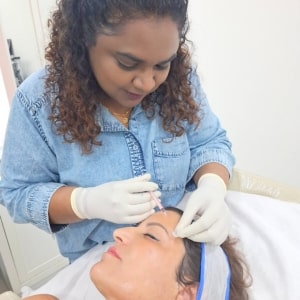
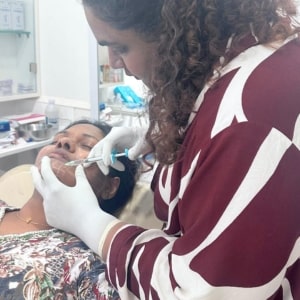
Cleaura Clinic treatment gallery – patient care in Nagpur
CMF surgery and aesthetic treatment results at Cleaura Clinic Nagpur
Skin and hair treatment outcomes at Cleaura Clinic Nagpur
Patient transformation at Cleaura Clinic – CMF and aesthetic care
Before and after care at Cleaura Clinic Nagpur
Advanced facial treatment at Cleaura Clinic Nagpur
Dr. Shruti Gunashekhar's clinic and patient care gallery
Cleaura Clinic Nagpur – facial surgery and wellness gallery
Call Now WhatsApp Book Appointment