Home Baldness Treatment in Nagpur
Cleaura Clinic, Nagpur

Baldness Treatment in Nagpur

Noticing your hairline slowly moving back? A thinning crown you once managed to hide? Or bald patches that no longer go unnoticed? Baldness affects millions of men and women across India - and in Nagpur, where heat, hard water and stress compound the problem, it progresses faster than most people expect. At Cleaura Clinic, Dr. Shruti Gunashekhar identifies the exact type and stage of your baldness and builds a targeted treatment plan - whether that means non-surgical hair regrowth therapy or precision FUE hair transplant surgery.

Book Free Consultation +91 9699644012
Understanding Baldness

What is Baldness?

Baldness - medically known as androgenetic alopecia or pattern baldness - is the gradual, progressive loss of hair from the scalp caused by a genetic sensitivity to a hormone called DHT (dihydrotestosterone). DHT is derived from testosterone and causes hair follicles to miniaturise - shrinking them slowly until they stop producing visible hair altogether.

In men, this typically follows a predictable pattern: a receding hairline at the temples, thinning at the crown and eventually a larger bald area that spreads across the top of the scalp. In women, baldness most commonly shows as diffuse thinning across the crown without a receding frontal hairline.

Baldness is not just a cosmetic problem - it affects self-confidence, professional appearance and mental well-being. The earlier it is treated, the better the outcome. Treatments that work well at Norwood Grade 2 or 3 may have limited effect at Grade 6 or 7.
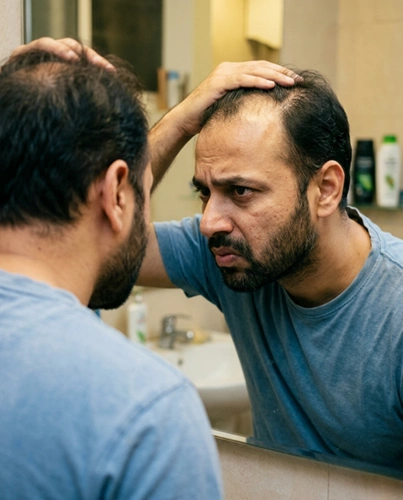
What is baldness — androgenetic alopecia explained by hair specialist Cleaura Clinic Nagpur

Did you know? Over 50% of Indian men show signs of androgenetic alopecia by the age of 50. In cities like Nagpur with extreme heat, hard water and high-stress lifestyles, pattern baldness often begins showing as early as age 22–25.
Baldness vs Hair Fall

Are They the Same?

Many patients confuse the two. They are different conditions - and may require different treatments. You may even have both simultaneously.

Feature Hair Fall Baldness
What you notice More hair in drain/comb Thinning density, smaller coverage
Pattern Diffuse, all over Temples, crown - specific zones
Reversibility Often temporary Progressive without treatment
Root Cause Stress, nutrition, illness Genetic DHT sensitivity
Urgency See specialist if 3+ months See specialist immediately

If you are experiencing both thinning and increased shedding - you may have both conditions occurring simultaneously. Hair fall treatment at Cleaura Clinic is designed to address the shedding while baldness treatment targets the underlying miniaturisation.

Grading Your Baldness

The Norwood Scale - Which Grade Are You?

Male pattern baldness is classified on the Norwood Scale from Grade 1 to Grade 7. Your grade determines which treatments are appropriate - and how urgent intervention is.

1 No Loss
Full hairline. No visible recession.
Preventive
2 Early
Slight recession at temples. Barely noticeable.
Ideal time
3 Moderate
Deeper temples + early crown thinning begins.
PRP / GFC
4 Significant
Clear hairline loss. Crown thinning noticeable.
Combined Rx
5 Advanced
Band separating front and crown shrinks.
FUE advised
6 Extensive
Front and crown baldness merge into one.
FUE required
7 Complete
Only a horseshoe fringe of hair remains.
FUE + Medical
Root Causes

Common Causes of Baldness

Dr. Shruti identifies the root cause of your baldness before recommending any treatment plan - because the right treatment depends entirely on the right diagnosis.

01

Androgenetic Alopecia - DHT and Genetics

The most common cause of baldness in both men and women. Dihydrotestosterone (DHT) binds to receptors in scalp follicles genetically programmed to be sensitive to it, causing those follicles to shrink progressively. This is why baldness runs in families - and why it follows a predictable pattern on the scalp. If your father or maternal grandfather experienced early baldness, your risk is significantly elevated.

02

Hormonal Imbalances

Thyroid disorders (both hypothyroidism and hyperthyroidism), PCOS in women, insulin resistance and elevated androgens can all accelerate or trigger baldness. In Nagpur, PCOS-related hair thinning and hormonal baldness in women under 30 is increasingly common. A blood test panel is essential before starting treatment to rule out correctable hormonal triggers.

03

Nutritional Deficiencies

Deficiencies in iron, ferritin, Vitamin D, Vitamin B12, zinc and biotin directly impair hair follicle function and can trigger or worsen pattern baldness. These are extremely common in young working adults in Nagpur, especially those with irregular diets or vegetarian lifestyles. Correcting nutritional deficiencies alongside clinical baldness treatment significantly improves outcomes.

04

Chronic Stress and Telogen Effluvium

Severe or prolonged stress can trigger telogen effluvium - a condition where up to 30% of scalp hair shifts into the resting (shedding) phase simultaneously, causing sudden diffuse hair loss. While telogen effluvium is technically different from pattern baldness, chronic stress also raises DHT levels and can unmask or accelerate genetic androgenetic alopecia in those predisposed to it.

05

Scalp Inflammation and Seborrheic Dermatitis

Chronic scalp inflammation from conditions like seborrheic dermatitis or untreated dandruff weakens hair follicles and accelerates miniaturisation - especially in those with existing androgenetic alopecia. Inflammation disrupts the follicle growth cycle and increases DHT receptor sensitivity locally. Patients with both dandruff and progressive baldness need a treatment plan that addresses both simultaneously.

06

Hard Water Damage - Nagpur-Specific

Nagpur's water supply has high Total Dissolved Solids (TDS) and elevated mineral content. Hard water leaves calcium and magnesium deposits on the scalp that clog follicles, disrupt pH balance, increase hair shaft brittleness and worsen existing baldness. This is why many Nagpur residents experience faster hair thinning than expected - and why a scalp detox protocol is often included in Cleaura Clinic's baldness treatment plans.

07

Medical Conditions and Medications

Chemotherapy, blood thinners, certain antidepressants, blood pressure medications and long-term use of anabolic steroids can all trigger or worsen baldness. Autoimmune conditions like alopecia areata - which causes patchy baldness - require a completely different treatment approach from androgenetic alopecia. Dr. Shruti identifies the exact cause to ensure the right treatment is prescribed.

When to See a Specialist

Signs You Need to See a Baldness Specialist in Nagpur

Most people delay seeing a specialist for months or years — by which time follicles that could have been saved are permanently gone. See Dr. Shruti at Cleaura Clinic if you notice:

⚠️

Baldness is progressive. Every month of delayed treatment means more follicle miniaturisation that may become irreversible. If you are noticing any of the signs below - don't wait. An early consultation is always more beneficial than a late one.

Book a Scalp & Baldness Assessment

Hairline receding at the temples or forehead - especially an M-shaped pattern

Thinning or a bald spot appearing at the crown of the head

Hair becoming visibly thinner, finer or shorter over time

More hair than usual on your pillow, in your comb or in the shower drain

Visible scalp showing through the hair on the crown or part line (in women)

Rapid baldness progression in your 20s or early 30s

Patchy, circular bald areas on the scalp (could indicate alopecia areata - a separate condition requiring different treatment)

Hair fall alongside thinning and scalp tenderness

Treatment Options

Baldness Treatments at Cleaura Clinic Nagpur

Dr. Shruti offers a complete range of non-surgical and surgical baldness treatments - from early-stage hair regrowth therapy to precision FUE hair transplant surgery for advanced baldness.

01
FUE Hair Transplant for Baldness

The gold standard surgical solution for baldness. In Follicular Unit Extraction (FUE), individual hair follicles are extracted from a DHT-resistant donor zone — typically the back and sides of the scalp - and precisely implanted into bald areas. Transplanted follicles retain their genetic resistance to DHT, making results permanent. Dr. Shruti specialises in natural hairline design and graft placement for results that look and grow exactly like natural hair.

Norwood Grade 3-7 / Advanced Male Pattern Baldness
02
PRP Therapy for Hair Regrowth

Platelet Rich Plasma (PRP) therapy uses growth factors extracted from your own blood to stimulate dormant hair follicles, increase blood supply to the scalp and slow DHT-driven miniaturisation. PRP is most effective in early-to-moderate baldness where follicles are thinning but not yet dead. It works well as a standalone treatment and as a post-transplant recovery therapy. Results improve progressively over 3 to 6 months.

Norwood Grade 2–4 / Early to Mid Stage Baldness
03
GFC (Growth Factor Concentrate) Hair Treatment

GFC therapy is an advanced evolution of PRP. It delivers a higher, more concentrated dose of growth factors directly into the scalp — stimulating follicle activity more powerfully with fewer sessions than standard PRP. GFC is particularly effective for patients with early diffuse thinning, female pattern hair loss and those looking to maximise hair density after a hair transplant. Cleaura Clinic uses the latest GFC preparation protocols for optimal results.

Norwood Grade 2–4 / Hair Thinning and Early Baldness
04
Scalp Mesotherapy

A targeted microinjection therapy that delivers vitamins, minerals, amino acids and DHT-blocking compounds directly into the scalp — bypassing the digestive system for maximum absorption. Scalp mesotherapy improves follicle nutrition, reduces local inflammation and helps arrest the miniaturisation process in early-stage androgenetic alopecia. Often combined with PRP or GFC for enhanced results.

Early Baldness / Nutritional Deficiency-Driven Hair Loss
05
Medical Management - Minoxidil & Finasteride

Clinically proven, FDA-approved medications for androgenetic alopecia. Minoxidil (topical) improves scalp blood flow and extends the hair growth phase. Finasteride (oral, for men) blocks the conversion of testosterone to DHT, addressing the root hormonal driver of pattern baldness. These are most effective when started early and used consistently. Dr. Shruti prescribes these where appropriate as part of a comprehensive, personalised treatment plan - not as a generic prescription.

All Stages of Androgenetic Alopecia (as part of comprehensive plan)
06
Scalp Detox & Hard Water Removal Therapy

A specialised deep cleansing scalp protocol that removes hard water mineral deposits, excess sebum and product buildup that clog follicles and worsen baldness. Particularly important for Nagpur patients who have been washing with hard water for years. Restores the scalp's natural pH and creates an optimal environment for hair regrowth treatment to work effectively.

All Nagpur Patients with Hard Water-Related Scalp Damage
Our Process

How Baldness Treatment Works at Cleaura Clinic Nagpur

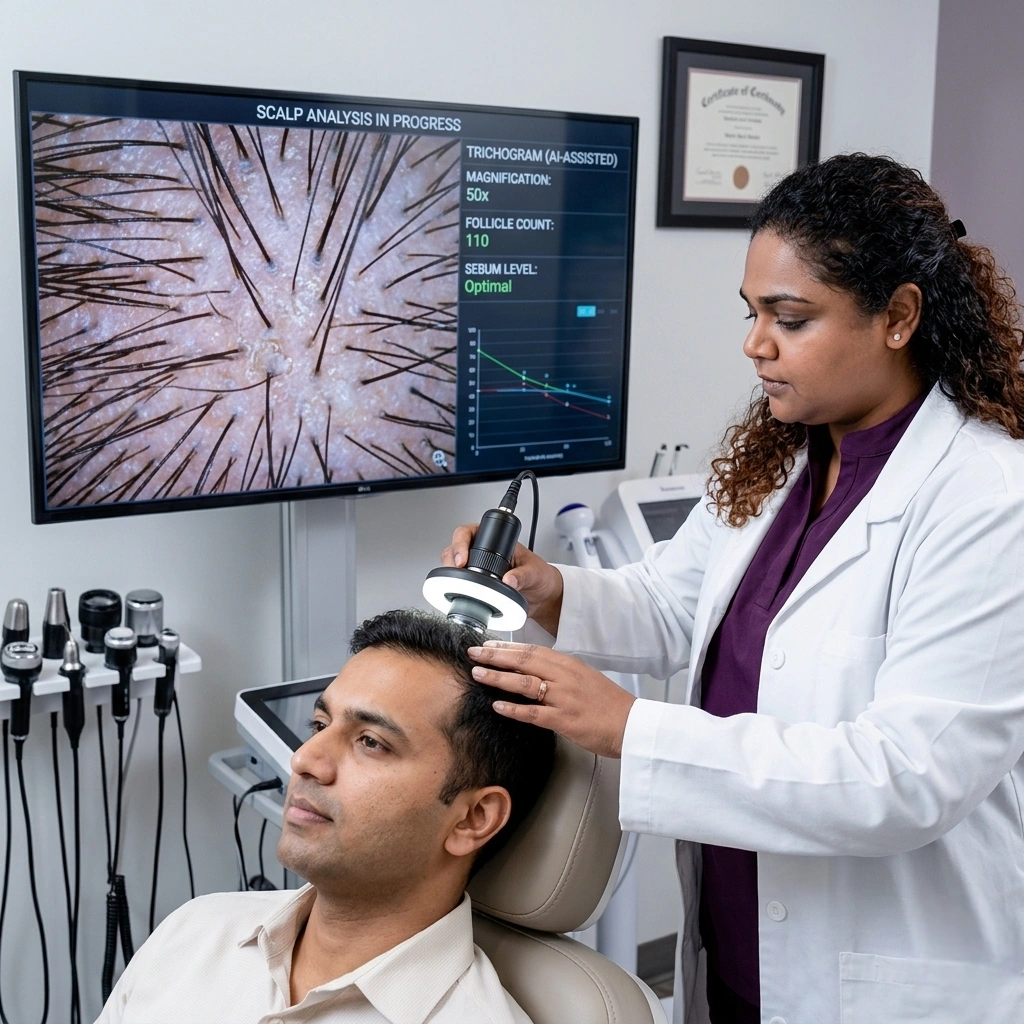
Trichoscopic scalp analysis and blood work for baldness diagnosis at Cleaura Clinic Nagpur
01

Scalp Analysis & Blood Work

Dermatoscope examination to assess hairline, follicle density and Norwood/Ludwig grade, paired with a targeted blood panel to rule out treatable causes.

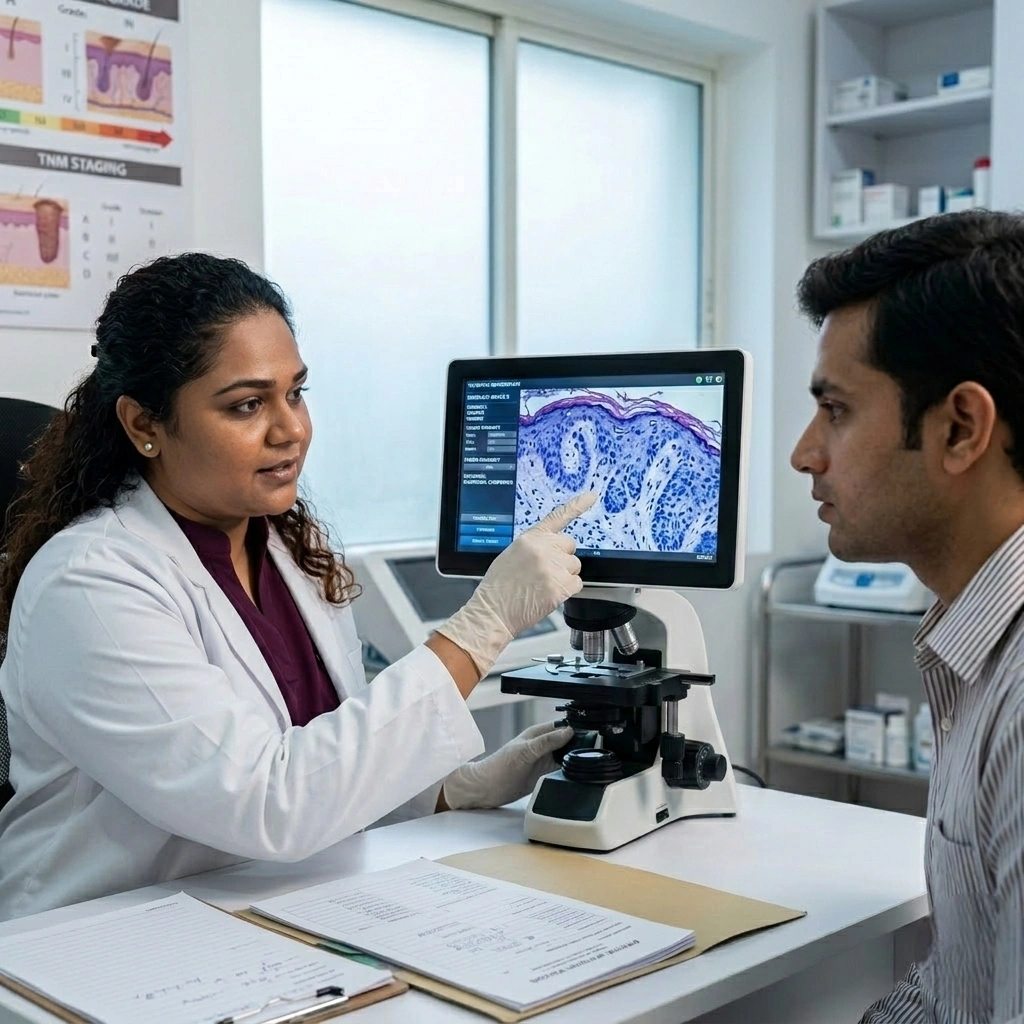
Norwood grade diagnosis and baldness confirmation at Cleaura Clinic Nagpur
02

Diagnosis & Grade Confirmation

Dr. Shruti confirms your exact baldness type, stage and cause - explaining what to expect with and without treatment.

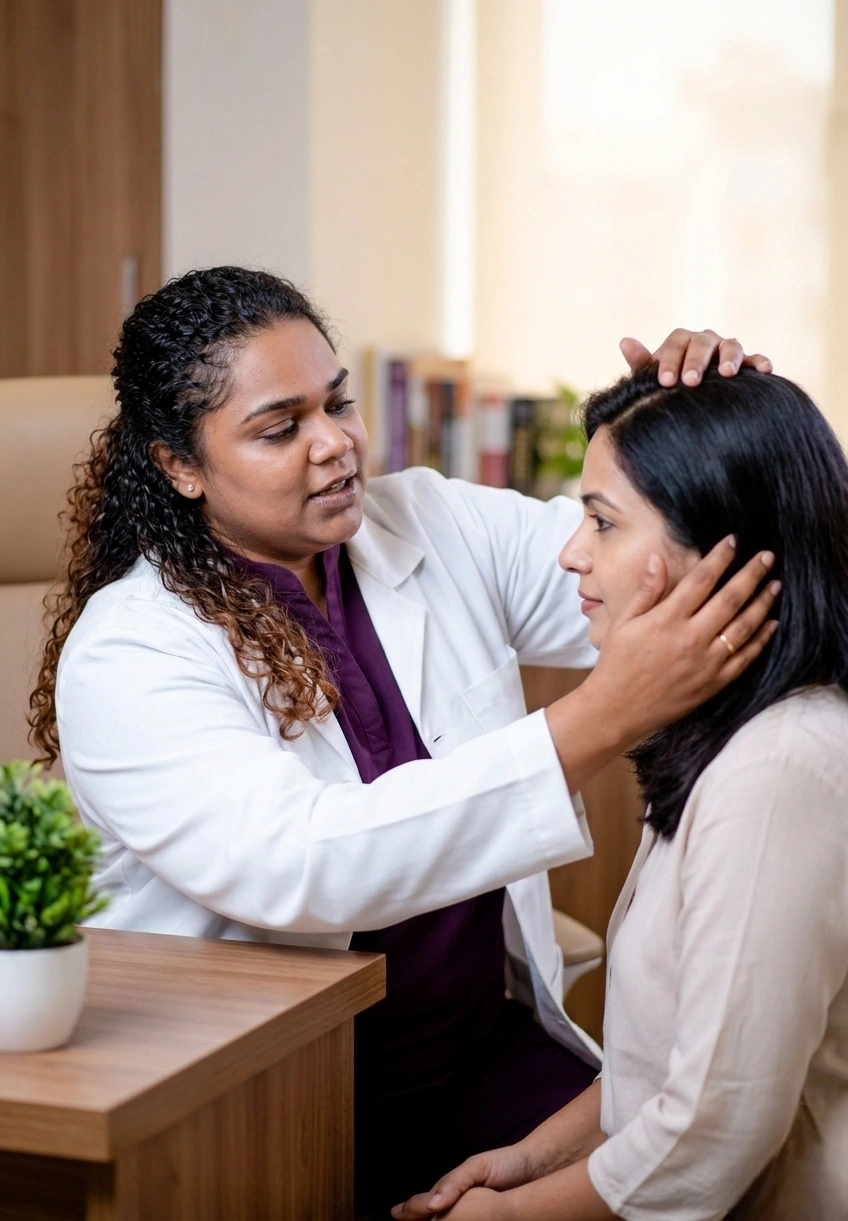
Personalised baldness treatment plan consultation at Cleaura Clinic Nagpur
03

Personalised Treatment Plan

A customised plan built around your grade, goals and budget - with full clarity on timelines, outcomes and costs before anything begins.

Baldness treatment follow-up and progress monitoring at Cleaura Clinic Nagpur
04

Treatment, Follow-Up & Monitoring

In-clinic sessions scheduled at Cleaura Clinic, with follow-up trichoscopy and scalp photography to track progress and adjust the plan as needed.

Home vs Clinic - Honest Comparison

Why Over-the-Counter Treatments Are Not Enough

Most patients with baldness try multiple chemist shampoos, oil treatments and online products before seeking professional help - and lose precious months that could have slowed their hair loss significantly.

What Matters OTC Products Cleaura Clinic (Dr. Shruti)
Root Cause Diagnosis No Yes — trichoscopy + blood test
DHT Blockade Partial or none Targeted medical therapy
Follicle Stimulation Minimal Clinical PRP, GFC, Mesotherapy
Surgical Restoration Not possible FUE Hair Transplant
Norwood Grade Assessment No Yes — determines treatment plan
Hard Water Scalp Detox Not addressed Included where needed
Recurrence Prevention Not addressed Long-term maintenance plan
Time to Visible Results Months with minimal results 3–6 months with significant improvement

Why Choose Cleaura Clinic for Baldness Treatment in Nagpur?

Led by Dr. Shruti Gunashekhar - Singapore-Trained Hair Transplant Surgeon and Canadian Board-Certified Aesthetic Physician.

Accurate Norwood/Ludwig grading before any treatment - no guesswork

Treats underlying causes - DHT, hormones, nutrition and scalp health - not just symptoms

Full range: from early-stage medical therapy to advanced FUE hair transplant surgery

Personalised treatment plan - designed for your grade, goals and budget

FDA-approved, clinically proven protocols for androgenetic alopecia

Combined baldness and hair fall treatment when both conditions are present

Transparent consultation - Dr. Shruti explains every step, every cost, every expectation before starting

Serving patients from across Nagpur - Somalwada, Karve Nagar, Dhantoli, Dharampeth, Ramdaspeth, Wardha Road, Civil Lines and Sitabuldi

Dr. Shruti Gunashekhar — Singapore-trained hair transplant surgeon and baldness specialist at Cleaura Clinic Nagpur
Common Questions

Frequently Asked Questions

Have more questions? Dr. Shruti Gunashekhar's team is available for a personalised consultation to address your specific concerns.

Q1. What is the best treatment for baldness in Nagpur?

+

The best baldness treatment in Nagpur depends on your Norwood grade - PRP and GFC work best for early-stage baldness (Grade 2–4), while FUE hair transplant is recommended for advanced baldness (Grade 4–7). At Cleaura Clinic, Dr. Shruti Gunashekhar assesses your exact grade before recommending any treatment - ensuring you receive the right solution for your specific stage, not a generic prescription.

Q2. Can baldness be reversed without surgery?

+

Yes, baldness can be slowed and partially reversed without surgery if treatment begins early. Non-surgical treatments like PRP, GFC and mesotherapy stimulate dormant follicles and slow DHT-driven miniaturisation in Norwood Grade 2–4. However, once follicles are completely miniaturised, only FUE hair transplant can restore hair permanently. The earlier treatment begins, the more follicles can be saved.

Q3. How do I know which stage of baldness I have?

+

You can identify your baldness stage through a trichoscopic examination - a dermatoscope assessment performed by a hair specialist that accurately maps your Norwood grade (1–7 for men) or Ludwig grade (1–3 for women). Dr. Shruti performs this 15–20 minute examination at Cleaura Clinic, Nagpur before recommending any treatment. Self-assessment using Norwood Scale images online gives a rough indication but is not a substitute for clinical grading.

Q4. What causes baldness in men at a young age?

+

Baldness in young men is most commonly caused by androgenetic alopecia - a genetic sensitivity to the hormone DHT (dihydrotestosterone) inherited from either or both parents. If your father or maternal grandfather experienced early baldness, your risk is significantly higher. Nutritional deficiencies (iron, Vitamin D, B12), chronic stress and scalp inflammation accelerate the process. Early consultation at Cleaura Clinic can determine whether your hair loss is genetic or triggered by a correctable cause.

Q5. What is the cost of baldness treatment in Nagpur?

+

Baldness treatment costs in Nagpur depend on the type of treatment required. Non-surgical sessions like PRP and GFC are priced per session, while FUE hair transplant cost is calculated by the number of grafts needed - which is determined by your Norwood grade. Dr. Shruti provides a fully transparent cost estimate during your free initial consultation at Cleaura Clinic, Nagpur, with no hidden charges.

Q6. Is FUE hair transplant permanent?

+

Yes, FUE hair transplant gives permanent results. Follicles are taken from a DHT-resistant donor zone at the back and sides of the scalp and transplanted into bald areas. These follicles retain their genetic resistance to DHT even in their new location - meaning the transplanted hair grows for life. Dr. Shruti at Cleaura Clinic performs precision FUE with natural hairline design for results that look and feel exactly like your own hair.

Q7. Can women get baldness treatment?

+

Yes, women can and should get baldness treatment. Female pattern hair loss - graded on the Ludwig Scale - typically shows as diffuse thinning on the crown rather than a receding hairline. Effective treatments include PRP, GFC, mesotherapy and, in suitable cases, hair transplant. Hormonal causes such as PCOS and thyroid disorders must be assessed and corrected first. Dr. Shruti at Cleaura Clinic provides complete assessment and treatment for female baldness in Nagpur.

Q8. Is baldness treatment covered under insurance?

+

Medical treatments for androgenetic alopecia may be covered under some health insurance policies in India when classified as a medical condition - but cosmetic procedures like PRP, GFC and FUE hair transplant are typically excluded. We recommend confirming with your insurance provider before your consultation. Cleaura Clinic provides all necessary documentation to support eligible insurance claims.

Q9. At what age should I start baldness treatment?

+

You should start baldness treatment as soon as you notice a receding hairline or thinning crown - there is no minimum age. Baldness is a progressive condition - every month without treatment results in more irreversible follicle miniaturisation. Treatment started at Norwood Grade 2 or 3 produces dramatically better outcomes than treatment started at Grade 5 or 6. If you are in your early 20s and noticing changes, seeing a baldness specialist in Nagpur now is always the right decision.

Q10. Does stress cause baldness?

+

Stress does not directly cause androgenetic alopecia but it significantly accelerates it. Chronic stress triggers telogen effluvium - sudden diffuse hair shedding - as a separate condition, and also raises DHT levels, worsening genetic baldness in those predisposed to it. If your hair loss appears connected to periods of high stress, Dr. Shruti will assess whether you have combined androgenetic alopecia and telogen effluvium - both of which require different components in your treatment plan.

Q11. I have been using minoxidil for months - why is it not working?

+

Minoxidil may not be working because it primarily increases scalp blood flow and does very little to block DHT - the actual hormonal driver of androgenetic alopecia. If your baldness is DHT-mediated, minoxidil alone is insufficient. It can also trigger a temporary shedding phase in the first 4–8 weeks, which discourages many patients before results appear. If you have used minoxidil consistently for 4–6 months without visible improvement, a clinical assessment at Cleaura Clinic is recommended to review your grade and escalate to a more targeted treatment plan.

Q12. Does hard water in Nagpur make baldness worse?

+

Yes, Nagpur's hard water significantly worsens baldness. The city's water supply has high TDS - calcium and magnesium deposits build up on the scalp, clogging follicles, disrupting the scalp's natural pH and slowing hair regrowth during treatment. Hard water does not cause androgenetic alopecia, but it makes it harder to treat and control. Patients at Cleaura Clinic in Nagpur routinely receive a scalp detox protocol to remove hard water mineral deposits alongside their core baldness treatment.

Q13. My father went completely bald by 35 - will I definitely go bald too?

+

Not necessarily - family history is a strong predictor of baldness but not a certainty. Androgenetic alopecia is influenced by multiple genes from both sides of your family, so your risk depends on your full genetic profile, not just your father's history. However, if both your father and maternal grandfather experienced significant early baldness, your lifetime risk is substantially elevated. Starting DHT-blocking therapy and scalp health optimisation early - even before visible hair loss - can substantially delay progression. See Dr. Shruti at Cleaura Clinic as early as possible to assess your individual risk.

Q14. Which doctor should I see for baldness in Nagpur?

+

For baldness treatment in Nagpur, you should consult a dermatologist or a qualified hair transplant surgeon who specialises in trichology and androgenetic alopecia. Dr. Shruti Gunashekhar at Cleaura Clinic, Nagpur, is a Singapore-trained hair transplant surgeon and Canadian Board-Certified Aesthetic Physician with specialist expertise in diagnosing and treating all stages of male and female pattern baldness.

Q15. How long does baldness treatment take to show results in Nagpur?

+

Results from non-surgical baldness treatment - PRP, GFC or mesotherapy - typically begin showing after 3 to 4 sessions, with visible improvement in hair density and reduced shedding by 3 to 6 months. FUE hair transplant shows new hair growth at 3 to 4 months post-procedure, with full density reached at 12 months. Individual results depend on your Norwood grade, age and how early treatment was started. Dr. Shruti gives a realistic, personalised timeline during your consultation at Cleaura Clinic.

Q16. Can baldness grow back naturally?

+

Baldness caused by androgenetic alopecia does not grow back naturally because the hair follicles miniaturise progressively due to DHT - they do not self-recover. However, in cases of temporary hair loss - telogen effluvium from stress or nutritional deficiency - hair can regrow once the trigger is removed and deficiencies are corrected. A clinical diagnosis at Cleaura Clinic will determine whether your hair loss is permanent or reversible, and which treatment approach is appropriate.

Q17. What is the difference between hair loss and baldness?

+

Hair loss refers to increased shedding - more hairs falling out than usual - which can be temporary and often reversible. Baldness refers to the permanent thinning and absence of hair in specific areas due to follicle miniaturisation from androgenetic alopecia. Hair loss is often the first sign that baldness is beginning. Both conditions can occur simultaneously and both require a clinical assessment to identify the correct treatment.

Q18. Is baldness treatment painful?

+

Non-surgical baldness treatments like PRP, GFC and mesotherapy involve microinjections into the scalp. A topical numbing cream is applied before treatment, and most patients describe the sensation as mild pressure rather than pain. FUE hair transplant is performed under local anaesthesia - the scalp is completely numb during the procedure and discomfort is minimal. Most patients at Cleaura Clinic resume normal activity the following day after non-surgical sessions.

Book Your Baldness Treatment Consultation in Nagpur

Stop watching your hairline move back. Get the right diagnosis and the right treatment - before more follicles are lost permanently.

Cleaura Clinic treatment gallery – patient care in Nagpur
CMF surgery and aesthetic treatment results at Cleaura Clinic Nagpur
Skin and hair treatment outcomes at Cleaura Clinic Nagpur
Patient transformation at Cleaura Clinic – CMF and aesthetic care
Before and after care at Cleaura Clinic Nagpur
Advanced facial treatment at Cleaura Clinic Nagpur
Dr. Shruti Gunashekhar's clinic and patient care gallery
Cleaura Clinic Nagpur – facial surgery and wellness gallery
Call Now WhatsApp Book Appointment