Hair Transplant Treatment in Nagpur: Cost, Procedure & Recovery Explained
Losing hair isn't just about losing strands, it's often about losing confidence too. Whether it's a receding hairline staring back at you in the mirror or thinning patches you keep trying to hide, hair fall can quietly chip away at how you feel about yourself. The good news is that you don't have to just live with it. Hair transplant treatment in Nagpur has become a reliable, permanent solution for men and women dealing with hair loss, and more people in the city are choosing it every year.
But before booking a consultation, it's natural to have questions. How much does it actually cost? What does the procedure involve? And how long before you see real results? This blog breaks down everything, cost, procedure, and recovery, in simple terms, so you can make an informed decision. At Cleaura, a trusted name for hair fall treatment in Nagpur, we believe informed patients make the best decisions, and that starts with honest, clear information.
Why Does Hair Fall Happen?
Before jumping into treatment, it helps to understand what's actually causing your hair loss, because the reason often shapes the right solution. Hair fall isn't caused by just one thing; it's usually a mix of factors working together.
- Genetics (Male & Female Pattern Baldness): The most common cause, especially in men, is hereditary hair loss. If your father or grandfather experienced early balding, there's a good chance the pattern could repeat, since this type of hair loss is driven by genetics and sensitivity to the hormone DHT.
- Hormonal Changes: Fluctuations in hormones, whether due to thyroid issues, PCOS, pregnancy, or menopause, can disrupt the natural hair growth cycle and lead to noticeable thinning.
- Stress and Lifestyle Factors: High stress levels, poor sleep, and an unhealthy lifestyle can push hair follicles into a resting phase prematurely, leading to increased shedding.
- Nutritional Deficiencies: A diet lacking in essential nutrients like iron, protein, zinc, and vitamin D can weaken hair follicles, making hair thinner and more prone to falling out.
- Environmental & Pollution Factors: Living in cities with higher pollution levels, along with exposure to hard water and harsh styling products, can gradually damage the scalp and hair shaft over time.
- Medical Conditions & Medications: Certain medical conditions and treatments, such as chemotherapy or specific medications, can also trigger temporary or long-term hair loss.
Understanding the root cause of your hair fall isn't just useful information, it directly influences whether a hair transplant treatment in Nagpur is the right next step for you, or whether other treatments should be tried first. This is exactly why a proper scalp consultation matters before starting any procedure.
Can Hair Transplant Be Avoided With Timely Treatment?
Not every case of hair fall needs to end in a transplant. In fact, catching the problem early can make a significant difference. When hair fall is treated at the right stage, that is, as soon as you notice excessive shedding, thinning patches, or a widening parting, Cleaura offers several non-surgical, doctor-supervised treatments that can help slow down or even reverse early-stage hair loss.
- PRP Hair Therapy: Platelet-Rich Plasma therapy uses growth factors from your own blood to stimulate dormant hair follicles and improve density, making it one of the most effective options for early-stage thinning.
- GFC Hair Treatment: Growth Factor Concentrate therapy is an advanced, next-generation alternative to PRP that helps strengthen weak follicles and encourages healthier regrowth, often recommended for patients looking for a more concentrated regenerative approach.
- Mesotherapy for Hair: This treatment involves micro-injections of vitamins, minerals, and nourishing actives directly into the scalp, helping improve blood circulation and follicle health from within.
- Condition-Specific Treatments: Cleaura also offers targeted care depending on the underlying cause, including dandruff treatment, female pattern hair loss treatment, alopecia areata treatment, and baldness treatment, each designed around what's actually driving your hair fall rather than a one-size-fits-all approach.
- Scalp Micropigmentation: For patients with thinning or patchy areas who aren't ready for surgery, this non-invasive treatment creates the appearance of denser hair through fine pigment deposits.
At Cleaura, Dr. Shruti Gunashekhar personally evaluates your scalp condition to determine whether you're still in the "preventable" stage or whether a hair transplant treatment in Nagpur would give you better, more lasting results. This is exactly why an early consultation matters, timely intervention with the right treatment can often delay or even eliminate the need for surgery altogether.
What Is a Hair Transplant?
A hair transplant is a surgical procedure where healthy hair follicles are taken from a donor area of the scalp (usually the back or sides, where hair is genetically resistant to balding) and carefully implanted into thinning or bald areas. Unlike medications, oils, or hair systems that offer temporary or maintenance-based results, a transplant gives you a permanent hair loss solution. Once the transplanted follicles take root, they continue to grow naturally for a lifetime, just like your original hair.
Types of Hair Transplant Procedures Available in Nagpur
Not all hair transplants are the same. Depending on your hair loss pattern, scalp condition, and goals, your doctor may recommend one of two main techniques.
1. FUE (Follicular Unit Extraction)
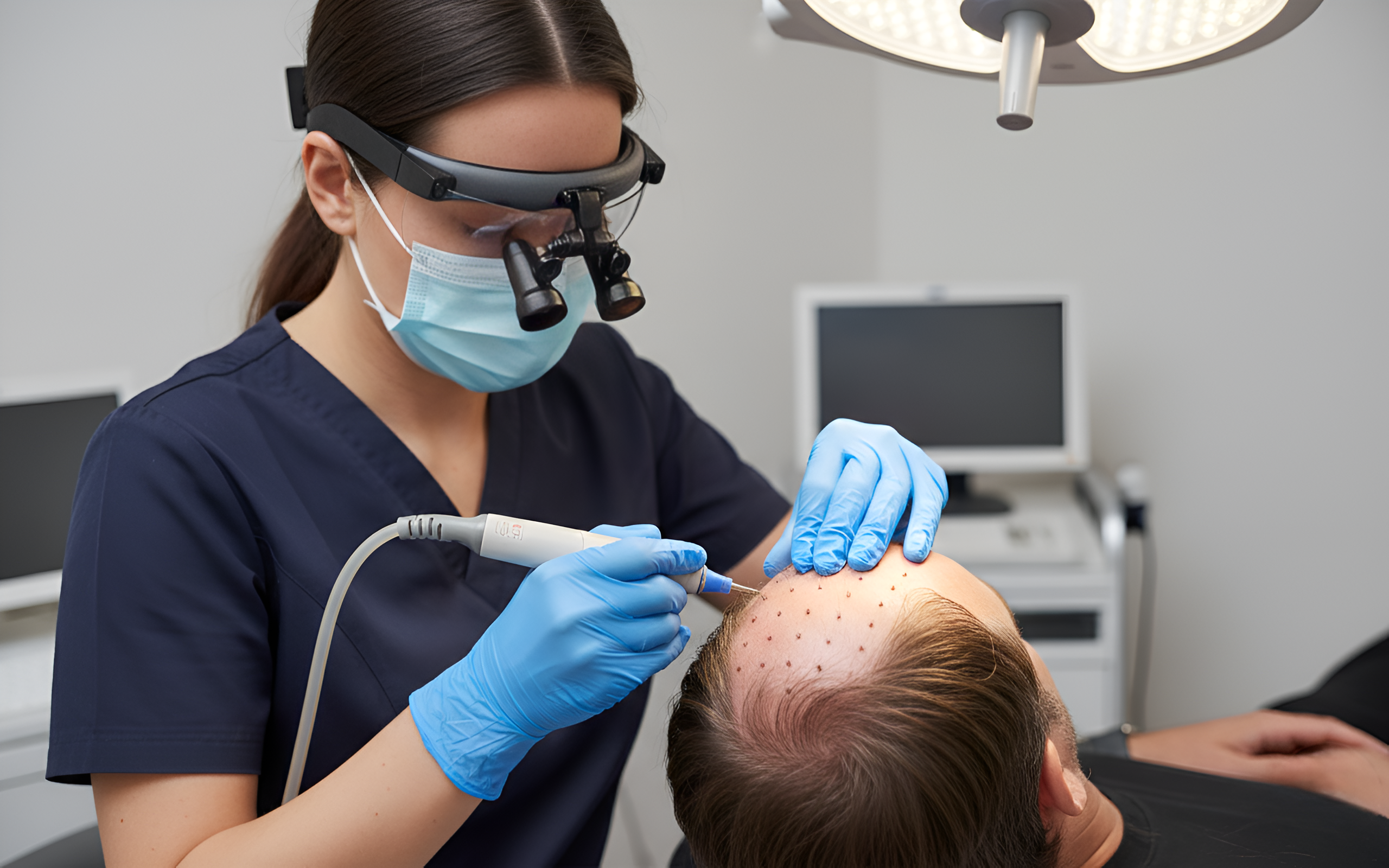
FUE hair transplant in Nagpur is currently the most popular technique, and for good reason. In this method, individual hair follicles are extracted one at a time using a fine punch tool and then implanted into the recipient area. It's minimally invasive, leaves no linear scar, and has a comparatively quicker recovery time, making it a preferred choice for people who want a natural look with minimal downtime.
2. FUT (Follicular Unit Transplantation)
FUT hair transplant in Nagpur involves removing a thin strip of scalp from the donor area, which is then divided into individual grafts under a microscope before implantation. While this technique can yield a higher number of grafts in a single session, it does leave a linear scar and typically requires a slightly longer healing period.
Which One Is Right for You?
The choice between FUE and FUT depends on factors like the extent of your hair loss, scalp elasticity, lifestyle, and personal preference around scarring and downtime. During your consultation, your surgeon will assess your scalp and recommend the technique best suited to your specific needs, there's no one-size-fits-all answer here.
Hair Transplant Treatment in Nagpur: Step-by-Step Procedure
Understanding the procedure step by step can ease a lot of the anxiety first-time patients feel.
1. Initial Consultation & Scalp Assessment
Every successful transplant begins with a thorough consultation. The surgeon examines your scalp, evaluates hair density in the donor area, discusses your medical history, and understands your expectations. This is also when the hair transplant procedure plan and estimated graft count are finalised.
2. Pre-Procedure Preparation
A few days before the procedure, you'll be given simple guidelines, things like avoiding blood thinners, alcohol, and smoking, and keeping the scalp clean. This preparation helps ensure smoother extraction and better graft survival.
3. The Transplant Day (Extraction & Implantation Process)
On the day of the procedure, local anaesthesia is administered to keep you comfortable throughout. Follicles are then extracted from the donor area and implanted into the balding or thinning zones, following a hairline design that looks natural and suits your facial structure.
4. Duration of the Procedure
Depending on the number of grafts required, a session can take anywhere between 4 to 8 hours. Larger sessions may be split across two days for patient comfort and optimal results.
Hair Transplant Cost in Nagpur
This is usually the first question on everyone's mind, and rightly so.
Average Cost Range
Hair transplant cost in Nagpur typically depends on the number of grafts needed and is usually calculated on a per-graft basis or as a package. While exact pricing varies from clinic to clinic, it generally falls in a moderate range compared to metro cities, making Nagpur an increasingly popular destination for quality hair restoration without the premium price tag of larger cities. For an accurate quote, it's always best to get a personalised assessment, since pricing depends heavily on individual hair loss severity.
Factors That Affect the Cost
Several factors influence the final hair transplant surgery cost, including the number of grafts required, the technique used (FUE vs FUT), the expertise of the surgical team, the technology used in the clinic, and the geographic area of hair loss being treated.
Why Cost Shouldn't Be the Only Deciding Factor
It's tempting to chase the lowest quote, but hair transplants are a one-time investment in a permanent result. Choosing a clinic based purely on price can lead to poorly designed hairlines, low graft survival rates, or complications down the line. Prioritising a best hair transplant clinic in Nagpur with experienced surgeons, hygienic facilities, and transparent processes will always serve you better in the long run.
Recovery Timeline After Hair Transplant Treatment
Recovery is a gradual process, and knowing what to expect at each stage helps you stay calm and patient.
Day 1–3: Immediate Post-Op Care
Mild redness, swelling, and tenderness in both the donor and recipient areas are completely normal in the first few days. Your clinic will provide specific aftercare instructions, including how to sleep and when you can gently wash your scalp.
Week 1–2: Healing and Scab Shedding
Small scabs form around the transplanted follicles and typically shed naturally within 7 to 14 days. It's important not to pick at them, as this can disturb the healing follicles.
Month 1–3: Shedding Phase
Here's something that catches many first-time patients off guard: the transplanted hair often sheds around this stage. This is completely normal and is known as "shock loss." The follicles themselves remain intact beneath the skin and are simply resetting before regrowth begins.
Month 4–12: New Hair Growth Begins
Around the fourth month, new hair growth starts to become visible. It continues to thicken and mature steadily over the following months.
Final Results Timeline
Most patients see their final, full results between 9 to 12 months post-procedure, when the transplanted hair has grown to its natural thickness, texture, and density.
Tips for Faster & Safer Recovery
A smooth recovery isn't just about the surgery, it's also about how well you care for your scalp afterward.
Do's
- Sleep with your head slightly elevated for the first few nights
- Follow the prescribed medication and washing schedule strictly
- Wear a loose cap if advised, avoiding direct pressure on the scalp
- Stay hydrated and eat a protein-rich diet to support healing
Don'ts
- Avoid strenuous exercise or heavy lifting for at least 2 weeks
- Don't expose your scalp to direct sunlight without protection
- Avoid swimming pools, saunas, and steam rooms until cleared by your doctor
- Don't scratch or pick at scabs, no matter how tempting
Why Choose Cleaura for Hair Transplant Treatment in Nagpur?
At Cleaura, every hair transplant treatment in Nagpur is handled by a team of experienced surgeons using advanced, precision-driven techniques. We focus on natural-looking hairlines, personalised treatment plans, and honest consultations, because a hair transplant isn't just a procedure, it's a decision that deserves complete transparency and care. Our patients' before-and-after results speak to the quality and consistency we bring to every case we take on.
If you're ready to explore your options, book your consultation with our team and get a personalised assessment for your hair restoration journey.
Conclusion
Choosing to get a hair transplant is a big decision, and understanding the cost, procedure, and recovery process is the first step toward making it a confident one. From selecting the right technique to knowing what your scalp will go through in the months ahead, being informed removes a lot of the fear that comes with the unknown. Hair transplant treatment in Nagpur has come a long way, offering safe, effective, and natural-looking results without the need to travel to a metro city.
Ready to start your hair restoration journey? Contact Cleaura today for expert, no-obligation consultation.