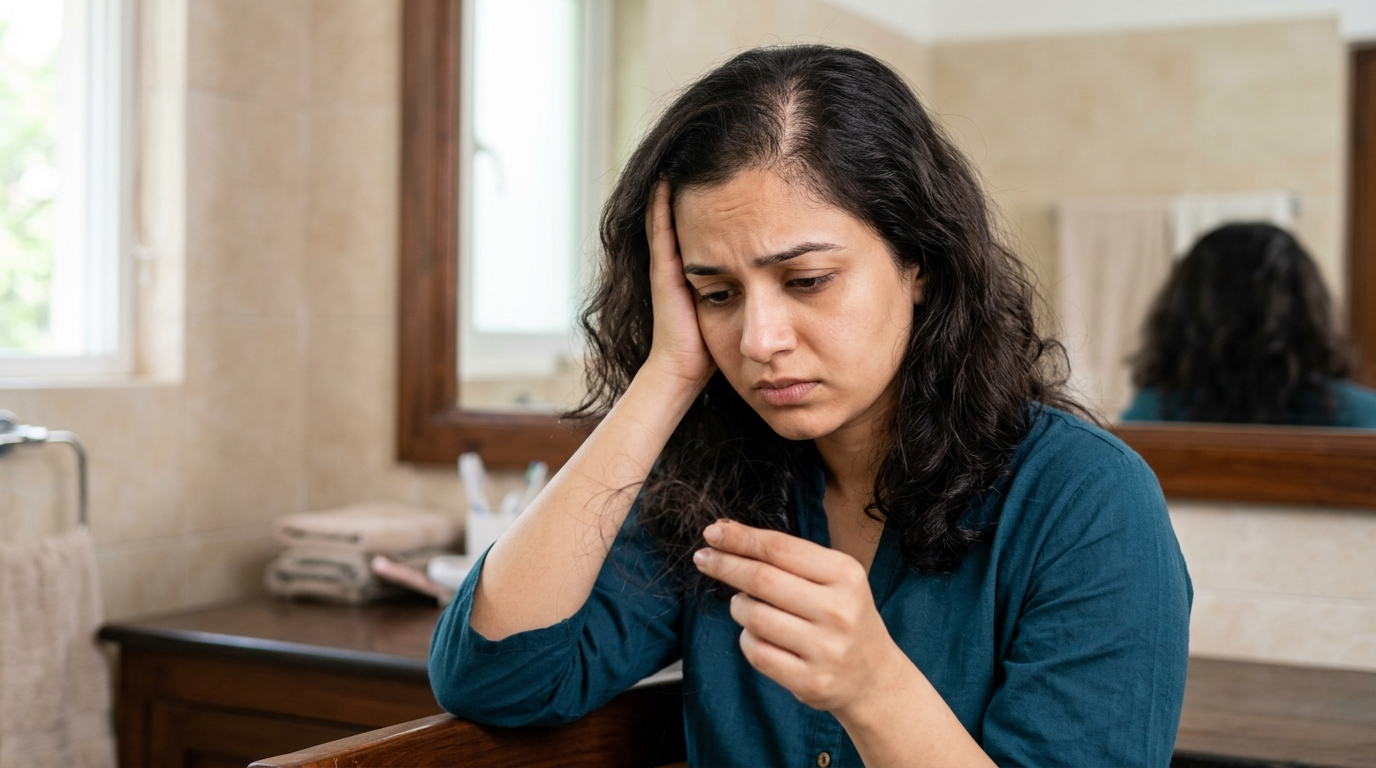
Waking up to more hair on your pillow, in the shower drain, or on your hairbrush can be unsettling. While some amount of daily hair shedding is completely normal, a sudden increase in hair fall often points to something deeper - hormones. If you have been searching for hormonal hair fall treatment in Nagpur, you are not alone - this is one of the most common concerns patients bring to us.
Hormonal hair fall doesn't just affect one gender; it impacts men and women differently, and treating it the right way starts with understanding what's actually going on inside the body, not just on the scalp.
At Cleaura Clinic in Nagpur, Dr. Shruti Gunashekhar, a Singapore-trained hair transplant surgeon and Canadian board-certified aesthetic physician, helps patients get to the root cause of their hair fall and offers treatment plans built around their unique hormonal profile, not a one-size-fits-all approach.
Hormonal hair fall happens when an imbalance in hormones like DHT (dihydrotestosterone), thyroid hormones, cortisol, estrogen, or progesterone disrupts the natural hair growth cycle. Instead of growing, resting, and shedding in a healthy rhythm, hair follicles shrink over time — a process called miniaturization — leading to thinner strands, slower regrowth, and eventually, visible bald patches or widening partings.
This is different from the temporary hair fall caused by stress, weather changes, or nutritional gaps, which usually resolves on its own. Hormonal hair fall tends to be progressive, meaning it gets worse without proper intervention.
For men, the most common trigger is androgenetic alopecia, often simply called male pattern baldness. This condition is driven largely by DHT, a byproduct of testosterone that gradually shrinks hair follicles, usually starting at the temples or crown.
Other contributing factors include:
Because male pattern baldness follows a fairly predictable pattern, early diagnosis makes a significant difference in treatment outcomes.
Women experience hormonal hair fall through a different set of triggers, and it's often more complex to diagnose because multiple hormones can be involved at once.
Key causes include:
Unlike men, women rarely go completely bald, but diffuse thinning can still significantly affect confidence and scalp visibility.
It's not always obvious that hormones are behind your hair fall. Some signs to watch for include:
If you're noticing a combination of these signs, it's worth getting a proper evaluation rather than relying on over-the-counter shampoos or home remedies.
Generic hair fall solutions - serums, biotin supplements, or scalp massages - can help with general hair health, but they don't address an underlying hormonal cause. If DHT, thyroid levels, or other hormones are driving the hair loss, these products will only offer temporary or minimal improvement.
A proper diagnosis usually involves a detailed scalp examination and, where needed, hormone-related blood tests to identify exactly what's contributing to the hair fall. This is what separates a real treatment plan from a temporary fix.
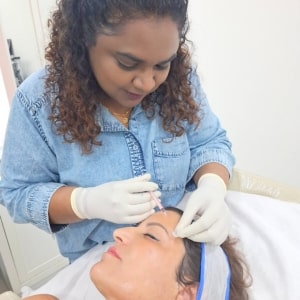
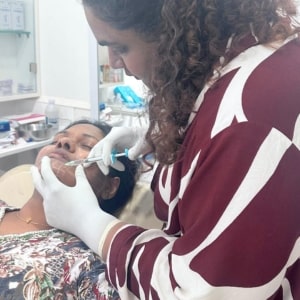
At Cleaura Clinic, Dr. Shruti designs treatment plans based on each patient's specific hormonal and scalp condition rather than applying a standard protocol to everyone. Some of the most effective treatments offered include:
Hair fall treatment costs vary depending on the severity of hair fall, the hormonal factors involved, and the number of sessions required. During your consultation at Cleaura Clinic, Dr. Shruti will assess your scalp and hormonal profile and provide a personalised quote.
What sets Cleaura Clinic apart isn't just the range of treatments - it's the expertise behind them. Dr. Shruti Gunashekhar brings together:
Patients from across Nagpur and nearby areas visit Cleaura Clinic for a diagnostic-first approach that treats the cause of hair fall, not just the symptoms.
Hormonal hair fall can feel discouraging, especially when it seems to progress despite trying everything available at the local pharmacy. But the good news is that with the right diagnosis and a treatment plan tailored to your specific hormonal triggers, hair fall can be slowed, and in many cases, reversed.
If you're experiencing unexplained hair thinning or hair fall in Nagpur, don't wait for it to get worse. Book a consultation with Dr. Shruti at Cleaura Clinic and take the first step toward understanding what your hair is really trying to tell you.